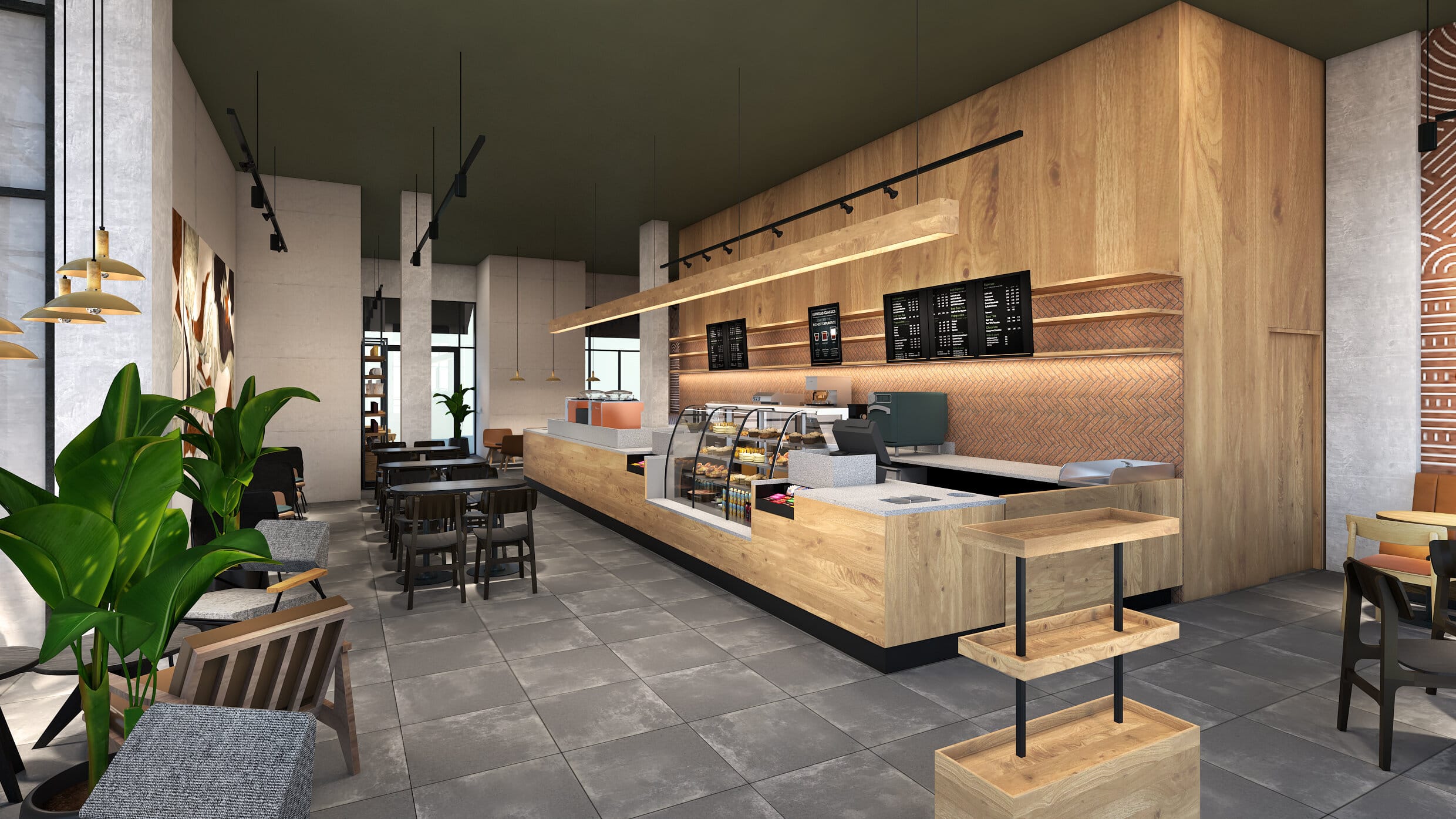
In a recent announcement, Starbucks has decided to reverse its open door policy, a move that is set to reshape the customer experience within its stores. The open door policy, which allowed individuals to use Starbucks locations as informal meeting spaces or work environments without the obligation of making a purchase, has been a hallmark of the brand’s community-oriented approach. However, the company has cited various operational challenges and a desire to enhance the overall customer experience as the primary reasons for this policy change.
The open door policy has long been a double-edged sword for Starbucks. On one hand, it has fostered a welcoming atmosphere that encourages social interaction and community engagement. Many customers have appreciated the ability to gather, work, or study in a comfortable environment, often leading to longer stays and increased foot traffic. On the other hand, the policy has also led to challenges, including overcrowding, increased strain on resources, and a decline in the overall customer experience for those who are looking to enjoy a quick coffee or a quiet moment.
As Starbucks navigates this transition, the company is emphasizing its commitment to providing a high-quality experience for all customers. The reversal of the open door policy is part of a broader strategy to streamline operations and ensure that patrons can enjoy their time in the café without feeling overwhelmed by the presence of individuals who may be using the space for extended periods without making purchases. This change is expected to encourage a more balanced environment where customers can enjoy their beverages and food in a more relaxed setting.
The decision to alter the open door policy has sparked discussions among customers and industry observers alike. Some patrons have expressed disappointment, feeling that the change undermines the community spirit that Starbucks has cultivated over the years. Others, however, have welcomed the move, believing it will lead to a more pleasant atmosphere for those who wish to enjoy their time in the café without the distractions of a crowded space.
Starbucks has indicated that it will implement the new policy gradually, allowing customers to adjust to the changes. The company is also exploring ways to enhance the in-store experience, including the introduction of new seating arrangements and improved service options. By focusing on customer satisfaction, Starbucks aims to maintain its reputation as a leading coffeehouse chain while addressing the operational challenges that have arisen from the open door policy.
In addition to the policy change, Starbucks is also investing in technology to improve the customer experience. The company has been expanding its mobile ordering capabilities, allowing customers to place orders in advance and skip the line. This initiative is designed to streamline the ordering process and reduce wait times, further enhancing the overall experience for patrons.
As Starbucks moves forward with these changes, it remains to be seen how customers will respond. The company has a long history of adapting to consumer preferences and market trends, and it is likely that it will continue to evolve in response to feedback from its customer base. The reversal of the open door policy is just one of many steps the company is taking to ensure that it remains a relevant and appealing destination for coffee lovers.
In conclusion, Starbucks’ decision to reverse its open door policy marks a significant shift in the way the company approaches customer engagement and store operations. While the change may be met with mixed reactions, it reflects a broader trend within the retail and hospitality industries to prioritize customer experience and operational efficiency. As Starbucks implements this new policy, it will be essential for the company to monitor customer feedback and adapt its strategies accordingly to maintain its position as a leader in the coffee market.