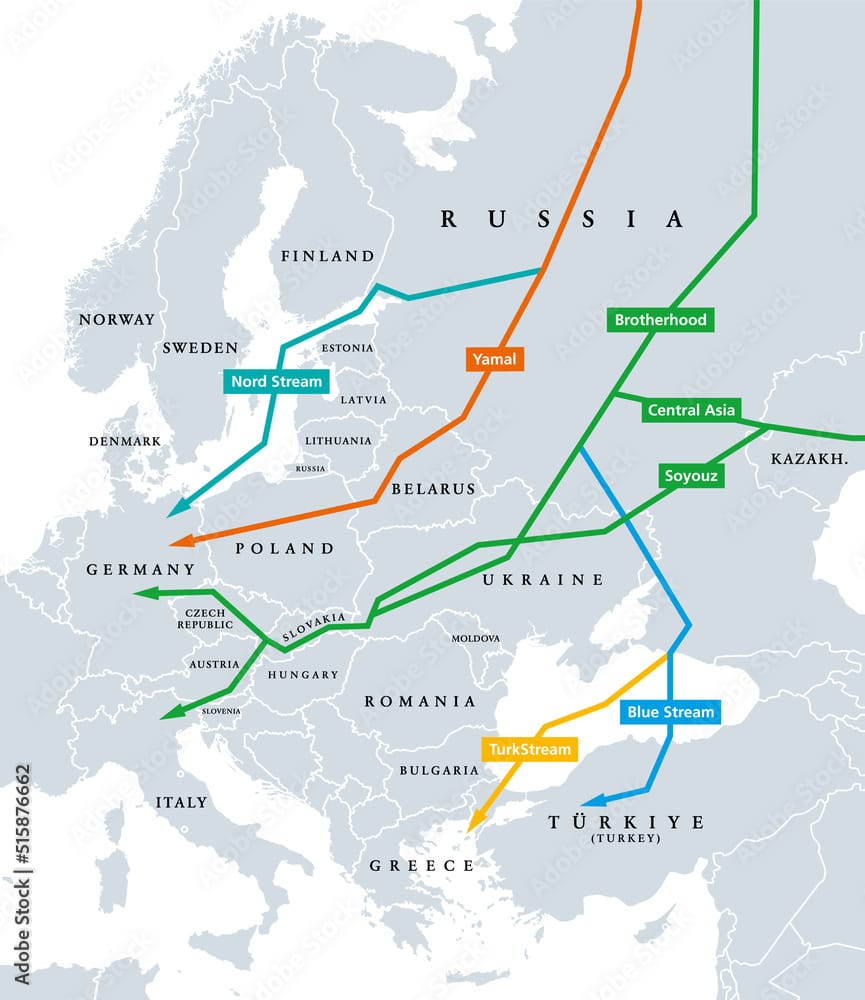
The recent halt of Russian natural gas supplies to Europe marks a significant turning point in the energy dynamics of the region. Following the expiration of a transit agreement between Russia and Ukraine, which facilitated the flow of gas to various European nations, the implications of this cessation are profound and multifaceted. As Europe navigates its energy landscape, the interruption poses challenges not only for energy security but also for geopolitical relations between Russia, Ukraine, and the European Union.
The transit agreement, which had been in place for several years, allowed for the transportation of Russian gas through Ukrainian pipelines to European countries. This arrangement was crucial for ensuring a steady supply of energy to nations heavily reliant on Russian gas, particularly during the winter months when demand peaks. However, with the expiration of the deal, Russian authorities have announced that they will no longer send gas through Ukraine, prompting immediate concerns among European leaders and energy companies.
The timing of this development is particularly critical, as Europe faces a complex energy landscape characterized by fluctuating demand, rising prices, and ongoing efforts to transition to renewable energy sources. The cessation of Russian gas supply is expected to exacerbate existing challenges, particularly in countries that lack sufficient alternative energy sources or infrastructure to accommodate a sudden shift in supply. This situation is further complicated by the ongoing geopolitical tensions stemming from the conflict between Russia and Ukraine, which have already strained relations between Russia and the West.
In response to the halted gas supply, European officials have expressed alarm and are exploring various strategies to mitigate the impact. Some countries are considering increasing imports of liquefied natural gas (LNG) from alternative suppliers, while others are looking to bolster domestic production and enhance energy efficiency measures. The European Union has also reiterated its commitment to diversifying energy sources and reducing reliance on Russian gas in the long term, a goal that has gained renewed urgency in light of recent developments.
Moreover, the halt in gas supply raises questions about the future of energy cooperation between Russia and Europe. The European market has historically been one of the largest consumers of Russian gas, and the cessation of supply could lead to long-term shifts in trade relationships. Analysts suggest that Russia may seek to redirect its gas exports to other markets, such as Asia, where demand is growing. However, such a pivot would require significant investments in infrastructure and logistics, which may take time to materialize.
The economic ramifications of this situation are also noteworthy. Both Russia and Ukraine stand to face financial repercussions as a result of the halted gas flow. For Ukraine, the transit fees generated from the transportation of gas through its pipelines have been a vital source of revenue. The loss of this income could exacerbate the country’s already challenging economic situation. On the other hand, Russia’s reliance on gas exports for revenue means that any prolonged disruption in supply could have significant implications for its economy, particularly as it grapples with international sanctions and reduced foreign investment.
As the situation unfolds, the international community is closely monitoring developments and their potential impact on global energy markets. The halt in gas supply serves as a reminder of the interconnectedness of energy security and geopolitical stability. The repercussions of this event will likely extend beyond Europe, influencing energy prices and supply chains worldwide.
In conclusion, the cessation of Russian gas supplies to Europe following the expiration of the Ukraine transit agreement represents a critical juncture in the region’s energy landscape. The immediate challenges posed by this development are significant, as European nations work to secure alternative sources of energy and navigate the complexities of a shifting geopolitical environment. As stakeholders on all sides assess the implications of this halt, the future of energy cooperation in Europe remains uncertain, underscoring the importance of strategic planning and diversification in energy sourcing.


