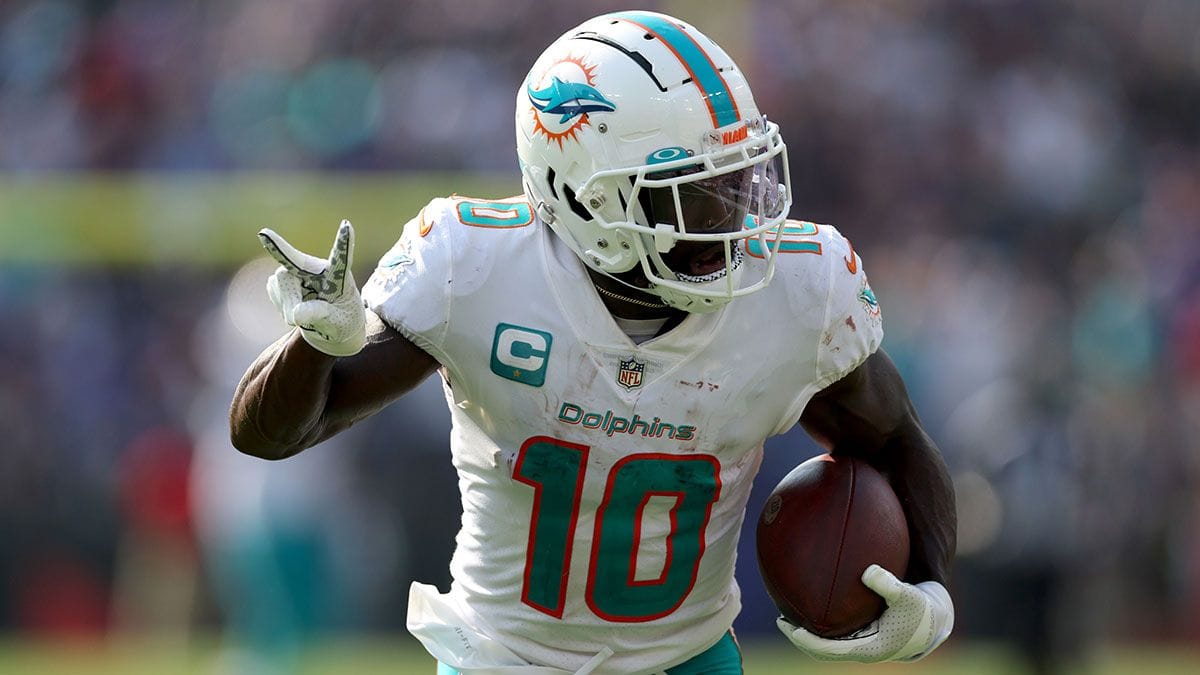
In a recent post-game press conference, Miami Dolphins head coach Mike McDaniel provided insights into the circumstances surrounding wide receiver Tyreek Hill’s exit from the field during the team’s latest game. McDaniel’s remarks have raised questions regarding player agency and the dynamics of decision-making on the field.
During the match, Hill, who has been a pivotal player for the Dolphins this season, was seen leaving the game earlier than expected. His absence was felt keenly by the team, as Hill’s speed and playmaking ability have been instrumental in the Dolphins’ offensive strategy. After the game, McDaniel indicated that Hill had made the decision to remove himself from play, a statement that has led to various interpretations among fans and analysts.
The context of Hill’s decision is essential to understanding the situation. Players often face physical and mental challenges during the course of a game. Injuries, fatigue, and strategic considerations can all influence a player’s choice to step back. In Hill’s case, the decision appears to have been made with the team’s best interest in mind. McDaniel emphasized the importance of player health and safety, highlighting that such decisions are not made lightly.
The implications of a player self-removing from a game can be significant. For one, it underscores the necessity for open communication between players and coaching staff. McDaniel’s acknowledgment of Hill’s autonomy suggests a supportive environment where players feel empowered to prioritize their well-being. This approach can foster trust and respect within the team, which is crucial for long-term success.
Moreover, the incident has sparked discussions about the broader culture within the NFL regarding player health. In recent years, there has been an increasing focus on the physical toll that professional football can take on athletes. The league has implemented various protocols to protect players, but the decision to remove oneself from play remains a personal choice. Hill’s situation may encourage other players to consider their health seriously and speak up when they feel unable to continue.
Additionally, McDaniel’s comments reflect a growing trend among coaches to prioritize player input. The traditional top-down approach in sports is gradually evolving into a more collaborative model. Coaches are recognizing that players possess valuable insights about their own bodies and performance levels. This shift could lead to more informed decisions regarding player management and game strategy.
As the Dolphins move forward in the season, the focus will undoubtedly be on Hill’s health and readiness for future games. His performance has been a key factor in the team’s offensive success, and his absence could have ramifications for their playoff aspirations. The coaching staff will need to monitor Hill closely, ensuring that he is physically and mentally prepared for the challenges ahead.
In conclusion, Mike McDaniel’s comments regarding Tyreek Hill’s self-removal from the recent game shed light on the complexities of player decision-making in the NFL. The incident raises critical questions about player health, communication, and the evolving culture within professional sports. As the Dolphins continue their campaign, the team will need to navigate these dynamics carefully, balancing the desire for victory with the imperative of player safety.

