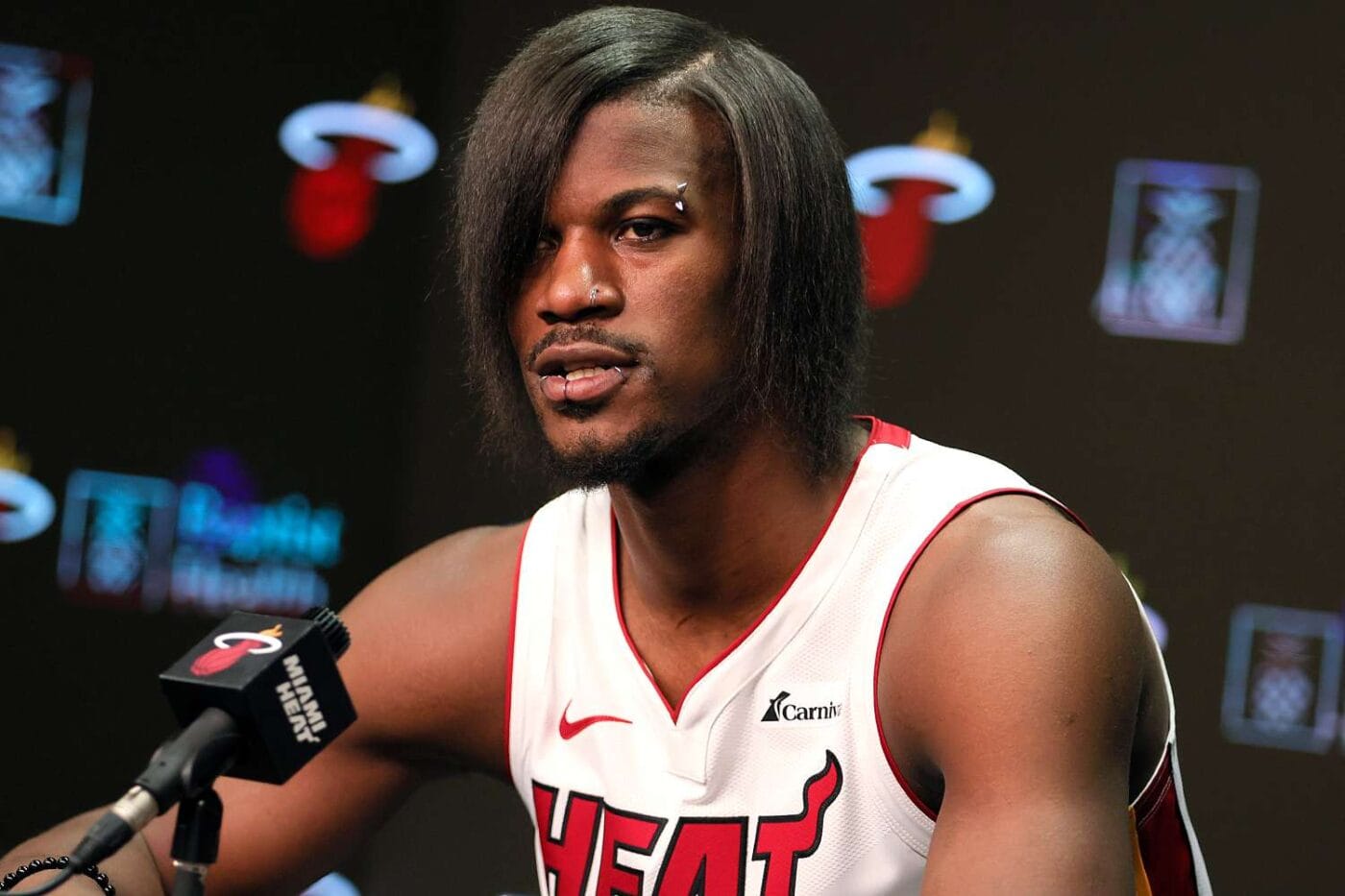
The Miami Heat have made headlines with their recent decision to suspend star forward Jimmy Butler for seven games after he submitted a trade request. This development marks a critical juncture for both the player and the organization, as Butler has been a cornerstone of the team since his arrival. The Heat’s management has indicated that they will consider offers for the talented forward, which raises questions about the team’s direction and future.
Butler, who has been instrumental in the Heat’s success over the past few seasons, including leading them to the NBA Finals in 2020, expressed his desire for a change in scenery. The reasons behind his trade request have not been publicly detailed, but it is understood that Butler is seeking a situation that aligns more closely with his career aspirations and competitive goals. His request comes at a time when the Heat are looking to re-evaluate their roster and overall strategy.
The suspension of Butler for seven games is a significant disciplinary measure that underscores the seriousness of the situation. The Heat have a history of managing player conduct and maintaining a disciplined environment, and this action reflects their commitment to team integrity. While the specifics of Butler’s trade request remain confidential, the suspension serves as a clear statement that the organization is taking the matter seriously.
In the wake of Butler’s trade request and suspension, the Heat’s front office is now faced with the challenge of navigating trade negotiations. The team has a solid track record of making strategic moves in the past, and they will likely explore various options to maximize the value they receive in exchange for Butler. Given his status as one of the premier players in the league, any trade involving Butler is expected to generate considerable interest from other franchises.
The Miami Heat’s decision to listen to trade offers for Butler may also reflect a broader strategy to reshape the roster. The team has experienced fluctuations in performance over the past season, and management may view this as an opportunity to build a more competitive unit. By trading Butler, the Heat could acquire valuable assets, including draft picks and younger players, that could contribute to their long-term goals.
As the league approaches the trade deadline, the focus will be on how the situation unfolds. Teams across the NBA will be monitoring the developments closely, as Butler’s talent and experience make him a highly sought-after player. The potential impact of his departure on the Heat’s performance cannot be understated, as Butler has consistently been a leader on and off the court.
The suspension will keep Butler sidelined for a significant portion of the season, which may influence the timing of potential trade discussions. The Heat will need to weigh the benefits of trading Butler against the immediate impact of losing a player of his caliber. Additionally, the team must consider how a trade could affect their current roster and the chemistry that has been built over the years.
In the meantime, the Heat will look to other players to step up in Butler’s absence. This situation presents an opportunity for younger players and role players to showcase their skills and contribute to the team’s success. The organization will be keen to see how the rest of the roster responds to this challenge, as they navigate a critical period in the season.
Ultimately, the outcome of Butler’s trade request and suspension will have lasting implications for both the player and the Miami Heat. For Butler, finding a new home could reinvigorate his career and provide him with the opportunity to compete for a championship. For the Heat, this moment represents a chance to reassess their direction and make strategic moves that could shape the franchise for years to come.
As the situation develops, fans and analysts alike will be watching closely to see how the Heat manage this complex scenario. The interplay between Butler’s aspirations and the team’s objectives will be a focal point in the coming weeks, as the organization seeks to balance its immediate needs with long-term goals.

