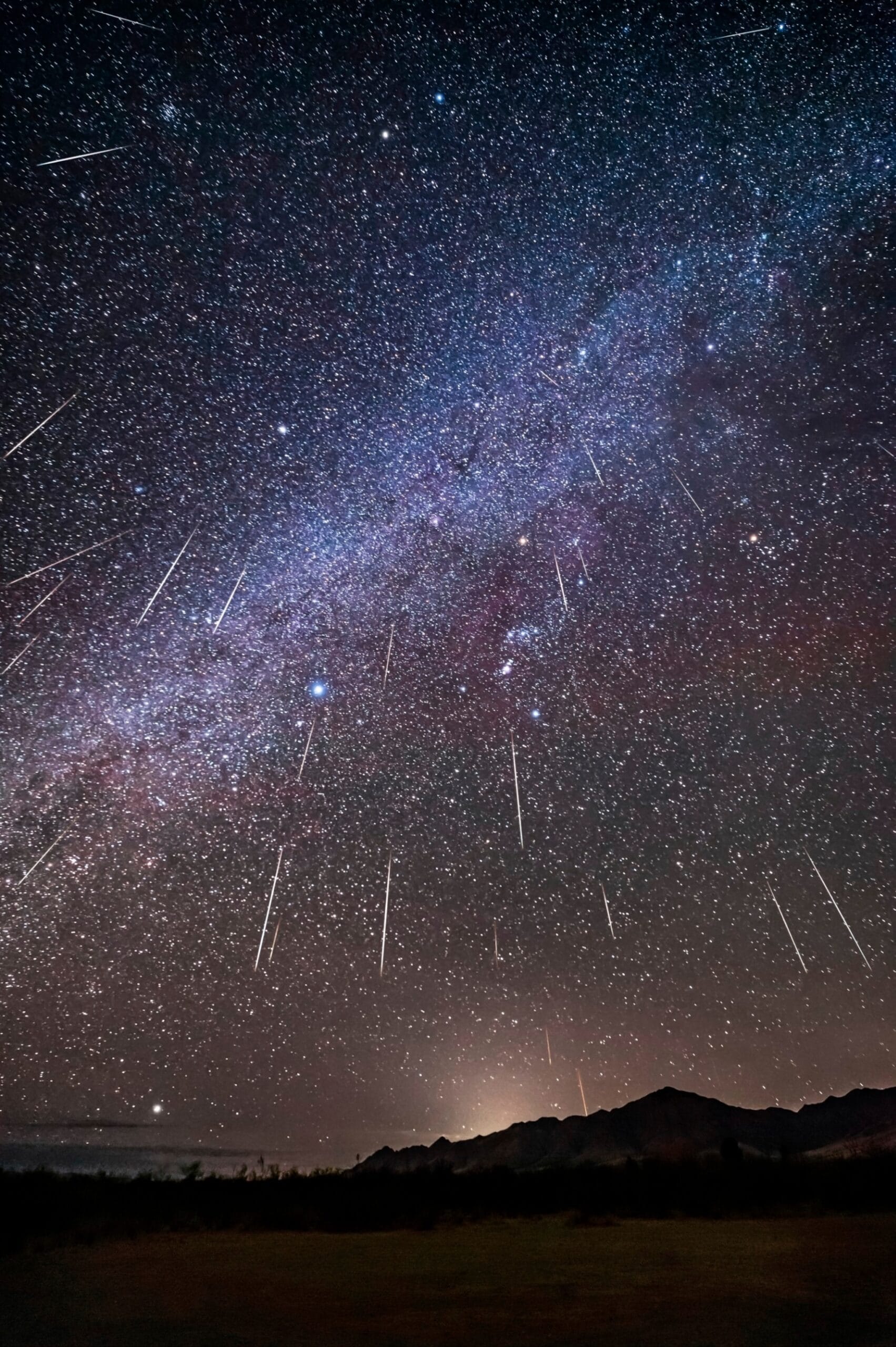
The Geminid meteor shower is an annual astronomical event that captivates stargazers around the world. Known for producing bright and colorful fireballs, the Geminids are considered one of the most spectacular meteor showers of the year. This year, the peak activity is expected to occur on the nights of December 13th and 14th, providing an excellent opportunity for enthusiasts and casual observers alike to witness this celestial phenomenon.
The Geminids are unique in that they are not associated with a comet, as is the case with many other meteor showers. Instead, they originate from an asteroid known as 3200 Phaethon. Discovered in 1983, 3200 Phaethon is classified as a “rocky” asteroid, and its orbit brings it close to the Earth. As it travels through space, it leaves behind a trail of debris. When the Earth passes through this debris field each December, the particles enter the atmosphere at high speeds, creating the stunning meteor displays that we see from the ground.
The meteors from the Geminid shower typically travel at speeds of about 78,000 miles per hour (126,000 kilometers per hour) and can produce bright streaks of light that last several seconds. This shower is known for its high rate of meteors, with estimates ranging from 120 to 150 meteors per hour at its peak under optimal conditions. Observers can expect to see a variety of colors, including green, yellow, and red, as the meteors burn up in the atmosphere.
To maximize the viewing experience, it is essential to find a location that is free from light pollution. Urban areas with bright city lights can significantly hinder visibility, making it difficult to see the faint meteors. National parks or rural areas, away from artificial light, are ideal for observing the Geminids. Additionally, it is recommended to allow the eyes to adjust to the darkness for at least 20 minutes to enhance the chances of spotting meteors.
The best time to watch the Geminid meteor shower is during the late evening and pre-dawn hours, particularly after midnight. During this time, the radiant point of the shower, located in the constellation Gemini, will be higher in the sky, increasing the likelihood of seeing meteors. Observers are encouraged to lie back and take in as much of the sky as possible, as meteors can appear in any part of the sky, not just near the radiant point.
Weather conditions also play a crucial role in meteor shower visibility. Clear skies are essential for optimal viewing, so checking the local weather forecast in advance is advisable. Cloud cover can obstruct the view of the meteors, diminishing the overall experience. In regions where weather conditions are unpredictable, it may be beneficial to have alternative viewing locations in mind.
While the Geminids are a highlight of the astronomical calendar, they are also part of a broader tradition of meteor showers that occur throughout the year. Each meteor shower has its characteristics, with the Perseids in August and the Quadrantids in January being other notable examples. However, the Geminids stand out due to their reliability and the sheer number of meteors produced.
In addition to their visual appeal, meteor showers like the Geminids also offer scientists valuable insights into the composition of celestial bodies. When meteoroids enter the Earth’s atmosphere, they burn up and create plasma trails that can be studied. This research helps astronomers learn more about the origins of our solar system and the materials that make up asteroids and comets.
As the Geminid meteor shower approaches its peak, it serves as a reminder of the beauty and wonder of the universe. Whether you are an experienced astronomer or a casual skywatcher, taking the time to observe this event can be a rewarding experience. With the right conditions and a little patience, the Geminid meteor shower promises to deliver a spectacular display of nature’s fireworks.
In conclusion, the Geminid meteor shower is a remarkable event that offers a unique opportunity to witness the wonders of the cosmos. With its peak occurring on December 13th and 14th, now is the perfect time to prepare for a night of stargazing. By finding a dark location, allowing your eyes to adjust to the night sky, and being patient, you can enjoy one of the most impressive meteor showers of the year.