NASA has long been at the forefront of space exploration and scientific discovery, and their latest endeavor promises to further expand our understanding of the galaxy. The Spectro-Photometer for the History and Redshifts of Massive Black Holes (SPHEREx) is a groundbreaking space telescope that has been designed to produce an all-sky map of the universe’s infrared celestial objects. This remarkable tool will help scientists study not only the properties of the objects themselves but also the relationship between galaxies and their dark matter halos. In anticipation of its impending launch in 2025, NASA will be hosting a media teleconference to provide an in-depth preview of the SPHEREx’s capabilities and objectives. The press conference will feature presentations from various experts in the field, shedding light on the cutting-edge technologies and methodologies utilized in this ambitious mission. Through the acquisition of data on over 100 million galaxies and millions of black holes, the SPHEREx telescope is poised to make significant advancements in areas such as galaxy evolution, the early universe’s properties, the Milky Way’s structure, and the previously unknown chemistry of stars and planets. This remarkable mission promises to unlock new secrets of our universe and underscore NASA’s commitment to scientific inquiry and exploration.
Related Posts

Looking Back: A Year in Space Highlights and Milestones
This article revisits the biggest moments in the space industry in 2024. From groundbreaking discoveries and technological advancements to major missions and milestones, explore the highlights that made headlines and shaped the future of the space exploration industry.

New Phone Scanner Detects Spyware: Seven Pegasus Infections Uncovered
A groundbreaking phone scanner has successfully identified seven instances of the notorious Pegasus spyware, raising concerns about digital privacy and security.
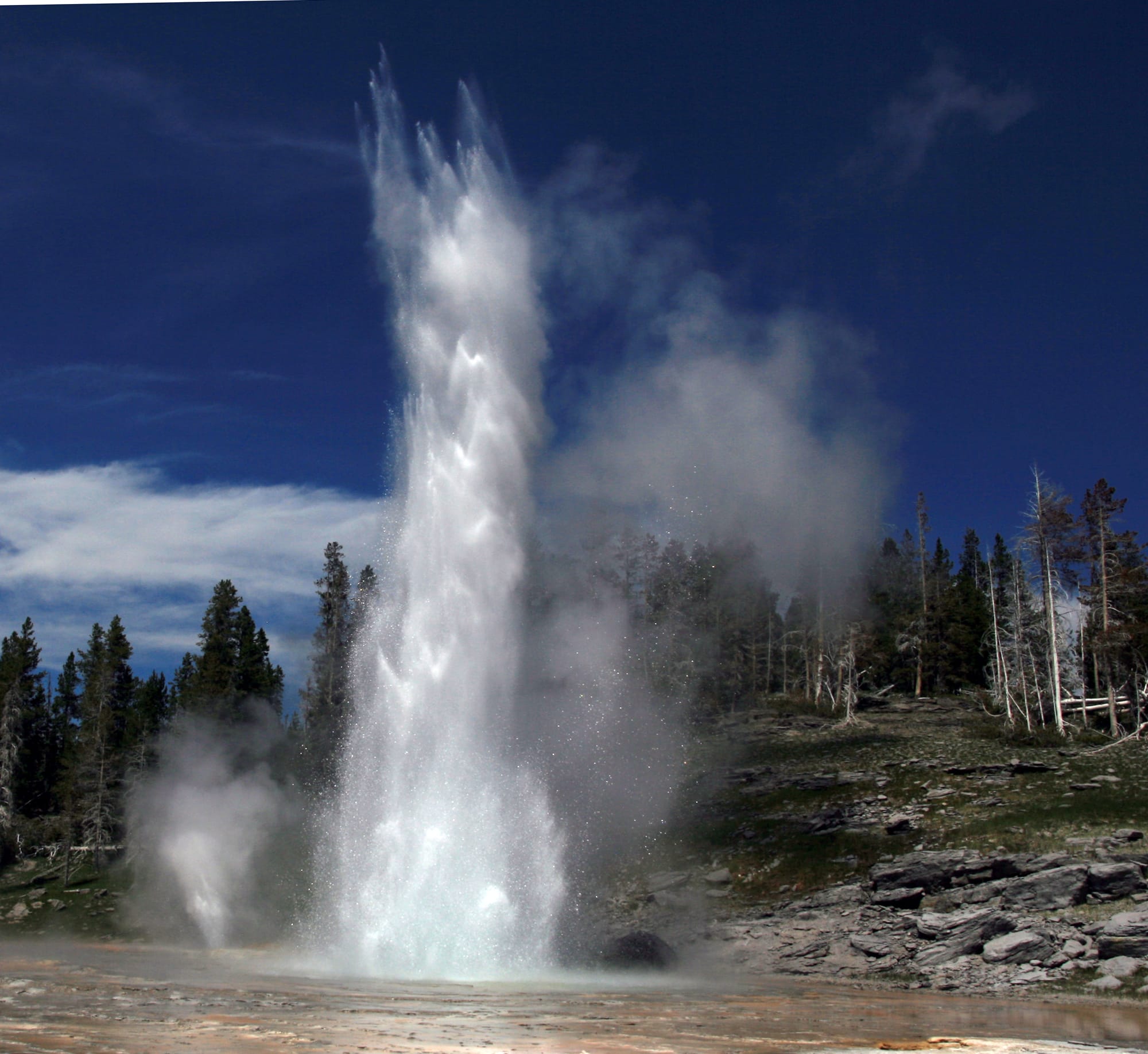
Yellowstone Supervolcano: Recent Scientific Findings on Eruption Potential
New research offers updated insights into the likelihood and timing of a future supervolcanic eruption at Yellowstone National Park. Studies utilizing advanced geophysical monitoring techniques and geological analyses provide a more nuanced understanding of the magma chamber’s dynamics and the processes leading to potential eruptions. While the possibility remains, the current data allows for a more informed assessment of the risks.