Researchers have achieved a significant breakthrough in reproductive biology by successfully generating a mouse offspring derived from two male parents. This novel approach involved sophisticated techniques in genetic manipulation, specifically utilizing pluripotent stem cells and CRISPR gene-editing technology. The process began with the extraction of cells from the skin of male mice. These cells were then reprogrammed to become pluripotent stem cells, which are cells capable of developing into any cell type in the body. The crucial part of the process was the manipulation of the chromosomes within these stem cells. Typically, female mammals possess two X chromosomes (XX), while males have one X and one Y chromosome (XY). To create an embryo using only male genetic material, scientists had to manipulate the stem cells to change the number of sex chromosomes they carried and induce a female status. This involved the loss of the Y chromosome and the duplication of the X chromosome. These modified XX stem cells were then combined with sperm from another male mouse using a technique that imitates the fertilization process. The altered stem cells underwent meiosis and then were placed into an egg shell, to simulate the very early stages of an embryo development. Subsequently, the resulting embryos were implanted into a surrogate female mouse. The mouse offspring produced through this method were born and survived to adulthood. The health and behavior of this mouse is under further investigation. The creation of viable offspring from two male parents presents a significant departure from traditional mammalian reproduction, which requires genetic material from both a male and a female parent. This research is not the first to attempt this, as prior experiments have involved the creation of mouse offspring with two female parents. The methods used this time have successfully circumvented the conventional reproductive processes. The implications of this research extend to both understanding the fundamental processes of mammalian genetics and reproduction. The research has practical applications for assisted reproduction, the preservation of endangered species, and the manipulation of genetic traits. The study further helps to understand genomic imprinting, which is the phenomenon where some genes are expressed only if they are inherited from the mother or from the father. This research, while not immediately applicable to humans, does provide a pathway for understanding the complex process of sexual reproduction. Further research will focus on refining these methods, investigating the long term impacts on the health of offspring produced with the methods, and exploring the potential for similar techniques in other species. The development of this technique has required multiple steps that were very precisely monitored to achieve success. The scientists are further analyzing the offspring to assess its genetic stability and reproductive capabilities. The long-term health and potential fertility of this mouse will be critical in the continued assessment of the significance of this development.
Related Posts
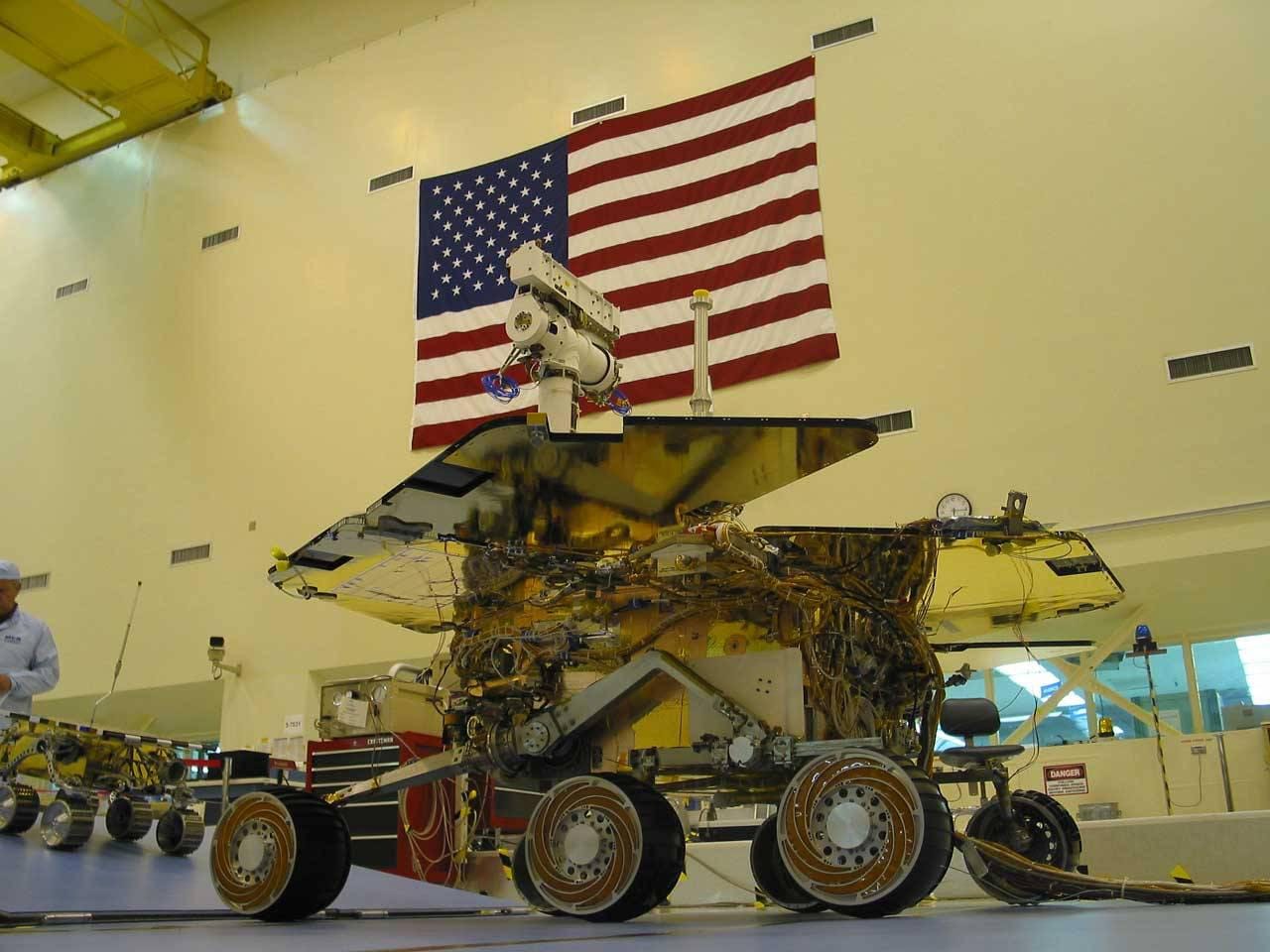
New Discoveries on Mars: NASA’s Innovative Approach to Uncover Evidence of Life
NASA is embarking on a groundbreaking mission to gather evidence of potential life on Mars, utilizing advanced technology and strategic planning. This initiative aims to analyze Martian soil and rock samples, with the hope of revealing signs of past or present biological activity. The mission represents a significant step in humanity’s quest to understand the potential for life beyond Earth.
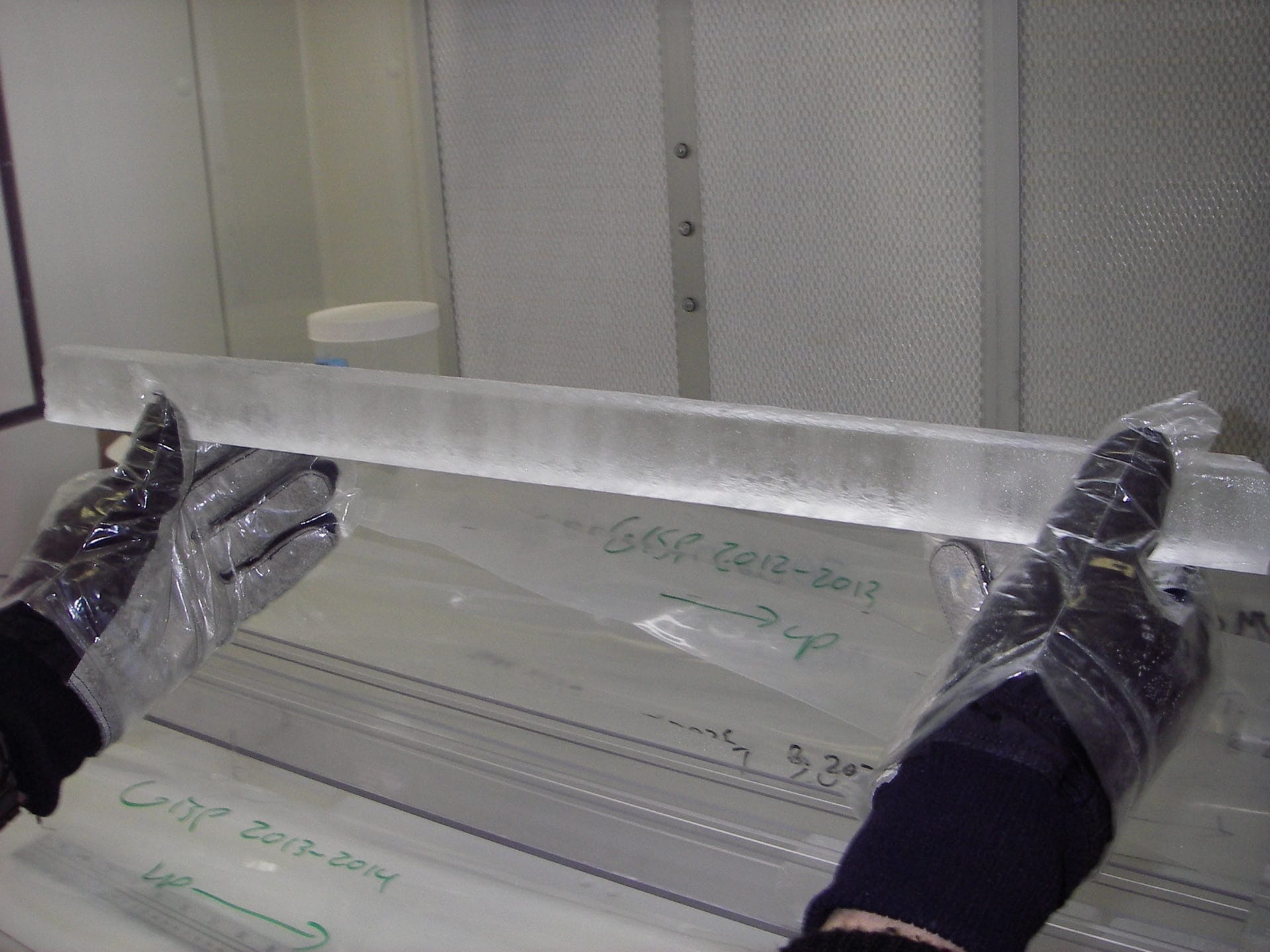
Unraveling Earth’s Past: Ice Cores Offer Clues to Ancient Mysteries
Scientists have discovered that ice cores taken from the polar regions can offer unprecedented insights into Earth’s past, providing a treasure trove of information about our planet’s climate history and environmental changes.

California’s 7.0 Earthquake: Causes and Aftershock Predictions
A recent 7.0 magnitude earthquake shook California, triggering discussions about its causes and the potential for aftershocks. Experts weigh in on the geological factors and what residents can expect in the coming days.