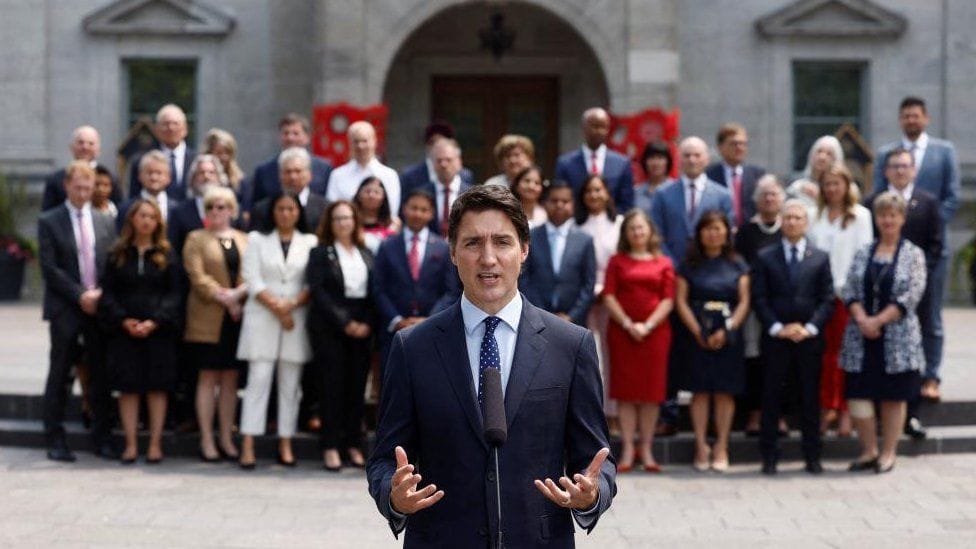
The resignation of Prime Minister Justin Trudeau marks a pivotal moment in Canadian politics, prompting questions about the future direction of the country. Trudeau, who has been a dominant figure in Canadian politics since he assumed office in 2015, has announced his decision to step down, leaving a void that will have far-reaching implications for the Liberal Party, the opposition, and the Canadian populace at large.
Trudeau’s tenure has been characterized by a range of policies that have shaped Canada’s domestic and foreign landscapes. From climate change initiatives to immigration reforms, his government has often been at the forefront of progressive policies. With his departure, the Liberal Party must now navigate the complexities of leadership transition, which could influence its platform and electoral strategy moving forward. The party’s ability to maintain unity and a clear vision will be crucial as it prepares for the next federal election, which is expected to occur in the coming years.
The process of selecting a new leader will be a significant undertaking for the Liberal Party. It will involve weighing the merits of various candidates, each of whom may bring different ideologies and priorities to the forefront. The party’s base may have varying expectations regarding the direction they wish to take, whether that involves continuing Trudeau’s legacy or pivoting towards new policies that resonate with a broader audience. This internal deliberation will be critical in shaping the party’s future and its chances in upcoming elections.
In the wake of Trudeau’s resignation, the political landscape in Canada may also shift dramatically. The opposition parties, including the Conservative Party and the New Democratic Party (NDP), will likely seize the opportunity to capitalize on the uncertainty surrounding the Liberal Party. The Conservatives, who have been in the opposition since 2015, might attempt to present themselves as a viable alternative to the Liberal Party, potentially gaining traction among voters dissatisfied with the current administration. Meanwhile, the NDP may seek to strengthen its position by appealing to progressive voters who feel that the Liberal Party has not adequately addressed critical social issues.
Moreover, Trudeau’s resignation raises questions about the policies that have defined his government. Issues such as climate change, healthcare, and Indigenous rights will remain at the forefront of Canadian political discourse. The new leadership will need to address these pressing matters while also responding to emerging challenges, such as economic recovery post-pandemic and international relations in an increasingly complex global landscape.
The impact of Trudeau’s resignation extends beyond politics and governance; it also resonates with the Canadian public. Citizens will be keenly observing how the transition unfolds and how it affects their everyday lives. Public sentiment may fluctuate based on the perceived effectiveness of the new leadership and the policies they implement. Engaging with constituents and addressing their concerns will be essential for the incoming leader to foster trust and confidence in the government.
In addition to domestic challenges, Canada’s international standing may also be influenced by this leadership change. Trudeau has been an outspoken advocate for multilateralism and has played a significant role in international forums addressing climate change and human rights. The new prime minister will need to navigate these diplomatic waters carefully, ensuring that Canada remains a respected player on the global stage while also advocating for its national interests.
As Canada embarks on this new chapter, there are also opportunities for innovation and progress. The transition in leadership could pave the way for fresh ideas and approaches to longstanding issues. Engaging diverse voices from various sectors of society, including youth, Indigenous communities, and marginalized groups, could lead to more inclusive policies that reflect the values and aspirations of all Canadians.
In conclusion, the resignation of Justin Trudeau signifies a major turning point for Canada, with implications that will be felt across the political spectrum and throughout society. The Liberal Party faces the challenge of selecting a new leader who can unite its base and articulate a clear vision for the future. Meanwhile, opposition parties will look to leverage this moment to redefine their roles in Canadian politics. As the nation navigates this transition, the focus will remain on addressing the pressing issues that affect Canadians and ensuring that the country continues to thrive in an ever-changing world.