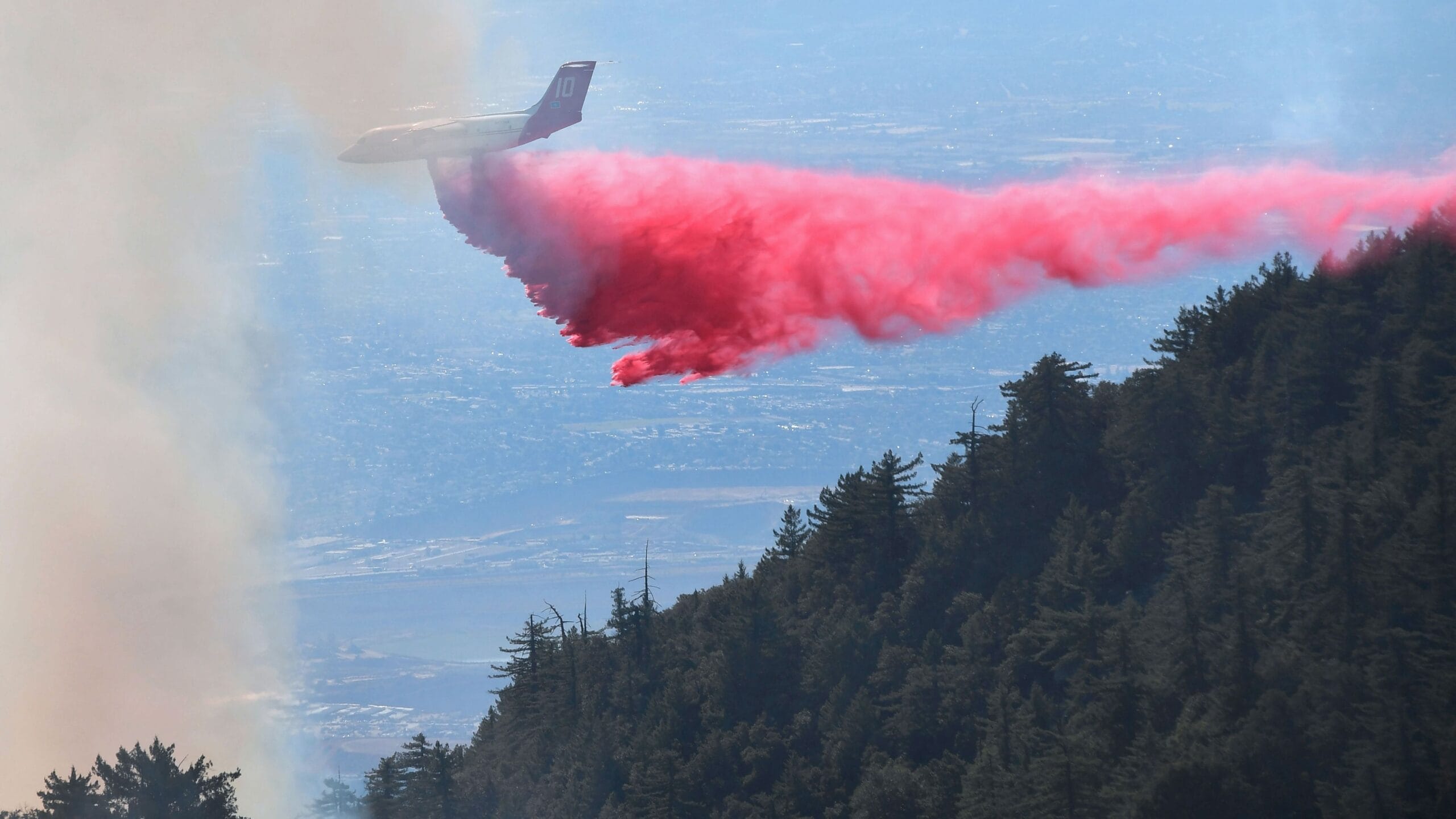
Southern California is entering a critical period as meteorological conditions converge to create a heightened risk of wildfires across the region. The phenomenon known as Santa Ana winds, which are seasonal winds that blow from the inland deserts toward the coast, is expected to intensify, presenting dangerous fire threats. These winds are typically characterized by their dry air and strong gusts, which can reach speeds of up to 70 miles per hour in some areas. The combination of these factors creates an environment conducive to the rapid spread of wildfires, prompting officials to issue warnings and take precautionary measures.
The Santa Ana winds typically occur in the fall and winter months, but their intensity can vary significantly from year to year. This year, meteorologists have observed conditions that could lead to particularly strong winds. The National Weather Service has issued red flag warnings for multiple counties, indicating that critical fire weather conditions are present. These warnings highlight the urgency for residents to prepare for potential evacuations and to take necessary precautions to protect their homes and families.
The dry conditions that accompany the Santa Ana winds are a significant concern for fire officials. The region has experienced below-average rainfall in recent months, resulting in dry vegetation that can easily ignite. This dry brush serves as fuel for wildfires, and with the winds fanning the flames, the potential for destructive fires increases dramatically. Firefighters are on high alert, ready to respond to any incidents that may arise, but the unpredictable nature of the winds can complicate firefighting efforts.
Local authorities are urging residents to stay informed about the evolving weather conditions and to heed any evacuation orders that may be issued. Communities in high-risk areas are encouraged to create defensible space around their homes by clearing away dry vegetation and other flammable materials. Additionally, residents are advised to have an emergency kit prepared, including essential items such as food, water, medications, and important documents, in case they need to evacuate quickly.
As the winds pick up, the potential for power outages also increases. Utility companies are taking proactive measures to mitigate the risk of wildfires sparked by downed power lines. In some cases, this may involve preemptively shutting off power in certain areas to prevent electrical equipment from igniting fires. Residents are advised to have alternative power sources and to plan for the possibility of extended outages.
The impact of wildfires extends beyond immediate danger to life and property. Smoke from wildfires can significantly affect air quality, posing health risks to individuals, especially those with respiratory issues. Local health departments are monitoring air quality levels and providing guidance to residents on how to minimize exposure to smoke and other pollutants.
In addition to the immediate risks posed by wildfires, the economic implications can be substantial. Wildfires can lead to significant property damage, loss of business, and increased insurance costs. The recovery process can take years, and the emotional toll on affected individuals and communities can be profound. As such, preparedness and prevention efforts are critical in mitigating the risks associated with these natural disasters.
In conclusion, Southern California is facing a critical juncture as the Santa Ana winds bring life-threatening fire threats to the region. With the combination of dry conditions and strong winds, the risk of wildfires is heightened, prompting authorities to take precautionary measures and urging residents to remain vigilant. As the situation develops, it is essential for individuals and communities to stay informed and prepared for potential emergencies. The collaboration between residents, local governments, and firefighting agencies will be crucial in navigating the challenges posed by these dangerous weather conditions.


