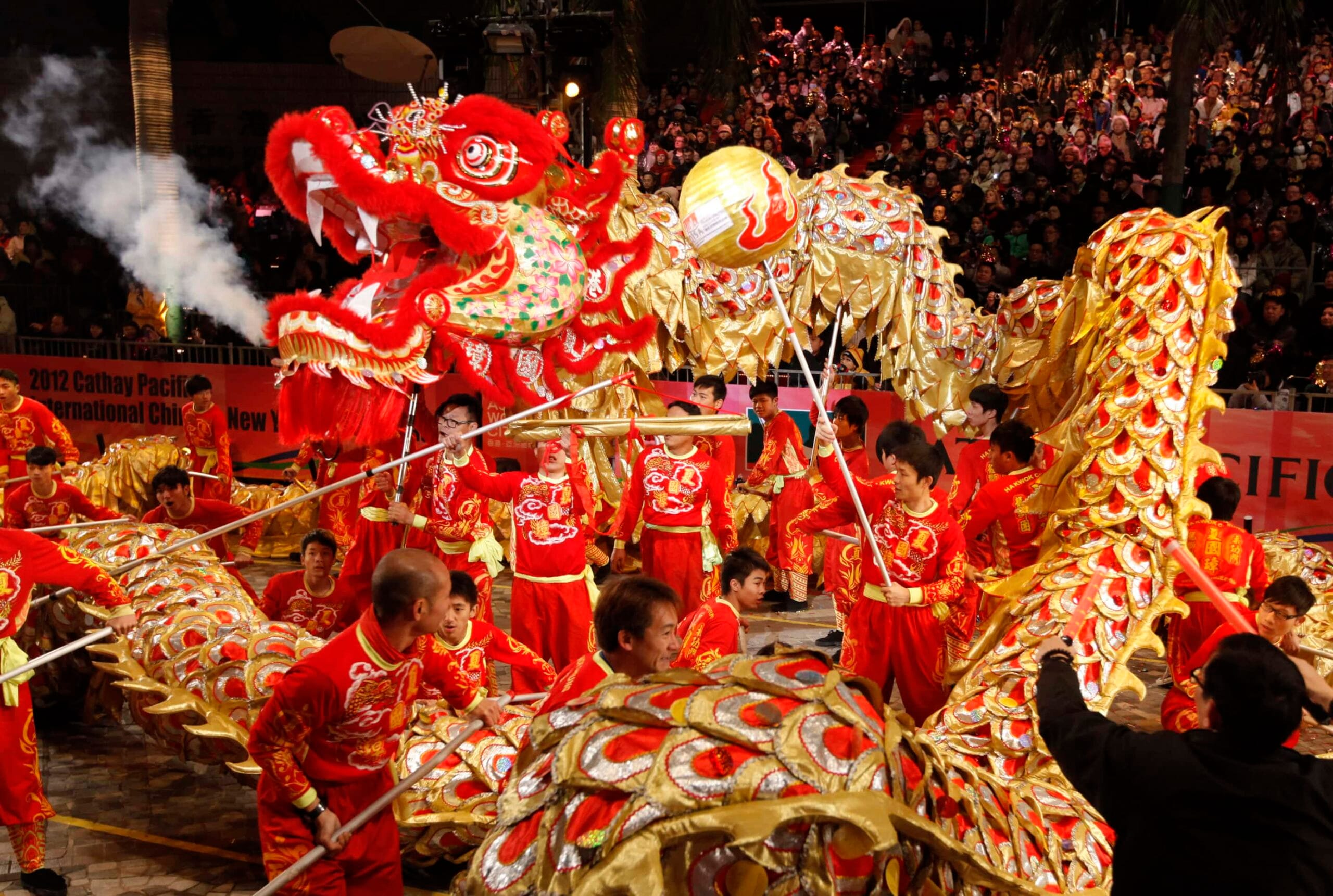
The Lunar New Year, a time of profound cultural significance for numerous communities around the globe, is being observed with a variety of festivities, marking the beginning of the Year of the Snake. This significant annual event, also referred to as the Spring Festival in some regions, is a time for families to reunite, honor traditions, and look forward to the year ahead. The celebrations are not confined to one particular geographic area, but rather span continents, showcasing the global reach and enduring influence of this ancient tradition. The Lunar New Year is deeply interwoven with the Chinese zodiac, a cyclical system of twelve animal signs, each associated with particular characteristics and fortunes. The snake, in this context, is often perceived as representing wisdom, intuition, and resourcefulness. This symbolism plays a role in the observances and beliefs that shape the new year’s perspective for many individuals. Festivities are widespread, involving a diverse range of activities and customs. Traditional decorations, such as paper lanterns, banners adorned with auspicious phrases, and red envelopes containing monetary gifts, can be seen prominently displayed in homes, businesses, and public spaces. Parades featuring elaborate costumes, dragon and lion dances, and the sounds of drums and cymbals fill city streets, attracting both participants and spectators. These public displays of cultural expression contribute to the vibrant and celebratory atmosphere that characterizes this time of year. Family gatherings are of paramount importance, as the Lunar New Year is an opportunity for multiple generations to come together, share meals, and reinforce bonds. Many families embark on long journeys to be with their loved ones, underscoring the value placed on familial connections during this period. Traditional foods are a crucial aspect of these gatherings, with specific dishes holding symbolic meanings related to prosperity, luck, and well-being. The preparation and consumption of these meals are often considered to be as important as the family reunions themselves. The exchange of gifts, particularly red envelopes (known as ‘hongbao’ in Mandarin) filled with money, is a common practice, signifying good wishes and blessings for the recipients. The red color is considered auspicious in many cultures and is incorporated into many aspects of the celebrations. Different regions may have specific customs and traditions that are unique to their localities, showcasing the diversity of practices across different locations. In some areas, temple visits, ancestral veneration, and other spiritual practices are integral parts of the new year observances. These local differences add to the rich mosaic of celebrations that mark the Lunar New Year globally. The holiday is not only about looking back at traditions but also involves looking forward to the new year with optimism and hope. This is reflected in the many cultural activities and prayers for good fortune, health, and prosperity. The celebrations represent a continuation of cultural heritage as well as an embrace of a new cycle of time. The duration of the Lunar New Year celebrations can vary depending on the specific culture and region but generally extend over several days, allowing ample time for families and communities to engage in the various traditions and customs. The impact of the festivities extends far beyond the specific communities who traditionally observe it, with many businesses and organizations recognizing the significance of the event. The Lunar New Year provides an opportunity for cultural exchange, allowing others to learn about and appreciate the richness of traditions across different groups.
Lunar New Year Celebrations Mark Start of the Year of the Snake