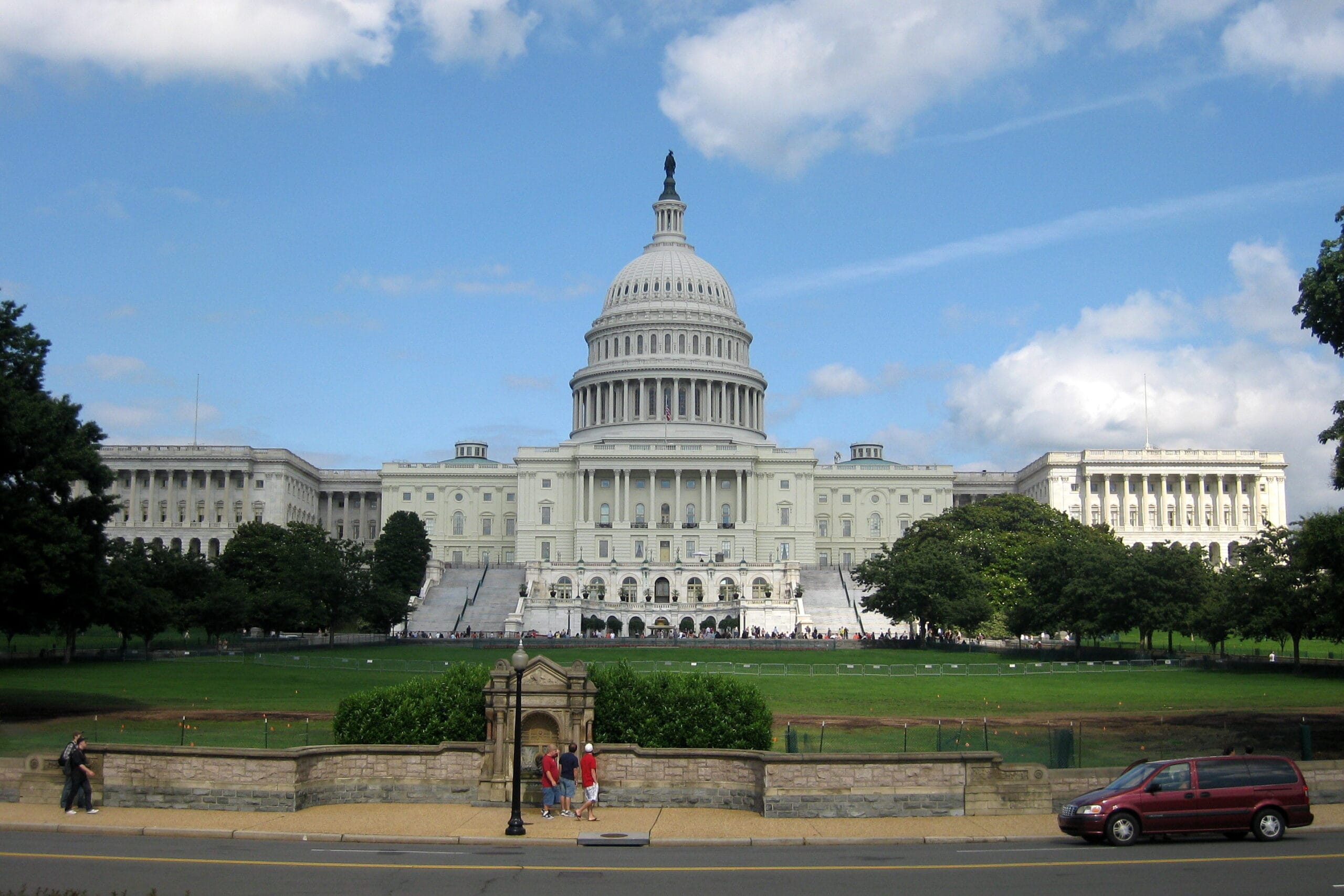
In a significant development in the ongoing standoff between the executive and legislative branches, a federal judge has temporarily blocked the Department of Justice (DOJ) from sharing a classified report with members of Congress. The report in question was compiled by Special Counsel Jack Smith, who was appointed to oversee investigations into former President Donald Trump and the events surrounding the January 6, 2021, Capitol attack.
The DOJ had filed a lawsuit to challenge a congressional subpoena that demanded access to the classified document. In his ruling, U.S. District Judge Trevor McFadden asserted that the DOJ had a strong argument in its assertion that disclosing the report could harm national security and undermine ongoing investigations. The judge, however, did not rule on the merits of the case but instead issued a temporary restraining order to prevent the DOJ from complying with the subpoena while the legal dispute is ongoing.
The case highlights the complex dynamics between the executive and legislative branches, particularly when it comes to accessing sensitive information related to ongoing investigations. The DOJ has maintained that the report contains classified information that could compromise national security if made public. Members of Congress, on the other hand, have argued that they have a constitutional obligation to oversee the executive branch and that the report is necessary for their oversight duties.
The legal battle is likely to continue as both sides prepare their arguments for future court hearings. The DOJ is expected to argue that the report should remain classified to protect sensitive information and ongoing investigations. Congress, meanwhile, will likely contend that its oversight responsibilities require access to the document, even if it contains sensitive information.
This legal confrontation underscores the delicate balance between transparency and national security. While the public and Congress have a right to know about the actions of the government, there are also legitimate concerns about protecting sensitive information that could harm national security. The final outcome of this case could set a precedent for future disputes between the executive and legislative branches over access to classified information.
The temporal restraining order issued by Judge McFadden is a temporary measure, and the case will likely see further legal arguments and possibly even an appeal. The ultimate resolution could have significant implications for how Congress conducts oversight of the executive branch and how sensitive information is handled in the future.