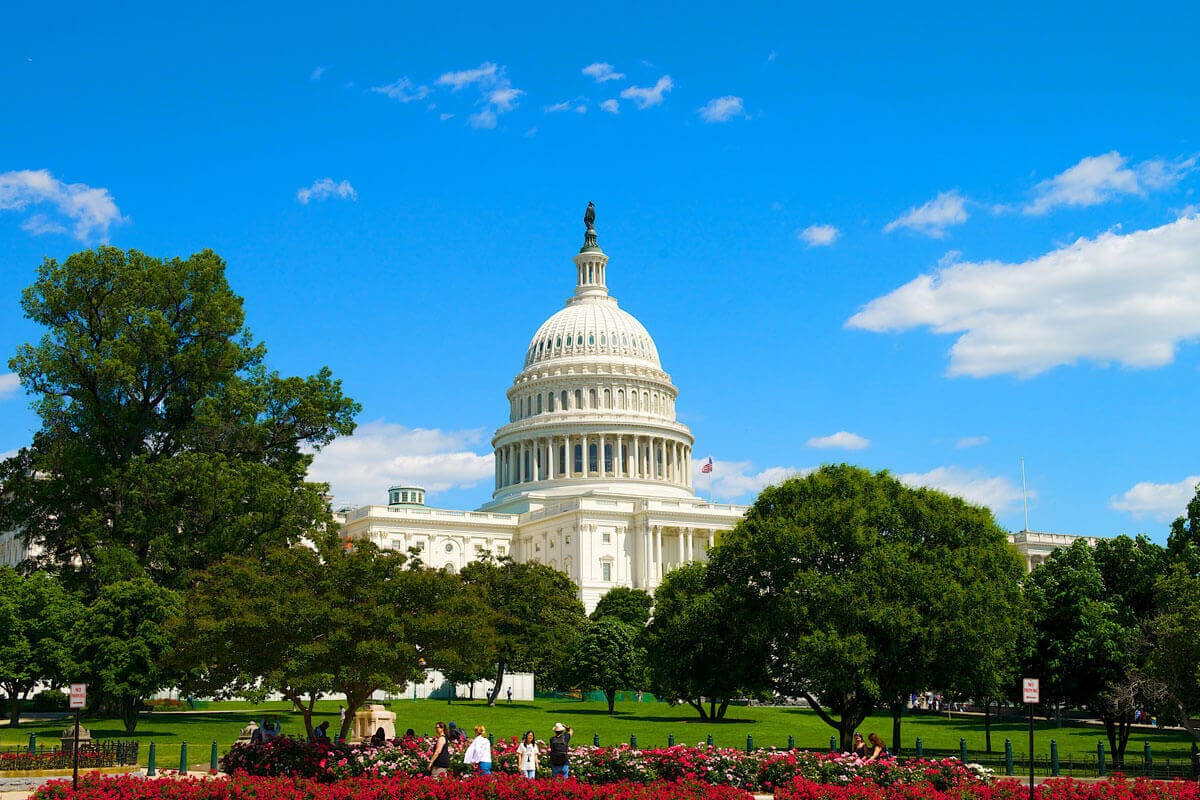
The United States Congress is gearing up for a significant and historic session as it prepares to certify the electoral victory of Donald Trump, the 45th President of the United States. This event, while a routine constitutional procedure, is underscored by the complex and contentious legacy of the January 6, 2021, insurrection at the U.S. Capitol. The certification process is not merely a formality; it represents a crucial moment in the democratic process, one that is now heavily influenced by the events that unfolded on that fateful day.
On January 6, 2021, a violent mob stormed the Capitol in an attempt to overturn the results of the 2020 presidential election, which had declared Joe Biden the winner. This unprecedented attack on the seat of American democracy resulted in widespread condemnation across the political spectrum and raised serious questions about the state of political discourse and the integrity of the electoral process in the United States. As Congress convenes to certify Trump’s election win, lawmakers are acutely aware of the significance of this moment, not only for the past but also for the future of American governance.
In preparation for this session, security measures have been heightened around the Capitol. Law enforcement agencies are on high alert, and additional resources have been deployed to ensure the safety of lawmakers and the integrity of the proceedings. The memory of the January 6 riot, which resulted in multiple deaths and injuries, remains fresh in the minds of many, and the potential for unrest continues to be a concern. The Capitol has become a symbol of both democracy and vulnerability, and as such, the atmosphere surrounding the certification process is charged with tension.
The certification of electoral votes is a constitutional duty that Congress must fulfill. It is a process that involves the counting of votes submitted by each state, and it is typically a straightforward affair. However, the events of January 6 have complicated this procedure. The insurrection was fueled by false claims of widespread voter fraud, and many supporters of Trump continue to propagate these assertions. This has led to a deeply polarized environment, where trust in the electoral process is at an all-time low for some segments of the population.
As Congress prepares to move forward with the certification, discussions are taking place regarding the implications of the January 6 events on future elections and the political landscape. Lawmakers are grappling with questions about how to restore faith in the electoral process and address the divisions that have been exacerbated by the insurrection. The aftermath of January 6 has prompted calls for reforms to ensure the security of future elections and to hold accountable those who incited violence.
Moreover, the legacy of January 6 extends beyond the immediate political ramifications. It has sparked a national conversation about extremism, misinformation, and the role of social media in shaping public perception. The events of that day have led to a reevaluation of how political discourse is conducted in the United States and have prompted lawmakers to consider measures aimed at preventing such violence in the future.
In light of these challenges, the certification of Trump’s election win is not merely a procedural step; it is a pivotal moment that reflects the ongoing struggle to uphold democratic principles in the face of adversity. The outcome of this certification will have lasting implications for the Republican Party, which remains divided over Trump’s influence and the direction it should take moving forward. As some members express loyalty to the former president, others are calling for a departure from his divisive rhetoric.
As Congress gathers to fulfill its constitutional obligation, the weight of history hangs over the proceedings. Lawmakers are tasked not only with certifying the election results but also with navigating the complex landscape that has emerged in the wake of January 6. The actions taken during this session will be scrutinized and will resonate far beyond the walls of the Capitol.
In conclusion, the certification of Trump’s election win is a moment steeped in significance, reflecting both the resilience of American democracy and the challenges it faces. As lawmakers prepare to undertake this critical responsibility, they do so with the understanding that the legacy of January 6 will continue to shape the political discourse for years to come. The actions taken in this session will serve as a testament to the commitment of Congress to uphold the principles of democracy, even in the face of unprecedented challenges.