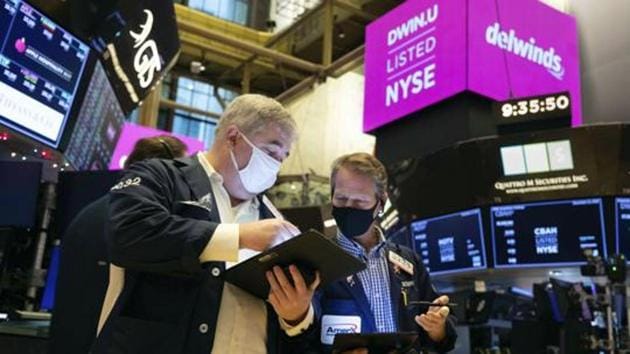
The U.S. stock market has recently experienced notable movements, largely driven by the performance of key companies such as Nucor Corporation and Freeport-McMoRan Inc. (FCX). These companies have emerged as leaders in the S&P 500 rally, reflecting investor optimism despite ongoing discussions surrounding U.S. tariff policies. Former President Donald Trump has publicly denied any significant shifts in his administration’s approach to tariffs, yet the market appears to be responding to underlying changes in trade dynamics that could impact various sectors.
Nucor, a major player in the steel industry, has seen its stock price rise in response to anticipated changes in tariffs on imported steel. The company has long benefited from protective tariffs that have enabled it to maintain competitive pricing against foreign competitors. As discussions regarding the future of these tariffs continue, investors are closely monitoring developments that could influence Nucor’s profitability. The company’s strong financial performance and commitment to innovation have positioned it well in a fluctuating market, attracting investor interest and contributing to the recent rally.
Similarly, Freeport-McMoRan, a prominent mining company, has also capitalized on market conditions. The company’s operations are heavily influenced by global copper prices, which have seen fluctuations due to supply chain disruptions and changing demand patterns. As the U.S. economy continues to recover from the impacts of the COVID-19 pandemic, there is increased demand for copper, particularly in the renewable energy sector. FCX’s ability to navigate these market dynamics has garnered investor confidence, further propelling its stock performance.
Despite Trump’s assertions that there are no significant changes to tariff policies, market analysts suggest that the perception of potential shifts is driving investor behavior. Tariffs play a crucial role in shaping the competitive landscape for companies operating in industries such as steel and mining. Any alterations to these policies could have far-reaching implications for production costs, pricing strategies, and overall market competitiveness.
Moreover, the broader economic context cannot be overlooked. The U.S. economy is currently grappling with inflationary pressures, supply chain challenges, and evolving consumer behaviors. These factors have created a complex environment for businesses, prompting many to reassess their strategies in response to changing market conditions. In this context, the performance of companies like Nucor and FCX is particularly significant, as they serve as barometers for investor sentiment regarding the health of the industrial and materials sectors.
As the S&P 500 continues to rally, driven in part by the performances of Nucor and FCX, market participants are keenly aware of the potential implications of tariff policies. Investors are not only focused on immediate financial returns but also on the long-term sustainability of the companies in which they invest. The interplay between government policy and corporate performance is a critical consideration for those navigating the stock market.
In conclusion, while former President Trump denies any shifts in tariff policies, the stock market’s response suggests a different narrative. Nucor and Freeport-McMoRan have emerged as leaders in the S&P 500 rally, reflecting investor optimism amidst ongoing discussions about trade dynamics. As the market continues to evolve, the implications of tariff policies will remain a focal point for investors and analysts alike, shaping the future of key industries in the United States.