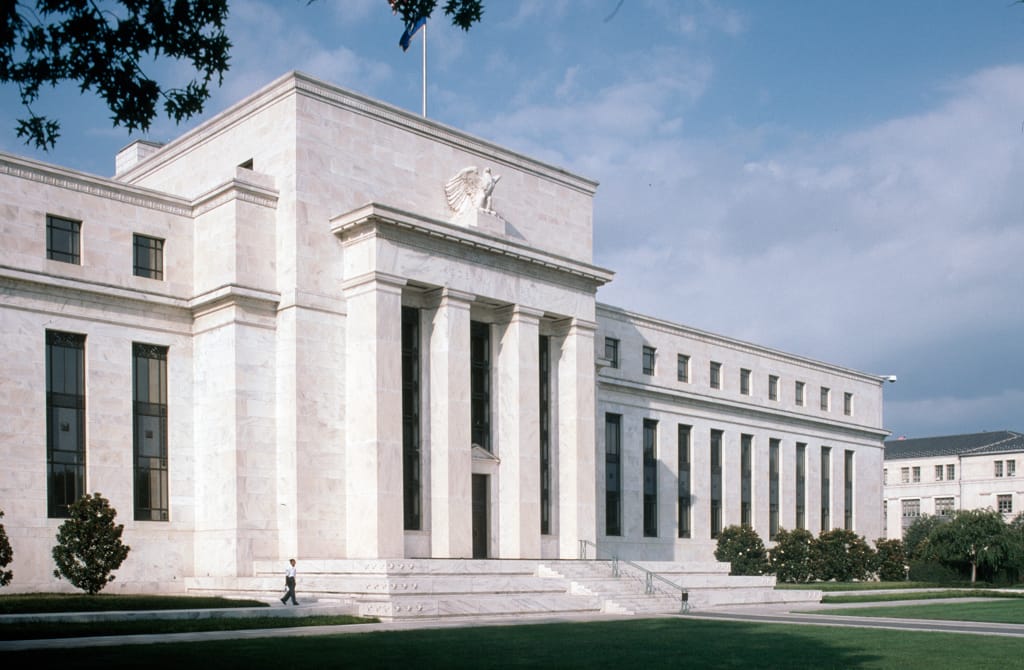
As U.S. stock futures remained largely unchanged at the start of the week, market participants are closely watching developments surrounding the Federal Reserve’s upcoming meeting, where discussions regarding potential interest rate cuts are expected to take center stage. This moment comes in the wake of fluctuating economic indicators that have left investors eager to understand the direction in which monetary policy might shift.
Over the past several weeks, economic data has provided a mixed bag of signals. On one hand, reports showcasing solid job growth and consumer spending have fueled expectations of resilient economic performance. On the other hand, recent inflation numbers have raised questions regarding the efficacy of the Federal Reserve’s previous rate hikes. As the Fed prepares to convene, analysts suggest investors must assess how these contrasting data points will influence the central bank’s approach to interest rates.
Interest rates have been a central theme throughout 2023, with the Federal Reserve raising them in an effort to combat inflation that had surged to multi-decade highs. These adjustments have had a profound impact on various sectors within the economy, from housing to consumer goods. In previous meetings, the Fed signaled a commitment to reining in inflation, though recent signs of economic cooling may prompt a reevaluation of that stance.
Market expectations have begun to shift in advance of the Fed’s announcement, with many investors speculating that a rate cut may be on the horizon. A combination of stagnant wage growth, weaker-than-expected retail sales, and consumer sentiment metrics that reflect a diminishing outlook for economic expansion have contributed to this sentiment. Such conditions could warrant a higher consideration for a more accommodative monetary policy, even as inflation remains a pressing concern.
Despite the nagging uncertainty surrounding inflation and economic growth, stock markets have shown resilience. The S&P 500 index and other major indices have experienced volatility but have remained within a relatively stable range. This steadiness could be attributed to the cautious optimism that accompanies any change in interest rates. A lower interest rate environment traditionally encourages borrowing and investment, potentially stimulating economic growth.
As Wall Street prepares for the Fed’s meeting, investors are also keeping an eye on global economic conditions. The international landscape has become complex, with geopolitical tensions and varying economic recovery rates among nations affecting market predictions. Economic forecasts suggest that advanced economies may experience differing paths in their recoveries from the pandemic, influencing global trade dynamics and investment strategies.
The Fed’s communication strategy will be critical in shaping market responses. Investors tend to scrutinize the language used in the Fed’s statements, as slight variances can influence perceptions regarding future monetary policy. The clarity of guidance offered by central bank officials will play a vital role in how markets react to potential changes in interest rates. The Federal Reserve’s commitment to transparency has often provided a degree of stability, but any signals perceived as conflicting could induce volatility.
In addition, market analysts are assessing the potential consequences of an interest rate cut on various economic sectors. Lower financing costs resulting from a rate reduction may bolster the housing market, where affordability has been strained by earlier rate increases. Additionally, sectors dependent on consumer discretionary spending, such as travel and hospitality, could see a resurgence as borrowing costs decrease.
Investors are also turning their attention to inflation expectations, a key aspect that the Fed must navigate. Although inflationary pressures have eased from their peak levels, they remain a vital consideration in setting future policy. The Fed’s ability to balance rates without exacerbating inflation is critical to sustaining economic growth and stabilizing the labor market.
While investors await further clarity from the Federal Reserve, they continue to monitor certain economic indicators leading up to the meeting. Employment data, consumer price indices, and manufacturing outputs will be vital metrics that reflect the broader economic health. These indicators will not only serve as backdrop information for the Fed’s decisions but will also shape investor strategies in the short and long term.
In conclusion, as stock futures show little change ahead of a potentially pivotal week for monetary policy, investors are poised to react to any developments emerging from the Federal Reserve’s meeting. The intersection of economic indicators, global influences, and central bank decisions remains a complex web that can significantly impact market movements. With the specter of rate cuts on the horizon, the focus will increasingly shift toward how effectively the Fed can navigate existing economic challenges.