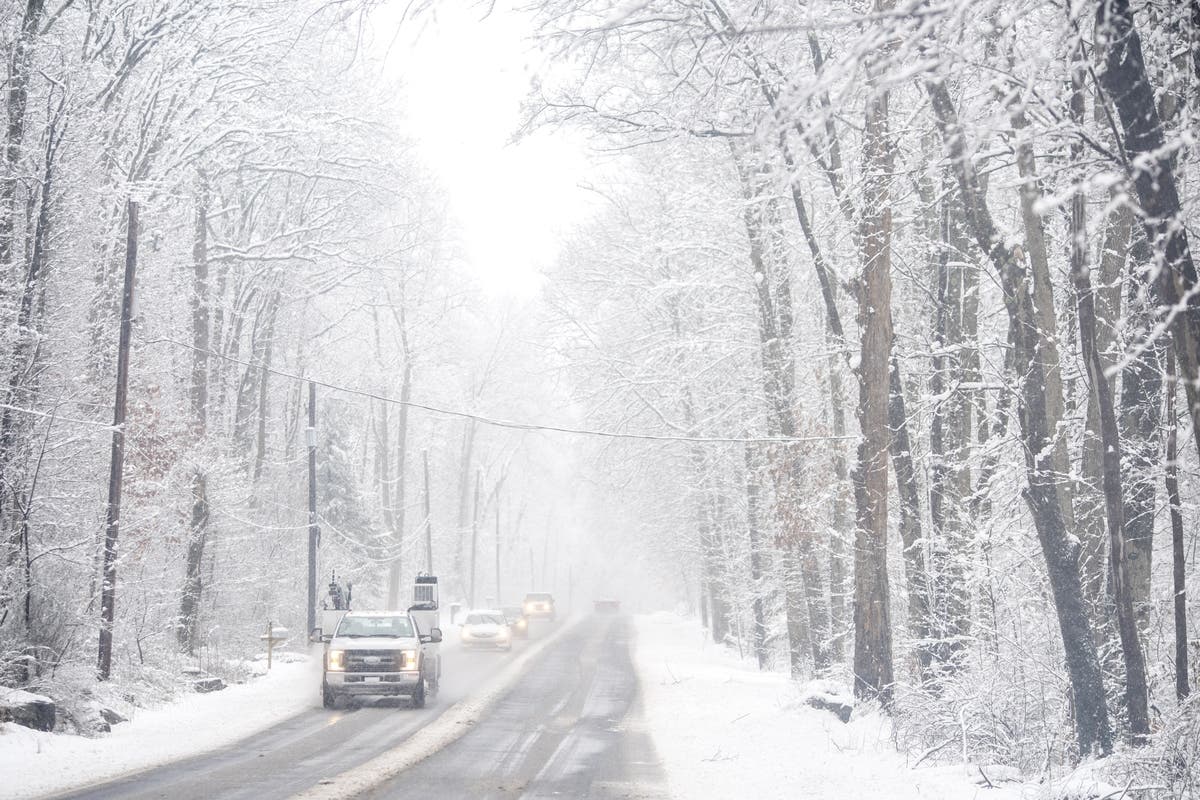
A fast-moving winter storm has brought widespread effects across the Midwest and Northeast, enveloping the regions in a mix of snow, sleet, and icy conditions. With millions of commuters, residents, and businesses affected, the storm has showcased nature’s capacity to disrupt daily life at a massive scale.
The storm commenced its journey late Saturday evening, rapidly intensifying as it swept through the Midwest. States like Illinois, Indiana, and Ohio were hit with a mixture of heavy snow and sleet, creating challenging driving conditions and prompting widespread travel advisories. Many areas reported vehicular incidents and delays as roads turned icy and visibility diminished due to blowing snow.
Meteorologists had warned of this disturbance earlier in the week, classifying it as a “clipper system” — a term used to describe fast-moving storm systems that originate in colder, northern air masses. As the storm moved from the Midwest to the Northeast, it encountered more moisture, intensifying its effects. Weather patterns allowed it to bring not only snow but also freezing rain, which compounded the hazards for communities already bracing for impact.
The storm reached the Northeast by early Sunday morning, blanketing states such as Pennsylvania, New York, and Vermont with significant snowfall. Some regions in the interior Northeast recorded accumulations exceeding a foot of snow. Specifically, areas near the Appalachian Mountains experienced higher totals due to orographic effects, a phenomenon where ascending air currents enhance precipitation.
As the mix of snow and sleet moved closer to metropolitan areas like Boston and New York City, freezing rain became predominant. Major roadways such as I-95 experienced heavy traffic disruptions, and icy bridges and overpasses added to the treacherous conditions for morning commuters.
Beyond travel, the storm’s effects extended to the energy sector. Thousands of power outages were reported as freezing rain coated power lines, causing them to sag or break under the weight of accumulated ice. Utility crews were dispatched across affected areas, working diligently in challenging weather to restore electricity to homes and businesses. The combination of wind and ice made these efforts particularly difficult and prolonged.
Public and private sectors alike experienced significant disruptions. Many schools across the impacted regions announced closures or shifted to remote learning for safety reasons. Airlines, too, faced operational challenges, with flights delayed or canceled at multiple major airports, including Chicago O’Hare and Boston Logan. Amtrak and other rail services also suffered delays as tracks required clearing more frequently than usual.
The storm has also emphasized the importance of preparedness. Emergency response teams across affected states highlighted the risks of carbon monoxide poisoning as residents used generators and wood stoves for heat. Additionally, local governments activated warming shelters for vulnerable populations, ensuring that those in need had somewhere safe to stay amid plummeting temperatures.
With this storm marking the beginning of more frequent weather events in the winter season, discussions have surfaced regarding its intensity and potential connections to larger climatological patterns. Although further analysis is required, the storm’s quick development and vast reach underscore the need for continuous investment in forecasting technology and community preparedness.
Meteorologists advise that as the storm moves out to sea, its intensity will begin to wane, but its effects will linger for several days. Freezing temperatures overnight can result in refreezing of melted snow and sleet, creating black ice hazards on roadways early in the week.
Meanwhile, snowplows and salt trucks in urban and rural areas alike are working around the clock to clear roads and sidewalks. Priority roads are being addressed first, with the aim of restoring normalcy to transportation networks as soon as possible.
The storm serves as a reminder of the unpredictability and power of nature. It highlights the importance of heeding official warnings, keeping emergency supplies at hand, and being prepared for disruptions to everyday life.
Officials reiterate their recommendations for residents in the affected areas: avoid unnecessary travel, check local advisories, and ensure that homes are adequately prepared for extended periods of cold weather. As lessons from this winter storm are learned and implemented, communities are again reminded of both vulnerability and resilience when faced with nature’s challenges.