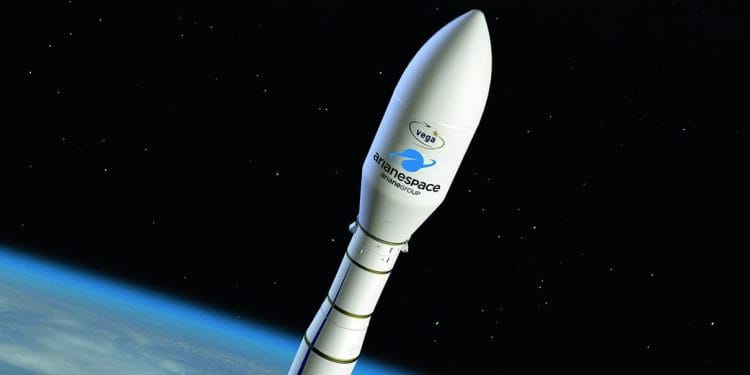
The VegaC rocket, developed by Arianespace and the European Space Agency (ESA), is poised for its much-anticipated return to flight after a challenging period marked by a failed launch in December 2022. The incident, which resulted in the loss of the rocket and its payload, raised serious concerns about the reliability of the VegaC program and prompted a thorough investigation into the causes of the failure.
After months of rigorous testing and modifications, the VegaC is scheduled to launch from the Guiana Space Centre in Kourou, French Guiana, with its next mission set for early 2024. This mission aims to deliver a payload that includes a series of small satellites designed for Earth observation and telecommunications, showcasing the versatility and capabilities of the VegaC rocket.
The 2022 disaster was attributed to a malfunction in the rocket’s guidance system, which led to the loss of control during ascent. In response, Arianespace implemented a series of upgrades and enhancements to the rocket’s design and operational procedures. These changes are expected to significantly improve the rocket’s performance and reliability, restoring confidence among commercial customers and stakeholders in the European space industry.
ESA Director General Josef Aschbacher expressed optimism about the upcoming launch, stating, “The VegaC program is crucial for maintaining Europe’s competitive edge in the global space market. We have learned valuable lessons from the previous incident and are committed to ensuring the success of this mission.”
The VegaC rocket is part of a broader family of launch vehicles that includes the original Vega and the heavier Ariane 6, which is also in development. The VegaC is designed to carry payloads of up to 2,500 kilograms to sun-synchronous orbits, making it an attractive option for a variety of commercial and scientific missions.
As the countdown to the VegaC’s return continues, the European space community is eagerly watching to see if the modifications and improvements will translate into a successful launch. A successful return to flight would not only mark a significant milestone for Arianespace but also reinforce Europe’s position as a key player in the global space industry, capable of competing with established players like SpaceX and Blue Origin.
The upcoming launch is a testament to the resilience and determination of the European space sector, which is committed to overcoming challenges and advancing space exploration. With the world watching, the VegaC rocket’s return could herald a new era of innovation and success for European space endeavors.