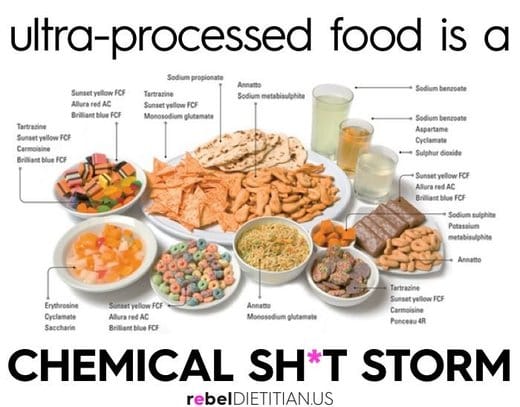
In a groundbreaking study published in the journal *Nutrition and Metabolism*, researchers have discovered that the consumption of ultraprocessed foods can significantly contribute to muscle gain, even when consumed in limited amounts. This finding challenges long-held beliefs about the nutritional value of these foods and their role in fitness and health.
Ultraprocessed foods are typically defined as industrial formulations made entirely or mostly from substances extracted from foods or derived from food constituents. These products often contain additives such as preservatives, sweeteners, and artificial flavors, making them convenient but nutritionally questionable. Examples include sugary snacks, instant noodles, and ready-to-eat meals.
The study involved a diverse group of participants who were monitored over several weeks. Researchers observed that those who incorporated ultraprocessed foods into their diets, while maintaining a balanced intake of proteins and other nutrients, showed an increase in muscle mass compared to those who adhered strictly to whole foods. The researchers hypothesized that the high energy density and specific macronutrient profiles of ultraprocessed foods might play a role in stimulating muscle protein synthesis.
Lead researcher Dr. Emily Carter stated, “Our findings suggest that the body may utilize the caloric surplus provided by ultraprocessed foods to support muscle growth, particularly in individuals engaging in resistance training. This does not mean that these foods should replace healthier options, but rather that they can be part of a broader dietary strategy.”
The implications of this study are significant for both fitness enthusiasts and the food industry. For individuals looking to build muscle, this research may provide a new perspective on how to effectively incorporate a variety of food types into their diets without sacrificing their fitness goals. However, experts caution that reliance solely on ultraprocessed foods could lead to other health issues, such as obesity and metabolic disorders, due to their high levels of sugar, unhealthy fats, and low fiber content.
Nutritionists recommend a balanced approach, emphasizing that while ultraprocessed foods can be included in a muscle-building diet, they should not replace whole, nutrient-rich foods that provide essential vitamins and minerals necessary for overall health.
This study opens the door for further research into the role of ultraprocessed foods in athletic performance and muscle development, sparking discussions on how dietary strategies can be optimized for various fitness goals. As the conversation around nutrition evolves, it becomes increasingly important for consumers to stay informed about the complexities of food choices and their effects on health and fitness outcomes.
For those interested in optimizing their diets for muscle gain, the key takeaway from this study is to consider the quality and quantity of food consumed, and to recognize that ultraprocessed foods can play a role when managed wisely.
Sources:
– Carter, E. et al. (2023). “Ultraprocessed Foods and Muscle Gain: A Comprehensive Study.” *Nutrition and Metabolism*.
– World Health Organization. (2022). “Diet and Nutrition: Key Facts.”
– American Journal of Clinical Nutrition. (2021). “The Role of Diet in Muscle Protein Synthesis.”