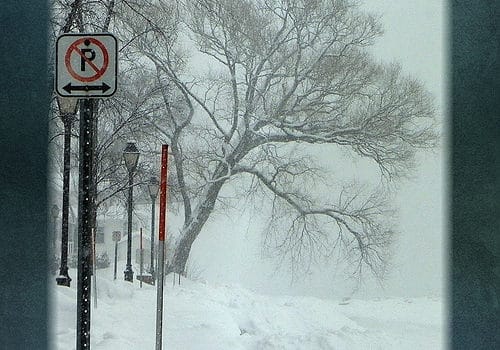
As winter continues to assert its presence across the United States, a major winter storm is on the horizon, poised to deliver a mix of heavy snow and ice from the Plains to the Mid-Atlantic regions. This storm is expected to develop in the coming days, bringing with it significant weather challenges that could impact travel, infrastructure, and daily life for millions of residents.
Meteorologists have been closely monitoring the system as it takes shape, with forecasts indicating that the storm will begin to affect the Plains by midweek. Areas such as Nebraska, Kansas, and parts of South Dakota are likely to experience the initial brunt of the storm, with predictions of accumulating snow and ice. The National Weather Service has issued advisories for these regions, warning residents to prepare for potentially dangerous conditions.
As the storm progresses, it is expected to move eastward, impacting the Mid-Atlantic states, including Virginia, Maryland, and Pennsylvania. The transition from snow to ice is a particular concern, as freezing rain can create treacherous conditions on roadways and lead to power outages due to ice accumulation on trees and power lines. Emergency services are preparing for the possibility of increased calls for assistance as the storm unfolds.
The winter storm is anticipated to bring varying amounts of snow and ice across the affected regions. In the Plains, some areas could see snowfall totals exceeding a foot, while others may experience a mix of rain and sleet. As the storm moves toward the Mid-Atlantic, snowfall totals are expected to vary widely, with some areas receiving several inches of snow, while others may see more significant ice accumulation.
Travel disruptions are a major concern as the storm approaches. Airlines have already begun to issue travel advisories and may implement flight cancellations or delays as conditions worsen. Motorists are urged to exercise caution and consider postponing travel plans during the height of the storm. State transportation departments are preparing to deploy snowplows and salt trucks to keep roadways clear and safe for essential travel.
In addition to travel impacts, the storm may also affect local businesses and schools. Many school districts are monitoring the situation closely and may opt for remote learning or closures depending on the severity of the weather. Local businesses, particularly those in the retail and service sectors, may also see changes in customer traffic as residents stay home to avoid hazardous conditions.
As the storm develops, it is crucial for residents in the affected areas to stay informed about the latest weather updates and advisories. The National Weather Service provides regular updates on storm progress, and local news outlets will also cover the situation as it unfolds. Residents are encouraged to prepare emergency kits with essential supplies, including food, water, medications, and flashlights, in case of power outages or prolonged adverse conditions.
While winter storms are a common occurrence in many parts of the United States, the potential for significant snowfall and ice makes this particular storm noteworthy. Communities are reminded of the importance of preparedness and safety during severe weather events. By taking proactive measures, residents can help ensure their safety and the safety of others during this winter storm.
In conclusion, the impending winter storm is expected to bring heavy snow and ice from the Plains to the Mid-Atlantic, creating a range of challenges for residents and local authorities. As the storm develops, it is essential for individuals and families to stay informed and prepared for the potential impacts on travel, daily life, and overall safety. With the right precautions and awareness, communities can navigate the challenges posed by this winter weather event.