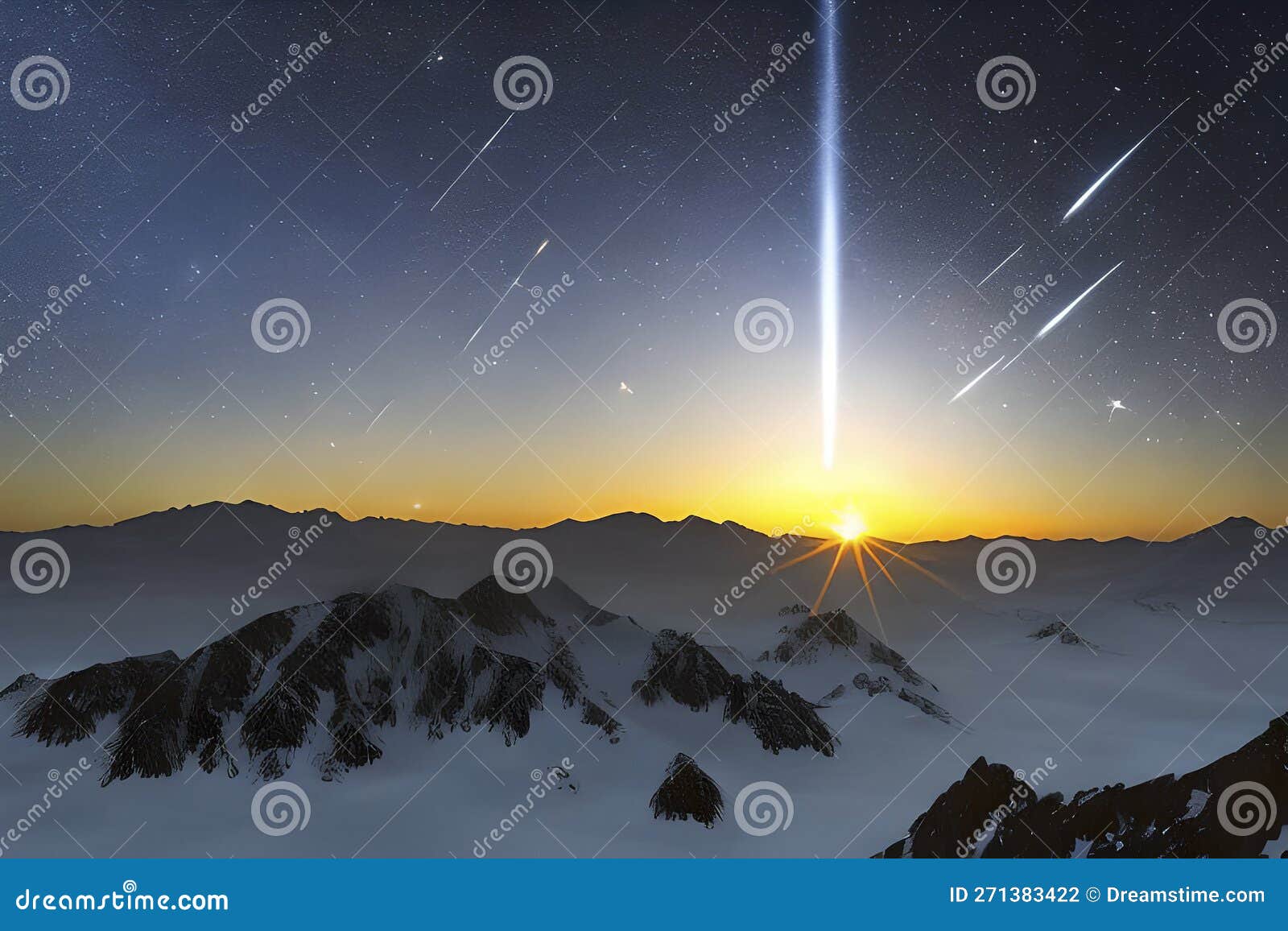
The Quadrantids meteor shower is one of the most anticipated astronomical events of the year, marking the first significant meteor shower of 2025. This year, the Quadrantids are expected to peak tonight, offering a spectacular display for skywatchers. With the potential to produce up to 120 meteors per hour under ideal conditions, the Quadrantids are known for their bright fireballs and relatively short peak duration. Understanding how to effectively observe this meteor shower can enhance the experience for both novice and seasoned astronomers alike.
The Quadrantids meteor shower originates from the debris left by the asteroid 2003 EH1, which is believed to be a dormant comet. As Earth passes through this debris field, particles enter the atmosphere at high speeds, creating the stunning streaks of light known as meteors. The Quadrantids are unique in that they tend to produce a higher number of bright meteors compared to other meteor showers, making them particularly appealing to observers.
To maximize your chances of witnessing the Quadrantids, it is essential to choose the right location for viewing. Ideally, observers should seek out dark areas away from city lights and other sources of light pollution. National parks, rural areas, or even backyards can serve as excellent viewing spots. The darker the sky, the more meteors will be visible. Additionally, it is advisable to find a location with an unobstructed view of the sky, allowing for a full panorama of the celestial display.
Timing is also crucial when it comes to meteor shower observation. The Quadrantids typically peak in the early morning hours, with the best viewing times occurring between midnight and dawn. This year, the peak is expected to occur around 2 a.m. local time, although meteors may be visible in the hours leading up to and following this peak. Observers should allow their eyes to adjust to the darkness, which can take about 20 to 30 minutes. This adjustment period is vital for spotting fainter meteors that may otherwise go unnoticed.
Dress appropriately for the weather, as January nights can be quite cold in many regions. Layered clothing, blankets, and reclining chairs can enhance comfort during the wait for meteors. It’s also a good idea to bring along snacks and drinks to keep energy levels up during the viewing session.
While it is possible to see meteors with the naked eye, using a pair of binoculars or a telescope is not recommended, as these tools limit the field of view and can make it more challenging to track the fast-moving meteors. Instead, observers should lie back and scan the sky with their eyes, allowing for a more immersive experience. The meteors will appear to radiate from the constellation Boötes, but they can be seen in all areas of the sky.
In addition to the Quadrantids, observers may also notice other celestial phenomena during the peak viewing times. The presence of other stars and constellations can add to the beauty of the night sky. For those interested in astronomy, this is an excellent opportunity to familiarize oneself with the winter constellations, such as Orion and Ursa Major.
For those unable to observe the Quadrantids in person, various online platforms and observatories often provide live streams of meteor shower events. These broadcasts can be a valuable resource for individuals who may not have access to suitable viewing locations or who prefer to experience the event from the comfort of their homes.
As the Quadrantids meteor shower peaks tonight, skywatchers around the globe are encouraged to take advantage of this celestial spectacle. With the right location, timing, and preparation, observers can enjoy a breathtaking display of meteors lighting up the night sky. Whether you are an experienced astronomer or simply someone looking to enjoy a beautiful night under the stars, the Quadrantids offer a unique opportunity to connect with the wonders of the universe.
In conclusion, the Quadrantids meteor shower serves as a reminder of the beauty and complexity of our universe. As we gather to watch the meteors streak across the sky, we are reminded of our place within the cosmos and the natural phenomena that continue to captivate humanity. So tonight, grab a blanket, find a dark spot, and prepare to witness the magic of the Quadrantids.