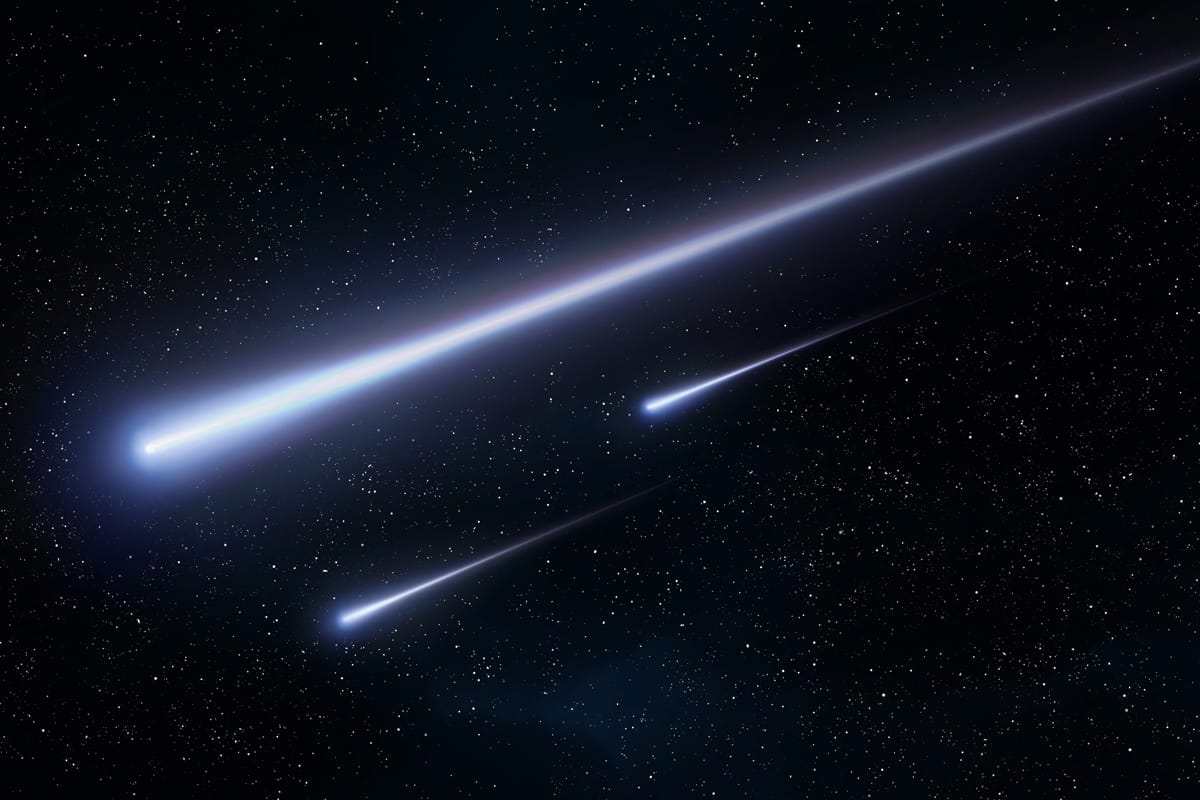
The Quadrantids meteor shower is one of the most significant astronomical events of the year, marking the first major meteor shower of 2025. Expected to reach its peak tonight, the Quadrantids are known for their bright meteors and high rates of visibility. This annual meteor shower occurs as Earth passes through the debris left by the asteroid 2003 EH1, which is believed to be the source of the Quadrantids.
For those eager to witness this celestial spectacle, understanding the best practices for viewing the meteor shower is essential. The Quadrantids are unique in that they have a sharp peak, meaning that the best time to observe them is limited to just a few hours. Astronomers predict that the peak will occur during the early hours of the night, specifically between midnight and dawn. To maximize the viewing experience, it is recommended to find a location with minimal light pollution, such as a rural area or a designated dark sky park.
When preparing for the viewing, it is advisable to dress warmly, as January nights can be quite cold in many regions. Bringing along a reclining chair or a blanket can enhance comfort while lying back to gaze at the sky. It is important to allow the eyes to adjust to the darkness, which typically takes about 20 minutes. This adjustment period will help observers see more meteors as their eyes become accustomed to the low light conditions.
The Quadrantids are particularly notable for their bright fireballs, which can be seen streaking across the sky at speeds of up to 41 miles per second. On a good night, viewers can expect to see up to 120 meteors per hour, although this number can vary based on atmospheric conditions and light pollution. Observers should keep an eye out for these bright flashes, which can appear in various colors due to the different chemical compositions of the meteoroids.
For those who may not have access to a prime viewing location, there are still ways to enjoy the meteor shower. Many astronomy clubs and organizations often host public viewing events where telescopes and knowledgeable guides are available to enhance the experience. Additionally, several online platforms may provide live streams of the meteor shower, allowing individuals to watch from the comfort of their homes.
It is also worth noting that the Quadrantids are a relatively short-lived meteor shower, with the peak lasting only a few hours. Therefore, timing is crucial for those wishing to see the most meteors. After the peak, activity will rapidly decline, making tonight’s viewing opportunity particularly special.
In addition to the Quadrantids, the winter sky offers other celestial wonders. The constellation Ursa Major, which contains the Big Dipper, is prominently visible during this time of year. Familiarizing oneself with the night sky can enhance the overall experience of meteor watching, as it provides context for the various stars and constellations that accompany the meteor shower.
As the Quadrantids peak approaches, it is an excellent opportunity for families, friends, and astronomy enthusiasts to gather and appreciate the beauty of the night sky. Encouraging children and young adults to engage in stargazing can foster a lifelong interest in astronomy and science.
In conclusion, the Quadrantids meteor shower is an exciting event that offers a unique opportunity to witness nature’s wonders. With the peak occurring tonight, individuals are encouraged to prepare adequately, find a suitable viewing location, and enjoy the spectacle of meteors lighting up the night sky. Whether watching alone or with others, the experience can be both awe-inspiring and educational, making it a memorable start to the astronomical events of 2025.