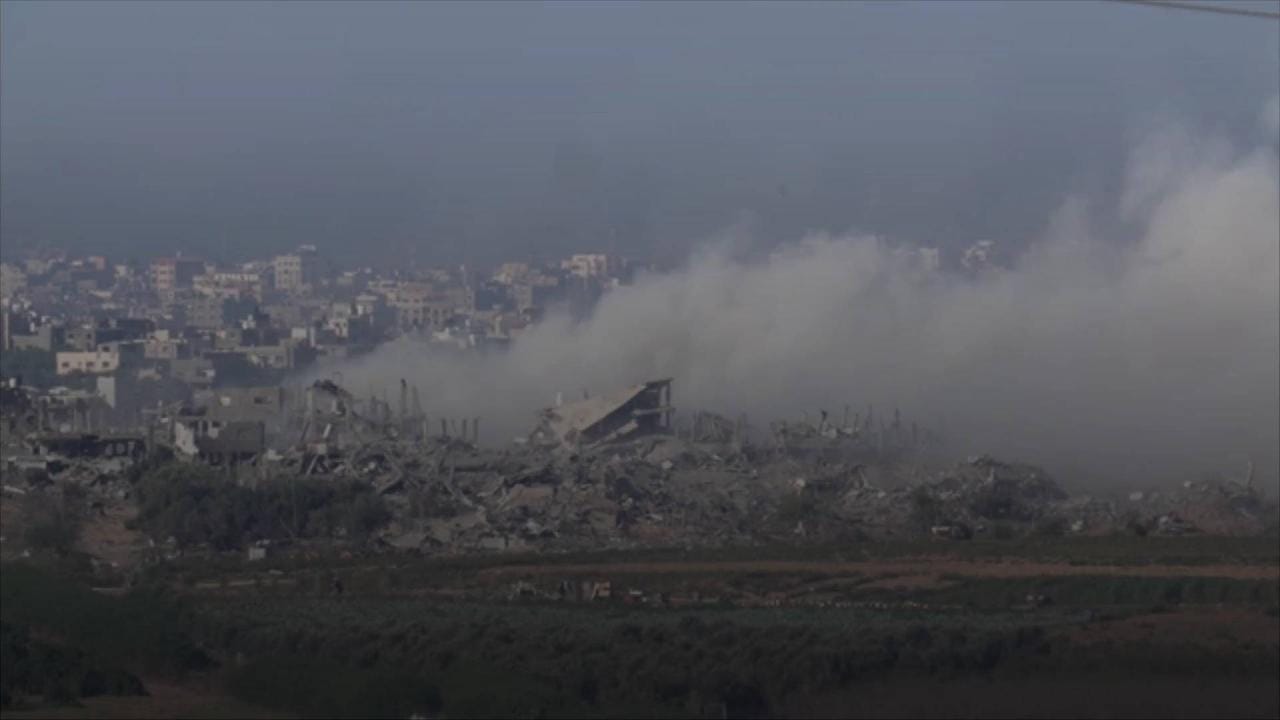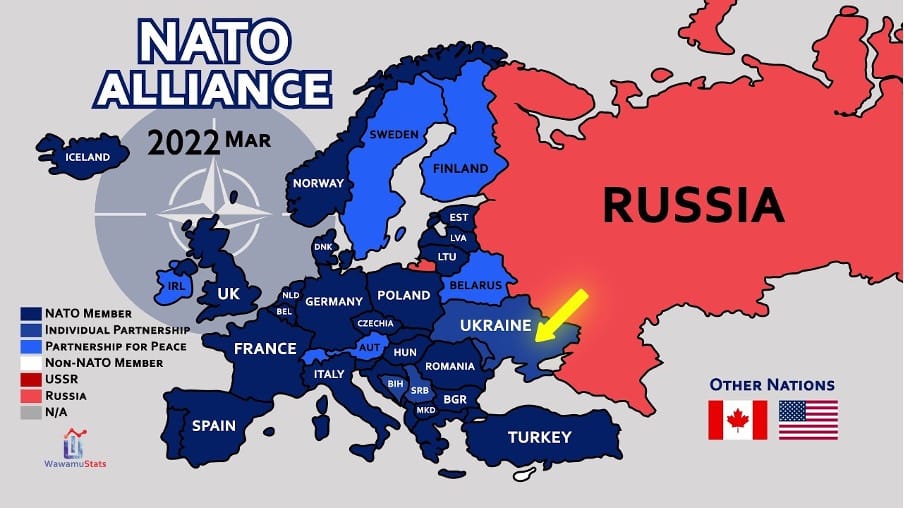
In a decisive move to bolster security in Eastern Europe, NATO has announced significant reinforcements to its eastern flank in response to escalating tensions with Russia. The alliance’s actions come as a direct reaction to Russia’s ongoing military activities, particularly in Ukraine and along its western borders, which have raised alarms among NATO member states.
In recent months, NATO has increased troop deployments, conducted large-scale military exercises, and enhanced its rapid response capabilities. The alliance is now focusing on strengthening its presence in countries such as Poland, the Baltic states, and Romania, where the threat of Russian aggression is perceived to be the highest.
NATO Secretary-General Jens Stoltenberg emphasized the importance of collective defense, stating, “We are committed to protecting every inch of NATO territory. Our enhanced presence in Eastern Europe is a clear signal that we will respond to any aggression against our allies.”
The recent NATO summit held in Vilnius, Lithuania, underscored the alliance’s commitment to deterrence and defense. Leaders discussed the need for increased military readiness and the importance of investing in defense capabilities. The summit also highlighted the necessity of unity among member states to face external threats effectively.
In addition to troop deployments, NATO is also focusing on improving infrastructure to support rapid reinforcements. This includes upgrading airfields, ports, and logistical networks to ensure that forces can be mobilized quickly in the event of a crisis.
Furthermore, NATO has been enhancing its partnerships with non-member countries in the region, such as Sweden and Finland, both of which have expressed interest in closer military cooperation with the alliance. This expansion of partnerships is seen as a crucial step in creating a more robust security environment in Northern Europe.
As tensions continue to simmer between Russia and the West, NATO’s actions reflect a broader strategy of deterrence aimed at preventing further aggression. The alliance’s commitment to collective defense remains unwavering, with member states increasingly recognizing the need for a united front in the face of potential threats.
The situation in Ukraine remains a focal point for NATO’s strategic considerations. The ongoing conflict has not only strained relations between Russia and the West but has also prompted NATO to reassess its defense posture in Europe. The alliance’s response to Russian aggression is likely to shape the security landscape of the region for years to come.
In conclusion, NATO’s reinforcement of its eastern flank serves as a critical measure to ensure the security of its member states amid rising tensions with Russia. The alliance’s commitment to collective defense and enhanced military readiness underscores the importance of unity in addressing contemporary security challenges.