The consumption of alcohol has long been a topic of discussion, particularly regarding its potential health effects. The question of whether having one drink a day is acceptable is complex and multifaceted. It involves not only the type of alcohol consumed but also individual health factors, lifestyle choices, and cultural attitudes towards drinking.
Research has indicated that moderate alcohol consumption may have certain health benefits, particularly in relation to cardiovascular health. Some studies suggest that individuals who consume alcohol in moderation may experience a lower risk of heart disease compared to those who abstain entirely. This has led to the popular notion that a daily drink, particularly red wine, can be beneficial due to its antioxidant properties and compounds like resveratrol. However, it is essential to approach these findings with caution.
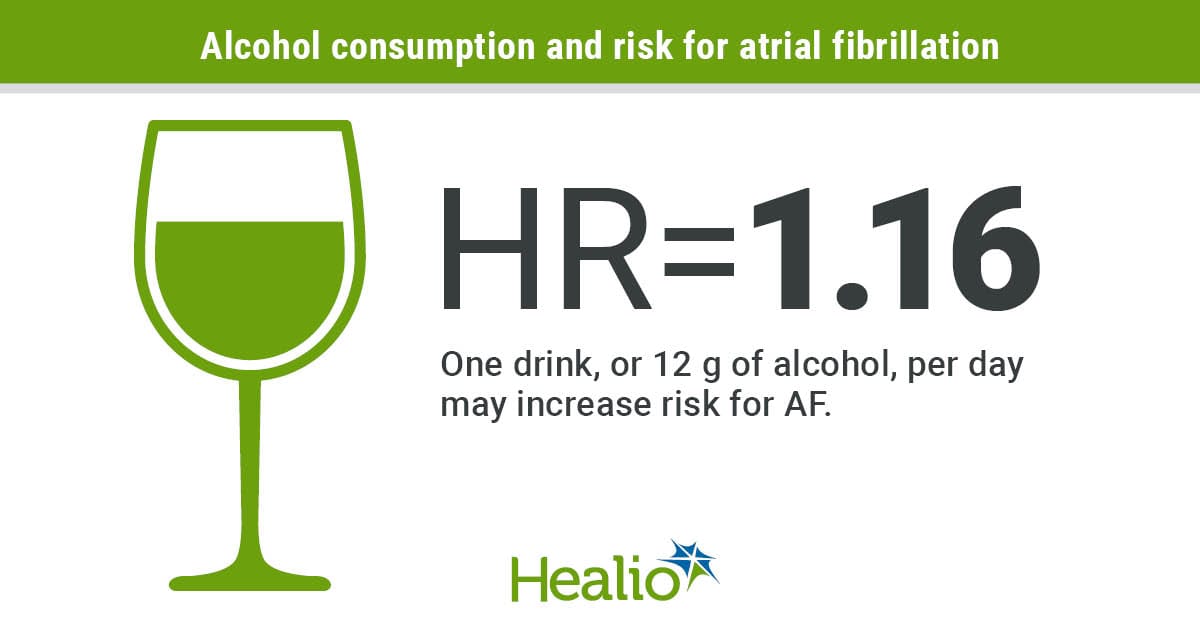
On the other hand, the potential risks associated with daily alcohol consumption cannot be overlooked. Regular intake of alcohol, even in moderate amounts, can lead to a range of health issues. These include an increased risk of developing certain cancers, liver disease, and mental health disorders. Furthermore, the definition of moderate drinking can vary significantly between individuals, influenced by factors such as age, sex, weight, and overall health.
For instance, the Centers for Disease Control and Prevention (CDC) defines moderate drinking as up to one drink per day for women and up to two drinks per day for men. However, this guideline does not account for individual health conditions that may exacerbate the effects of alcohol. For individuals with a history of alcohol use disorder, liver disease, or certain mental health conditions, even a small amount of alcohol can pose significant risks.
Another critical aspect to consider is the type of alcoholic beverage consumed. Different types of alcohol can have varying effects on the body. For example, while red wine is often touted for its health benefits, other alcoholic beverages may not offer the same advantages. Additionally, the way alcohol is consumed—whether with food or on an empty stomach—can also influence its effects on health.
Social and cultural factors play a significant role in alcohol consumption patterns. In some cultures, drinking is a social norm, and having a daily drink may be seen as acceptable or even encouraged. In contrast, other cultures may view daily drinking as problematic. Understanding the cultural context of alcohol consumption can provide insight into individual attitudes and behaviors regarding drinking.
It is also essential to consider the psychological aspects of alcohol consumption. For some individuals, having a daily drink may become a ritual or a coping mechanism for stress. This can lead to a reliance on alcohol for emotional regulation, which can be detrimental to mental health. Recognizing the motivations behind daily drinking is crucial in assessing whether it is a healthy choice for an individual.
In recent years, there has been a growing trend towards alcohol-free alternatives and mindful drinking. Many individuals are choosing to reduce their alcohol intake or abstain altogether, seeking healthier lifestyle choices. This shift reflects a broader awareness of the potential risks associated with alcohol consumption and a desire for improved overall health.
Ultimately, the decision to consume one drink a day should be made on an individual basis, taking into account personal health, lifestyle, and social factors. Consulting with a healthcare professional can provide valuable guidance tailored to individual circumstances. It is essential to weigh the potential benefits against the risks and to consider how daily drinking fits into one’s overall health and wellness goals.
In conclusion, the question of whether one drink a day is acceptable is not a straightforward one. It requires careful consideration of various factors, including individual health conditions, the type of alcohol consumed, and the broader social and cultural context. By approaching this topic with a balanced perspective, individuals can make informed decisions about their alcohol consumption and its impact on their health.

