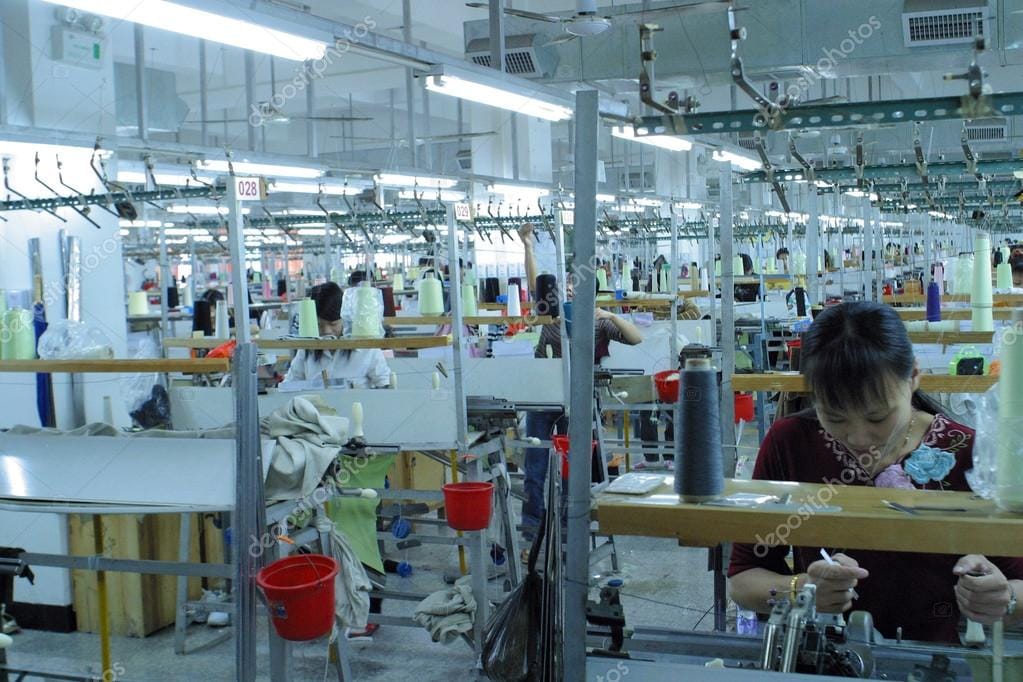
China’s manufacturing sector experienced a contraction in activity during January, according to the latest Purchasing Managers’ Index (PMI) data. This unexpected downturn follows a period of fluctuation and raises questions about the strength of the country’s manufacturing base at the beginning of the year. The PMI, a key indicator of economic health, provides a snapshot of activity within the manufacturing sector, and a reading below 50 indicates a contraction. While the exact figures may vary slightly depending on the reporting agency, the overall trend points towards a decrease in factory output and new orders. This contraction contrasts with earlier projections and market expectations that had anticipated a more stable or potentially even slightly positive start to the year for the manufacturing industry. The manufacturing sector plays a critical role in China’s economy, accounting for a significant portion of its gross domestic product and employment figures. Any slowdown in this sector can have ripple effects throughout the broader economic landscape. The reasons for this unexpected contraction are multifaceted, possibly linked to a combination of factors, including weaker global demand, seasonal adjustments and domestic supply chain disruptions. Further analysis will be required to determine the relative weight of these various influences.
Conversely, December saw a notable jump in industrial profits, indicating a positive development at the end of the previous year. These profits represent the financial performance of industrial firms and provide insights into their operational efficiency and profitability. The increase in profits is a positive sign for the industrial sector, suggesting that companies were able to capitalize on market opportunities, manage costs effectively, or benefit from increased demand during the final month of the year. It could also suggest a delayed effect of previous economic stimuli or a boost in demand prior to the new year. A detailed breakdown of industrial profit data will provide further understanding as to which sectors experienced the most growth and what factors were the driving forces behind this increase. The dichotomy between the contraction in manufacturing activity in January and the rise in industrial profits in December paints an intricate economic picture for China. This divergence underscores the complexities in assessing the health of the Chinese economy, requiring the analysis of multiple indicators and a thorough examination of the underlying factors. It is crucial to monitor these developments closely as they can have an impact on domestic and international markets. This contrasting economic activity makes it difficult to draw any simple conclusions about the overall economic health of the country. The January PMI contraction raises concerns about whether the positive performance in December can be sustained and whether it translates into long-term economic health.
The differing performance in the manufacturing sector and industrial profits highlights the delicate balance that China’s economy must navigate. While increased profits are encouraging, the contraction in manufacturing activity indicates potential weaknesses and uncertainties in the economic environment that need to be addressed. The Chinese government and relevant economic bodies will likely be closely monitoring these indicators as they formulate their economic plans and strategies for the year. Understanding the reasons behind the January contraction is important for policymakers as they seek to implement effective policies to boost growth and stability. These policies could include adjustments to fiscal or monetary policies, targeted support to specific industries, or strategies to boost both domestic and international demand. In the upcoming months it will be necessary to monitor the direction of these two economic indicators to ascertain the true trajectory of the Chinese economy. Further monitoring of the Chinese economy will include factors such as inflation levels, unemployment rates, consumer confidence and trade figures. The interrelationship between these various indicators will be critical in assessing the overall health and prospects for the Chinese economy in the coming year. Experts and analysts will be seeking to determine whether the contraction in January is a temporary fluctuation or indicates a more significant underlying weakness. These analysts are carefully considering the specific industries that were most affected and what implications this holds for the rest of the economy. It remains to be seen how these factors develop over the next few months and the ultimate impact on the Chinese economy.