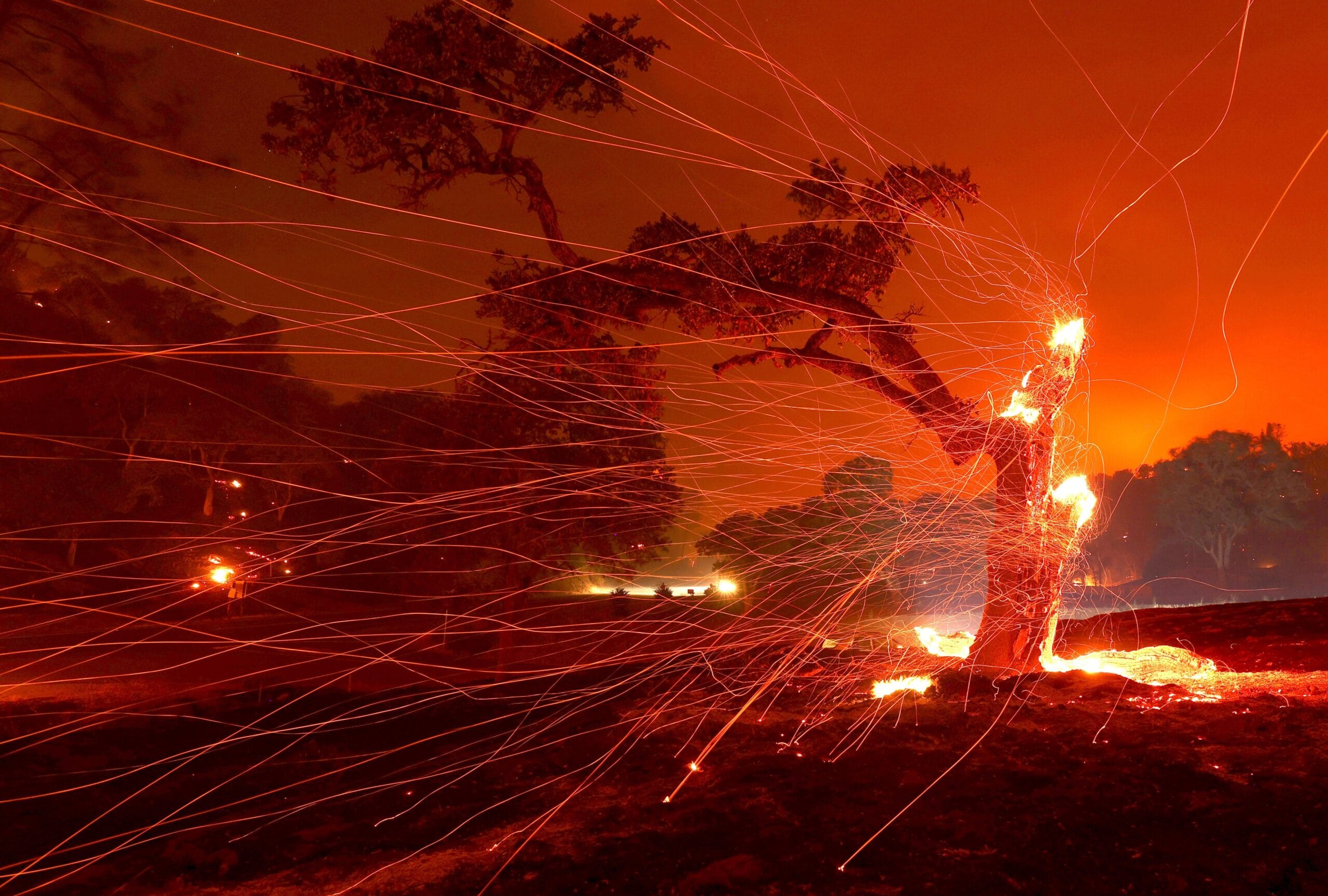
The state of California is once again facing the devastating impact of wildfires, a recurring challenge that has become emblematic of the broader issues related to climate change and emergency management. As flames consume vast areas of land, displacing residents and threatening ecosystems, the political landscape is also heating up. California Democrats are gearing up for what could be a contentious relationship with former President Donald Trump, who has previously criticized the state’s handling of wildfires and its environmental policies.
The current wildfire season has already seen significant destruction, with thousands of acres burned and numerous communities under evacuation orders. The intensity and frequency of these fires have raised alarms among scientists and policymakers alike, who point to climate change as a driving factor. In response, California Democrats are advocating for more robust climate policies and increased funding for fire prevention and response efforts. However, they are also bracing for potential clashes with Trump, who has a history of downplaying the role of climate change in natural disasters.
Trump’s administration was marked by a rollback of numerous environmental regulations, which many Democrats argue exacerbated the conditions leading to more severe wildfires. As the former president continues to wield considerable influence within the Republican Party, his comments and actions regarding California’s wildfire management are likely to be closely scrutinized. This dynamic sets the stage for a renewed political battle, as Democrats seek to hold Trump accountable for his past policies while also pushing for immediate action to address the current crisis.
In the wake of the wildfires, California Governor Gavin Newsom has called for a comprehensive approach to disaster management that includes not only firefighting resources but also long-term strategies to mitigate the effects of climate change. This includes investments in renewable energy, forest management, and community resilience programs. Newsom’s administration has emphasized the need for federal support in these efforts, which could lead to further tensions with Trump, who has previously threatened to withhold federal disaster aid to states he perceives as not adequately managing their resources.
The political implications of the wildfires extend beyond immediate disaster response. As the 2024 presidential election approaches, California is expected to play a crucial role in shaping national conversations around climate policy and disaster preparedness. Democrats are likely to use the current crisis as a platform to highlight the differences between their approach to environmental issues and that of Trump and his supporters. This could involve not only direct confrontations but also strategic messaging aimed at mobilizing voters who prioritize climate action.
Moreover, the wildfires have sparked discussions among California Democrats about the need for a unified front in addressing climate change. With various factions within the party advocating for different approaches, the urgency of the situation may compel leaders to come together to present a cohesive strategy. This could involve collaboration with environmental groups, local governments, and community organizations to ensure that the voices of those most affected by the wildfires are heard in the policymaking process.
As the situation unfolds, the response to the wildfires will likely serve as a litmus test for the effectiveness of California’s climate policies and emergency management strategies. The outcome of this crisis could have lasting implications for the state’s political landscape, particularly as it relates to the ongoing rivalry with Trump and the Republican Party. The stakes are high, not only for the immediate safety and well-being of Californians but also for the broader national discourse on climate change and environmental responsibility.
In conclusion, California Democrats are facing a dual challenge as they navigate the immediate crisis of wildfires while preparing for potential political confrontations with Trump. The intersection of environmental policy and political strategy will be critical in shaping the state’s response to this ongoing disaster. As the flames continue to rage, the eyes of the nation will be on California, watching how its leaders respond to both the natural and political challenges ahead.