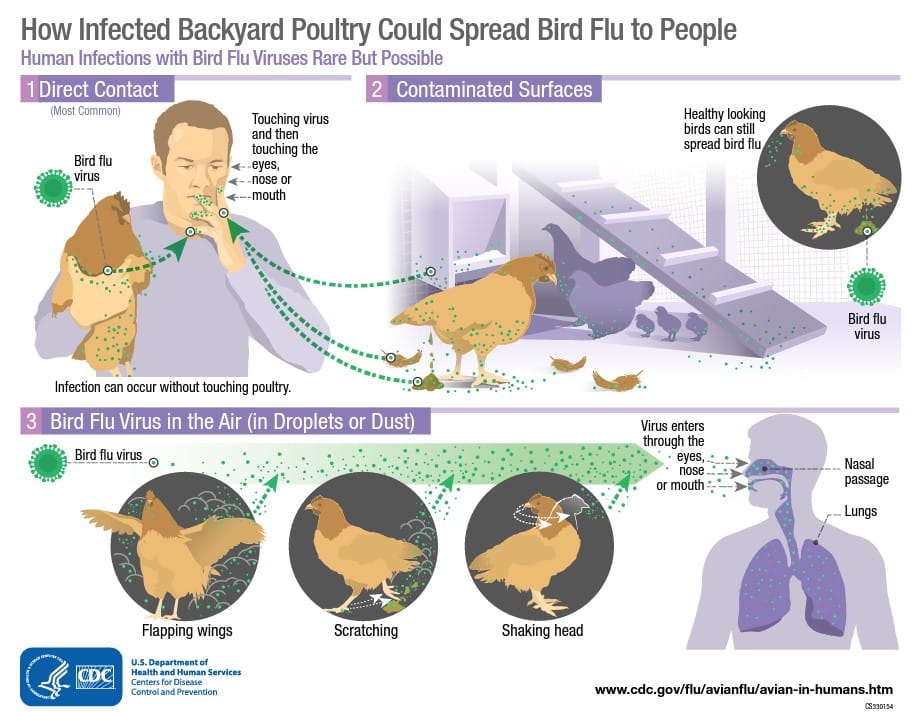
In recent months, avian influenza, commonly known as bird flu, has emerged as a significant threat to both animal and human health. The World Health Organization (WHO) and the Food and Agriculture Organization (FAO) have reported a rise in H5N1 cases across various regions, including Asia, Europe, and North America. These outbreaks are not only affecting poultry industries but also raising alarms about the potential for zoonotic transmission to humans.
According to the WHO, there have been multiple instances where H5N1 has crossed the species barrier, resulting in human infections. As of October 2023, the organization has documented over 900 cases of H5N1 in humans since 2003, with a mortality rate of approximately 53%. The recent uptick in outbreaks among birds, particularly in migratory populations, has heightened concerns that the virus could mutate and become more easily transmissible among humans.
The Centers for Disease Control and Prevention (CDC) has recommended enhanced surveillance for bird flu in both domestic and wild bird populations. They emphasize the importance of biosecurity measures on farms to prevent the spread of the virus. This includes practices such as restricting access to poultry facilities, maintaining strict hygiene protocols, and monitoring the health of birds regularly.
Experts are particularly concerned about the potential for H5N1 to combine with other influenza viruses, potentially leading to a new pandemic strain. Dr. Maria Van Kerkhove, WHO’s technical lead on COVID-19, stated, “We need to remain vigilant. The risks posed by avian influenza should not be underestimated, especially as we continue to see cases in birds and sporadic cases in humans.”
The economic implications of bird flu outbreaks are also significant. The poultry industry faces substantial losses due to culling infected flocks and trade restrictions imposed by countries aiming to protect their own poultry sectors. The FAO has estimated that the economic impact of avian influenza can reach billions of dollars, highlighting the need for coordinated global response efforts.
As the world grapples with the ongoing effects of COVID-19, the emergence of bird flu as a rising threat underscores the importance of preparedness and response strategies for infectious diseases. Public health officials are urging increased funding for research and development of vaccines for both birds and humans to combat potential outbreaks.
In conclusion, the rise of bird flu cases globally is a pressing concern that requires immediate attention from health authorities, governments, and the poultry industry. Heightened surveillance, biosecurity measures, and international cooperation will be essential in mitigating this threat and preventing a potential pandemic.


