The Quadrantids meteor shower is one of the most anticipated astronomical events of the year, and in 2025, it promises to be a spectacular sight for stargazers around the globe. This meteor shower is unique due to its brief peak and the intensity of meteors that can be observed. Understanding how to catch the Quadrantids effectively involves preparation, knowledge of timing, and selecting the right viewing location.
The Quadrantids typically peak between January 3 and January 4 each year. In 2025, the shower is expected to reach its maximum activity during the early morning hours of January 4. During this peak, observers can expect to see as many as 120 meteors per hour under ideal conditions. However, the Quadrantids are known for their short-lived peak, which lasts only a few hours, making timing crucial for anyone hoping to catch a glimpse of this celestial event.
To maximize your chances of seeing the Quadrantids, it is important to find a location with minimal light pollution. Urban areas often have excessive artificial lighting that can obscure the visibility of meteors. Therefore, it is advisable to head to rural areas or designated dark sky parks where the night sky is unobstructed. Before heading out, check local weather conditions to ensure clear skies; cloudy weather can significantly diminish visibility.
In addition to finding a suitable location, preparation is key to an enjoyable meteor shower experience. Dress warmly, as January nights can be extremely cold, especially in northern regions. Layering clothing is recommended to maintain body heat while remaining comfortable. Bring along blankets or reclining chairs to lie back and comfortably gaze at the night sky. Snacks and hot beverages can also enhance the experience, allowing for a more enjoyable evening of meteor watching.
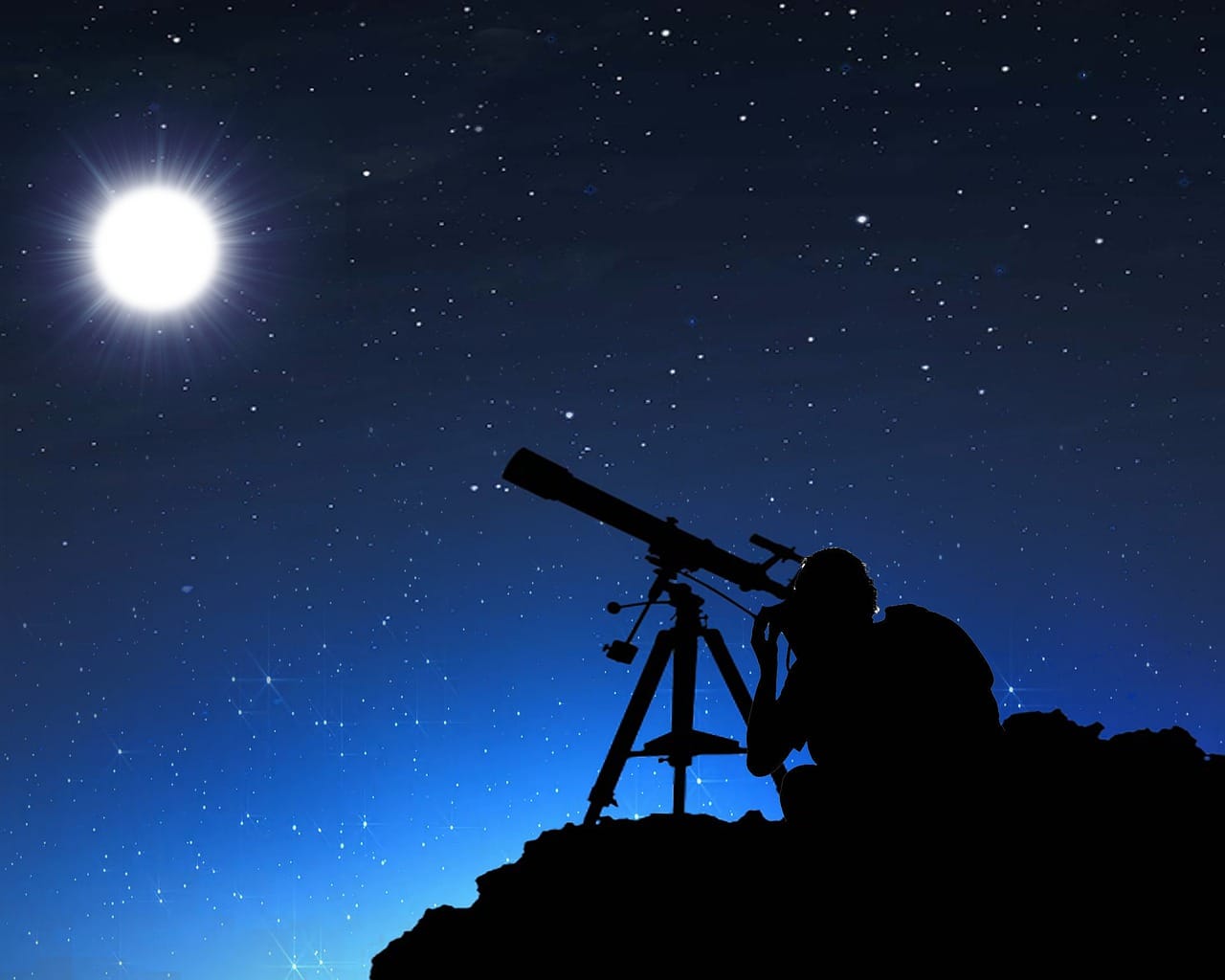
As the Quadrantids are known for their bright fireballs, it is crucial to allow your eyes to adjust to the darkness. It typically takes about 20 to 30 minutes for your eyes to adapt, so it is advisable to arrive at your chosen location well in advance of the peak viewing time. Once adjusted, it is best to lie back and take in the entire sky rather than focusing on one specific area. The meteors can appear anywhere in the sky, so having a wide field of view will increase the chances of spotting them.
The Quadrantids originate from an asteroid named 2003 EH1, which is believed to be a fragment of a comet. As Earth passes through the debris trail left by this asteroid, the particles enter the atmosphere at high speeds, creating the stunning streaks of light we see as meteors. The Quadrantids are known for their bright colors, often appearing in shades of blue and green, which adds to the excitement of observing this meteor shower.
In 2025, the moon will be in a waxing gibbous phase during the peak of the Quadrantids, which means it will be relatively bright in the night sky. This could potentially hinder visibility, as the moonlight may wash out some of the fainter meteors. However, the brightness of the Quadrantids themselves often compensates for this, so observers should still be able to see a significant number of meteors.
For those who may not be able to observe the Quadrantids in person, many astronomy organizations and observatories often provide live streams of meteor showers. This can be a great alternative for those who are unable to travel or who live in areas with poor visibility. Additionally, social media platforms frequently feature posts and videos from enthusiasts sharing their experiences of the meteor shower, which can provide a sense of connection to the event even from afar.
In summary, catching the Quadrantids meteor shower in 2025 can be a thrilling experience for both seasoned astronomers and casual stargazers. By planning ahead, choosing a suitable viewing location, and preparing for the cold, observers can enhance their chances of witnessing one of nature’s most captivating displays. As the night of January 4 approaches, the excitement builds for what promises to be a memorable celestial event.