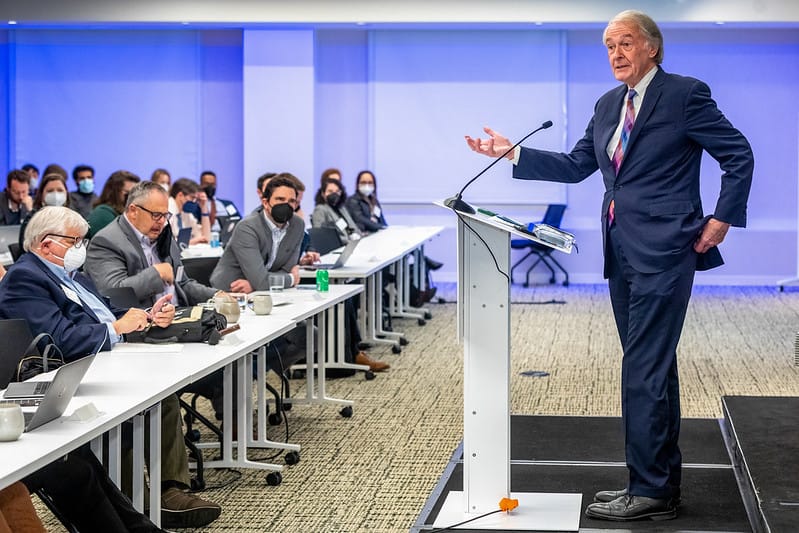
In a significant move that underscores the ongoing debate surrounding social media regulation, Senator Ed Markey has announced his intention to introduce a bill that would extend the deadline for a potential ban on TikTok. This legislation is poised to take center stage in the Senate, where it will be discussed in the context of fostering vibrant online communities. The senator’s proposal comes amid growing concerns about the implications of a TikTok ban, particularly for the millions of users who utilize the platform for creative expression, social interaction, and community building.
The backdrop of this legislative effort is the increasing scrutiny that TikTok has faced from lawmakers and regulatory bodies in the United States. Concerns about data privacy, national security, and the influence of foreign entities have fueled discussions about the platform’s future. However, Senator Markey’s bill aims to shift the focus from outright bans to a more nuanced approach that considers the value of online communities and the role they play in modern society.
In his statement regarding the bill, Senator Markey emphasized the importance of protecting the rights of users to engage in digital spaces that foster creativity and connection. He noted that platforms like TikTok have become essential for many individuals, particularly younger generations, who rely on these spaces to express themselves, share ideas, and connect with others. The senator’s advocacy for vibrant online communities reflects a growing recognition of the positive aspects of social media, even amidst concerns about its potential risks.
The proposed legislation seeks to extend the deadline for any potential ban on TikTok, allowing for further examination of the platform’s impact on users and society as a whole. By delaying any drastic measures, Senator Markey hopes to encourage a more comprehensive dialogue about the future of social media regulation. This approach aligns with a broader trend among lawmakers who are increasingly aware of the need to balance regulation with the preservation of digital spaces that promote community engagement.
As the bill prepares to take the Senate floor, it is expected to garner attention from both supporters and critics. Advocates of the legislation argue that it represents a necessary step toward ensuring that users can continue to engage with platforms that have become integral to their lives. They contend that a ban could disproportionately affect marginalized communities and stifle the creative expression that thrives on platforms like TikTok.
On the other hand, critics of the bill may raise concerns about the potential risks associated with TikTok, particularly regarding data privacy and security. The platform has faced scrutiny over its data handling practices and its ties to China, leading some lawmakers to advocate for stricter regulations or outright bans. The upcoming discussions in the Senate will likely reflect these competing perspectives, as lawmakers weigh the importance of user engagement against the need for robust data protection measures.
In addition to the legislative implications, Senator Markey’s proposal also highlights a broader conversation about the role of social media in contemporary society. As digital platforms continue to evolve, the need for thoughtful regulation that considers the diverse needs of users has become increasingly apparent. The senator’s focus on vibrant online communities serves as a reminder that social media is not merely a tool for communication but a vital space for connection, creativity, and community building.
As the bill moves forward, it will be essential for lawmakers to engage with a wide range of stakeholders, including users, industry experts, and advocacy groups. By fostering an inclusive dialogue, the Senate can better understand the complexities of social media regulation and the potential consequences of any legislative actions. The outcome of this legislative effort could have far-reaching implications for the future of TikTok and other social media platforms, shaping the landscape of online engagement for years to come.
In conclusion, Senator Ed Markey’s proposal to extend the deadline for a potential TikTok ban represents a significant moment in the ongoing discourse surrounding social media regulation. By advocating for vibrant online communities, the senator is calling for a balanced approach that recognizes the importance of user engagement while addressing legitimate concerns about data privacy and security. As the bill takes to the Senate floor, it will undoubtedly spark important discussions about the future of social media and its role in society.

