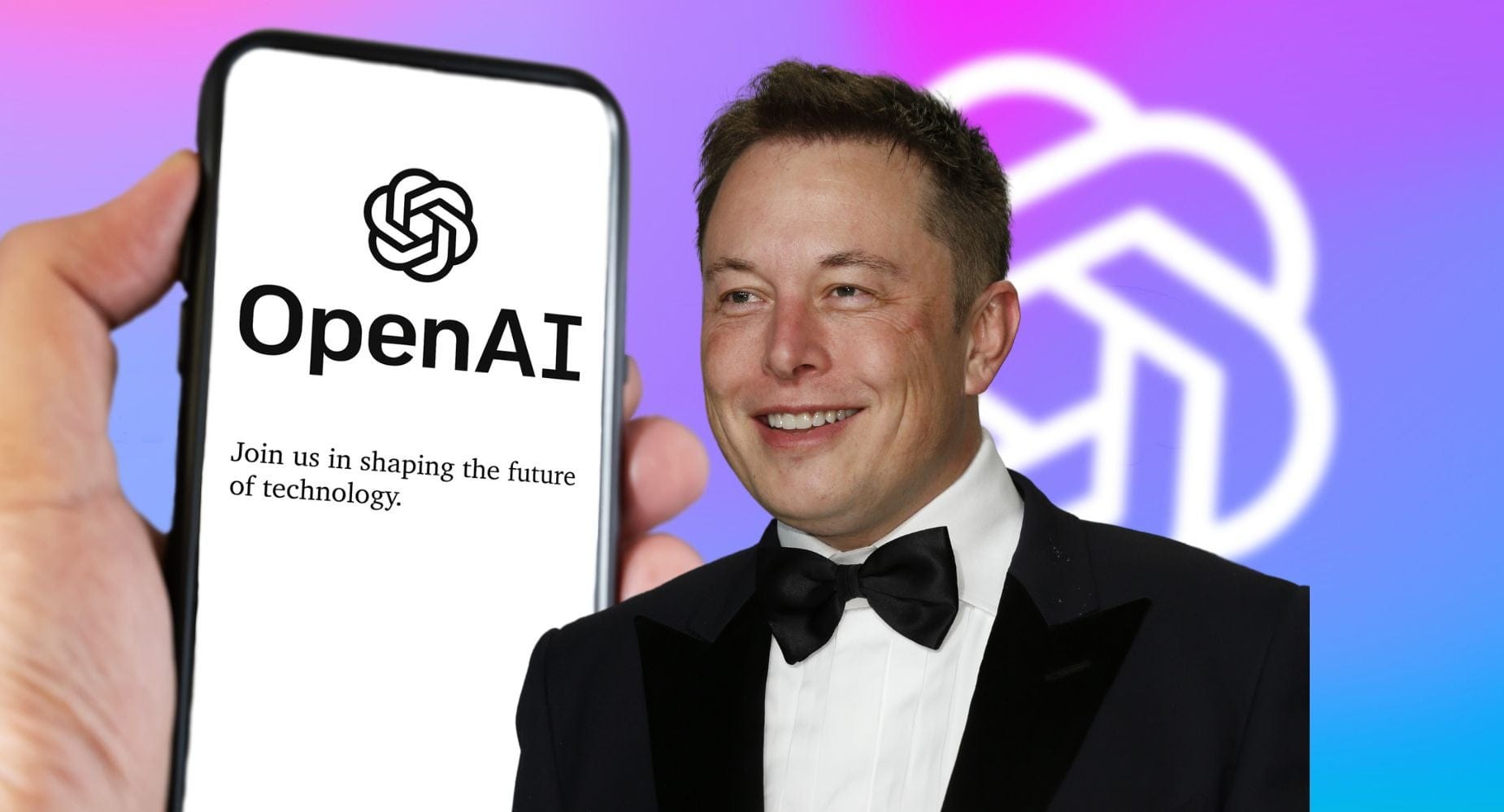
In a recent move aimed at enhancing transparency, OpenAI has published a selection of internal emails from co-founder Elon Musk that provide insight into his early thoughts on the organization’s structure. The correspondence, dating back to the inception of OpenAI, indicates that Musk initially favored a for-profit model as a means to attract necessary funding and ensure sustainability for the ambitious project.
The emails reveal a strategic mindset that Musk believed was essential for the long-term viability of OpenAI. In the early discussions, Musk outlined the challenges associated with securing investments in a non-profit framework, arguing that a for-profit model could facilitate the rapid growth and development of artificial intelligence technologies. This perspective reflected Musk’s understanding of the competitive landscape in the tech industry, where substantial financial backing is often required to drive innovation.
Musk’s correspondence also highlights his vision for OpenAI as a leader in artificial intelligence research and development. He expressed concerns about the potential risks associated with AI technologies and emphasized the importance of having sufficient resources to address these challenges effectively. By advocating for a for-profit structure, Musk aimed to create an organization that could attract top talent and invest heavily in research, thereby positioning OpenAI at the forefront of AI advancements.
The release of these emails comes at a time when OpenAI is facing scrutiny over its operational choices and the implications of its technology on society. As the organization evolves, the decisions made during its formative years continue to resonate in current discussions about AI ethics, safety, and governance. By disclosing Musk’s early communications, OpenAI seeks to clarify its foundational principles and the rationale behind its chosen operational model.
In the context of the broader AI landscape, the debate over for-profit versus non-profit structures remains a contentious issue. Proponents of for-profit models argue that they enable organizations to scale rapidly and attract investment, which is crucial for technological advancement. Conversely, critics contend that profit-driven motives can lead to ethical compromises and a lack of accountability, particularly in fields with significant societal impact, such as artificial intelligence.
OpenAI’s decision to publish these emails is part of a larger trend toward transparency in the tech industry. As stakeholders increasingly demand accountability from organizations developing powerful technologies, companies are recognizing the importance of openly sharing their decision-making processes. By releasing internal communications, OpenAI aims to foster trust and demonstrate its commitment to ethical practices in AI development.
The emails also illustrate the complexities of governance in organizations that operate at the intersection of technology and ethics. Musk’s early advocacy for a for-profit structure raises questions about the balance between innovation and responsibility. As OpenAI continues to navigate these challenges, the insights from Musk’s correspondence may serve as a reference point for ongoing discussions about the future of artificial intelligence and its role in society.
In conclusion, the release of Elon Musk’s internal emails sheds light on the foundational decisions that shaped OpenAI’s operational framework. His initial preference for a for-profit structure underscores the challenges of funding and scaling in the competitive tech landscape. As OpenAI moves forward, the organization faces the dual task of advancing AI technologies while ensuring ethical considerations remain at the forefront of its mission. The ongoing dialogue surrounding these issues will likely influence the trajectory of AI development and its implications for society as a whole.