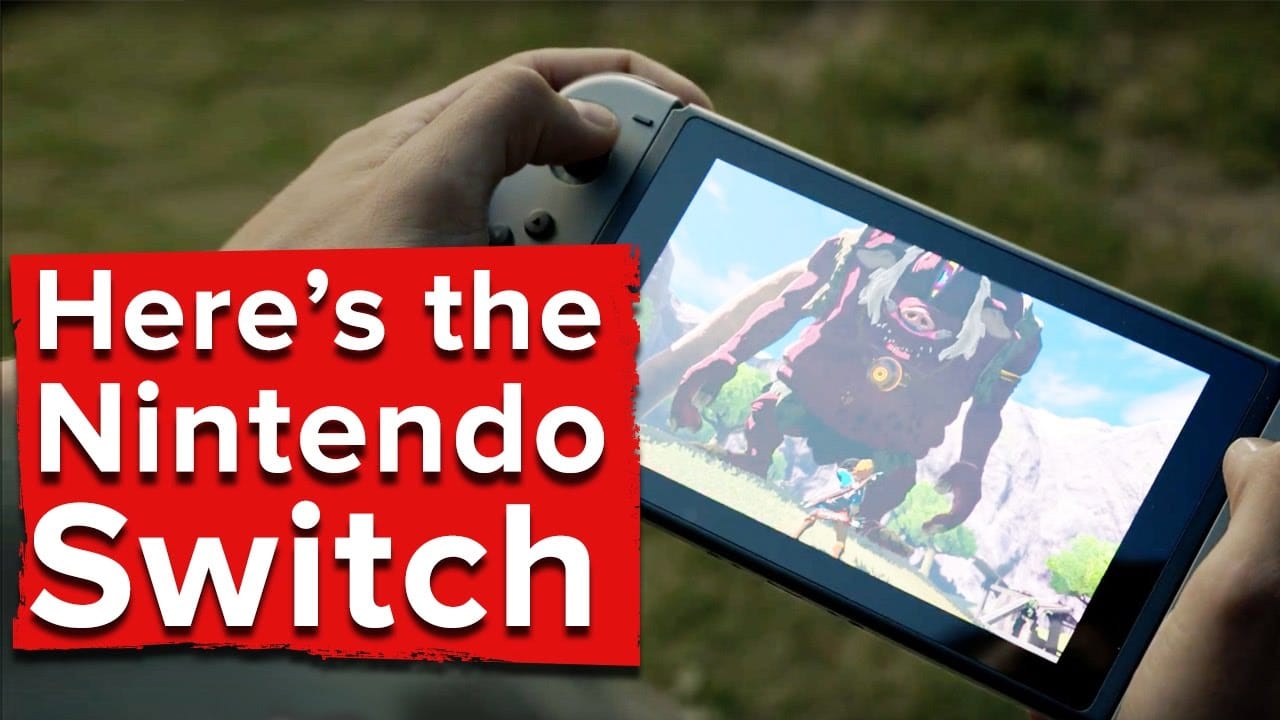
Nintendo, a leading player in the global gaming industry, has recently faced a notable downturn in its stock value following the announcement of the much-anticipated Switch 2. Investors and analysts had high hopes for the new console, expecting it to build on the success of its predecessor, the Nintendo Switch, which has sold over 100 million units since its launch in 2017. However, the details revealed during the announcement did not resonate with the market, leading to a sharp decline in Nintendo’s shares.
The Switch 2 was unveiled during a press event that aimed to showcase the console’s capabilities and features. However, many industry experts and fans were left underwhelmed by the presentation. Key features that were expected to be groundbreaking were either absent or did not meet the high expectations set by the gaming community. The lack of innovative technology, such as advanced graphics or unique gameplay mechanics, raised concerns about the console’s competitiveness in a rapidly evolving market.
As a result of the announcement, Nintendo’s stock price fell by approximately 10% in the days following the event. This decline has raised alarms among investors, who are now questioning the company’s ability to maintain its market position against competitors like Sony and Microsoft. Both companies have made significant strides in the gaming industry, with their respective consoles, the PlayStation 5 and Xbox Series X, receiving positive reviews and strong sales figures.
The gaming industry is currently experiencing a shift towards more powerful hardware and immersive gaming experiences. As consumers increasingly demand high-quality graphics and innovative gameplay, the pressure is on Nintendo to deliver a product that meets these expectations. The Switch 2 was seen as an opportunity for Nintendo to reclaim its position as a leader in the gaming market, but the recent announcement has left many wondering if the company can adapt to the changing landscape.
In addition to the stock decline, analysts have begun to revise their forecasts for Nintendo’s financial performance in the coming quarters. Many are now predicting a slowdown in sales growth, particularly if the Switch 2 fails to capture the interest of gamers. The company’s reliance on its existing titles and franchises may not be enough to sustain its revenue if the new console does not perform well in the market.
Furthermore, the announcement has sparked discussions about Nintendo’s overall strategy in the gaming industry. The company has historically focused on family-friendly games and innovative gameplay experiences, but the competitive landscape has shifted towards more mature and complex gaming experiences. As a result, some analysts are questioning whether Nintendo’s approach is still viable in a market that increasingly favors high-performance hardware and expansive game libraries.
The underwhelming announcement of the Switch 2 also raises questions about Nintendo’s ability to attract third-party developers. Many developers are looking for platforms that can support advanced graphics and gameplay mechanics, and if the Switch 2 does not meet these requirements, it may struggle to secure a robust library of games. This could further hinder the console’s success and impact Nintendo’s long-term growth prospects.
In response to the stock decline and investor concerns, Nintendo has stated that it remains committed to delivering high-quality gaming experiences. The company has emphasized its focus on innovation and creativity, which have been hallmarks of its success in the past. However, the challenge will be to translate this commitment into a product that resonates with consumers and stands out in a crowded market.
As the gaming industry continues to evolve, Nintendo faces a critical juncture. The company must navigate the challenges posed by competitors while also addressing the expectations of its loyal fan base. The success of the Switch 2 will be pivotal in determining Nintendo’s future trajectory and its ability to maintain its status as a leading player in the gaming world.
In conclusion, the announcement of the Switch 2 has led to a significant slump in Nintendo’s shares, reflecting investor disappointment and concerns about the console’s market viability. As the company moves forward, it will need to reassess its strategy and ensure that it can deliver a product that meets the demands of today’s gamers. The coming months will be crucial for Nintendo as it seeks to regain investor confidence and solidify its position in the competitive gaming landscape.