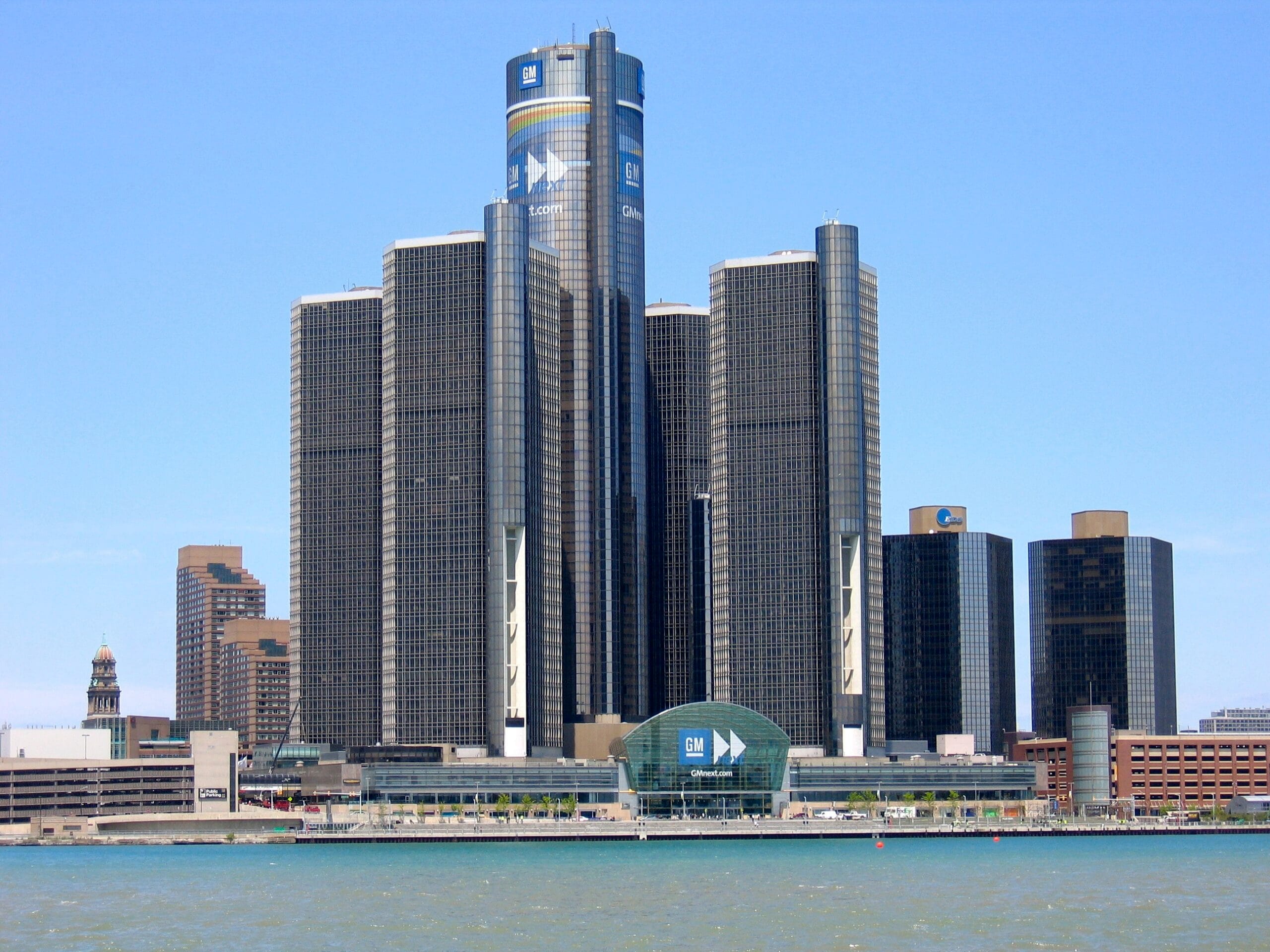
In a surprising move, General Motors (GM) has decided to abandon its efforts in the robotaxi sector, a decision that marks a significant shift in strategy for the automotive giant and its autonomous vehicle subsidiary, Cruise. This development comes as the company reassesses its priorities in the face of various challenges that have plagued the autonomous vehicle industry.
The decision to pivot away from robotaxi services is not without precedent. Over the past few years, the autonomous vehicle landscape has seen a series of ups and downs, with many companies, including GM, investing heavily in the technology only to face setbacks. The challenges have been multifaceted, ranging from regulatory hurdles to technological limitations and market demand uncertainties. GM’s withdrawal from the robotaxi market highlights the complexities and risks associated with developing fully autonomous vehicles for public use.
One of the primary factors contributing to GM’s decision is the regulatory environment surrounding autonomous vehicles. Various jurisdictions have implemented stringent regulations that complicate the deployment of robotaxis. These regulations often require extensive testing, safety validations, and compliance with local traffic laws, which can slow down the development process and increase costs. As a result, GM’s leadership has recognized that the path to a viable robotaxi service is fraught with obstacles that may not be surmountable in the near term.
Moreover, the technological challenges inherent in creating a fully autonomous vehicle capable of operating safely in diverse environments cannot be overstated. While Cruise has made significant strides in developing its autonomous driving technology, the reality remains that achieving Level 5 autonomy—where a vehicle can operate without any human intervention—poses significant engineering challenges. Factors such as unpredictable weather conditions, complex urban environments, and the need for real-time decision-making contribute to the difficulty of creating a reliable robotaxi service.
Financial pressures also play a crucial role in GM’s decision-making process. The company has faced increasing scrutiny regarding its investments in autonomous vehicle technology, particularly as the costs associated with research and development continue to rise. The economic landscape has shifted, leading many companies to reevaluate their spending priorities. In this context, GM’s leadership has opted to redirect resources toward areas with clearer paths to profitability, such as electric vehicle production and advanced driver-assistance systems, rather than pursuing the uncertain future of robotaxi services.
Despite this pivot, GM remains committed to the broader goals of innovation and sustainability. The company has reaffirmed its dedication to electric vehicles, which represent a growing segment of the automotive market. GM’s investment in electric vehicle technology aligns with global trends toward cleaner transportation solutions and reflects a strategic focus on meeting consumer demand for more sustainable options.
The implications of GM’s decision extend beyond the company itself. The robotaxi market has been a focal point for many automakers and tech companies, all vying for a stake in what was once perceived as a revolutionary mode of transportation. With GM stepping back, questions arise about the viability of similar projects undertaken by other companies. This shift may lead to a reevaluation of the timelines and strategies employed by competitors in the autonomous vehicle space.
Furthermore, this decision could impact the workforce at Cruise and within GM. As the company scales back its ambitions in the robotaxi sector, it may need to make difficult choices regarding staffing and resource allocation. Employees who were focused on developing robotaxi technology may find themselves reassigned or facing uncertainty about their roles in the future.
In conclusion, GM’s decision to abandon its robotaxi plans marks a significant moment in the evolution of the autonomous vehicle industry. The challenges of regulation, technology, and financial viability have prompted the company to reassess its priorities and focus on areas with more immediate prospects for success. While this shift may signal a retreat from one ambitious goal, it also highlights GM’s commitment to innovation in other areas, particularly electric vehicles. As the automotive landscape continues to evolve, the implications of this decision will be closely watched by industry stakeholders and consumers alike.