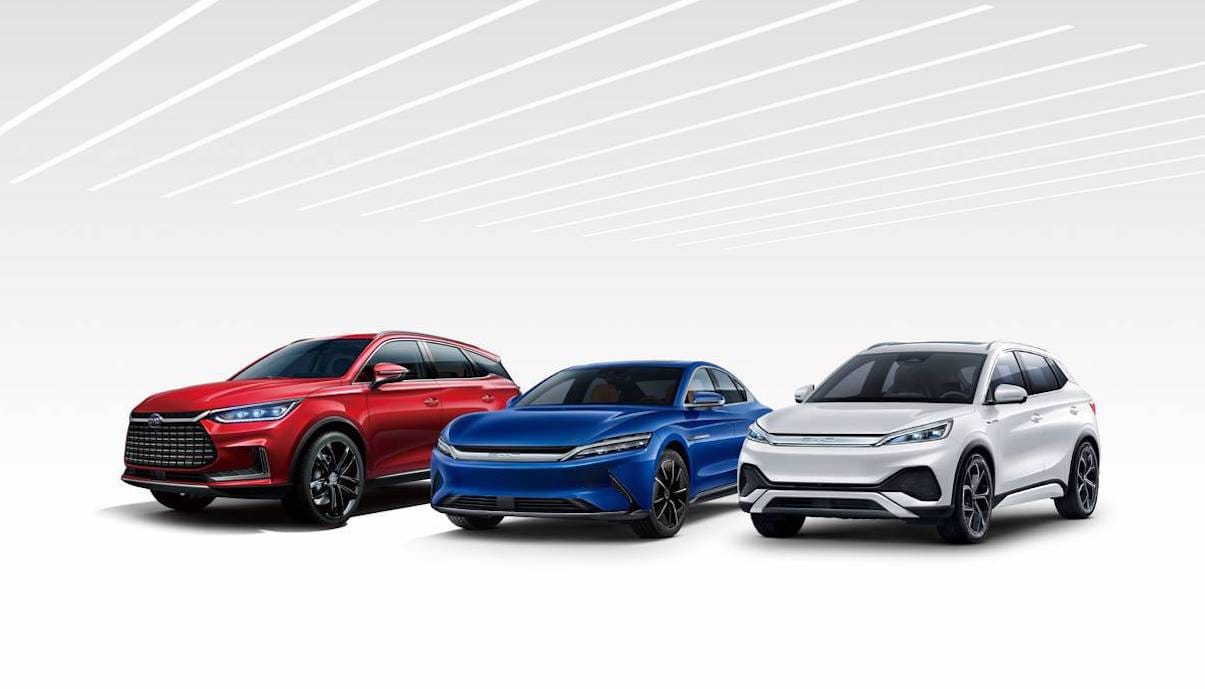
Tesla, under the helm of Elon Musk, has long been the pioneering force in the electric vehicle (EV) industry. However, the landscape is shifting as new players emerge, posing substantial challenges to Tesla’s reign. One such contender is BYD, a Chinese automaker that has been making significant strides in the EV market. Similar to how DeepSeek has disrupted the AI sector by offering competitive alternatives to OpenAI, BYD’s strategic moves and technological advancements present a formidable challenge to Tesla.
Founded in 1995, BYD has steadily grown to become one of the world’s largest electric vehicle manufacturers. The company’s status as a battery manufacturer has given it a unique advantage in the EV market. Unlike Tesla, which initially focused on vehicle production, BYD had a strong foundation in battery technology, enabling it to implement innovative solutions more efficiently.
One of BYD’s key strengths is its vertical integration. The company controls the entire production process, from battery manufacturing to vehicle assembly. This allows BYD to maintain a high level of quality control and optimize its supply chain, a strategy that has proven highly effective in the competitive EV market. In contrast, Tesla has faced supply chain issues and production delays, which have sometimes hindered its ability to meet consumer demand.
Another area where BYD has been particularly successful is in the bus and commercial vehicle market. The company has secured numerous large-scale orders for electric buses and trucks, both domestically in China and internationally. This success has not only bolstered BYD’s financial position but also expanded its market reach and brand recognition. Tesla, while focusing primarily on passenger vehicles, has been slower to penetrate the commercial vehicle market, giving BYD a competitive edge.
Technological innovation is another critical factor driving BYD’s growth. The company has made significant advancements in battery technology, including the development of its proprietary Blade Battery. This innovative design aims to improve safety and efficiency, addressing some of the common concerns associated with traditional lithium-ion batteries. While Tesla has also made strides in battery technology, BYD’s focus on safety and efficiency has attracted considerable attention and investment.
However, the challenge BYD poses to Tesla is not limited to technological and strategic factors. Geopolitical dynamics also play a significant role. The Chinese government has been actively promoting the growth of its domestic EV industry, providing substantial support to companies like BYD. This support includes favorable policies, subsidies, and infrastructure development, which have helped BYD expand rapidly. Meanwhile, Tesla has faced regulatory challenges and trade tensions, particularly in the Chinese market, which have sometimes impeded its growth.
Despite these challenges, Tesla remains a formidable player in the EV market, with a strong brand, innovative products, and a dedicated customer base. The company’s continuous innovation and commitment to sustainability have cemented its position as a leader in the industry. However, the rise of BYD and other competitors serves as a reminder that the EV market is dynamic and competitive, and that maintaining market leadership requires constant adaptation and innovation.
In conclusion, BYD’s rise as a major player in the EV market presents a significant challenge to Tesla’s dominance. The company’s vertical integration, technological advancements, and strategic focus on the commercial vehicle market have positioned it as a formidable contender. As the EV market continues to evolve, the competition between Tesla and BYD is likely to shape the future of the industry, driving innovation and enhancing consumer options.


