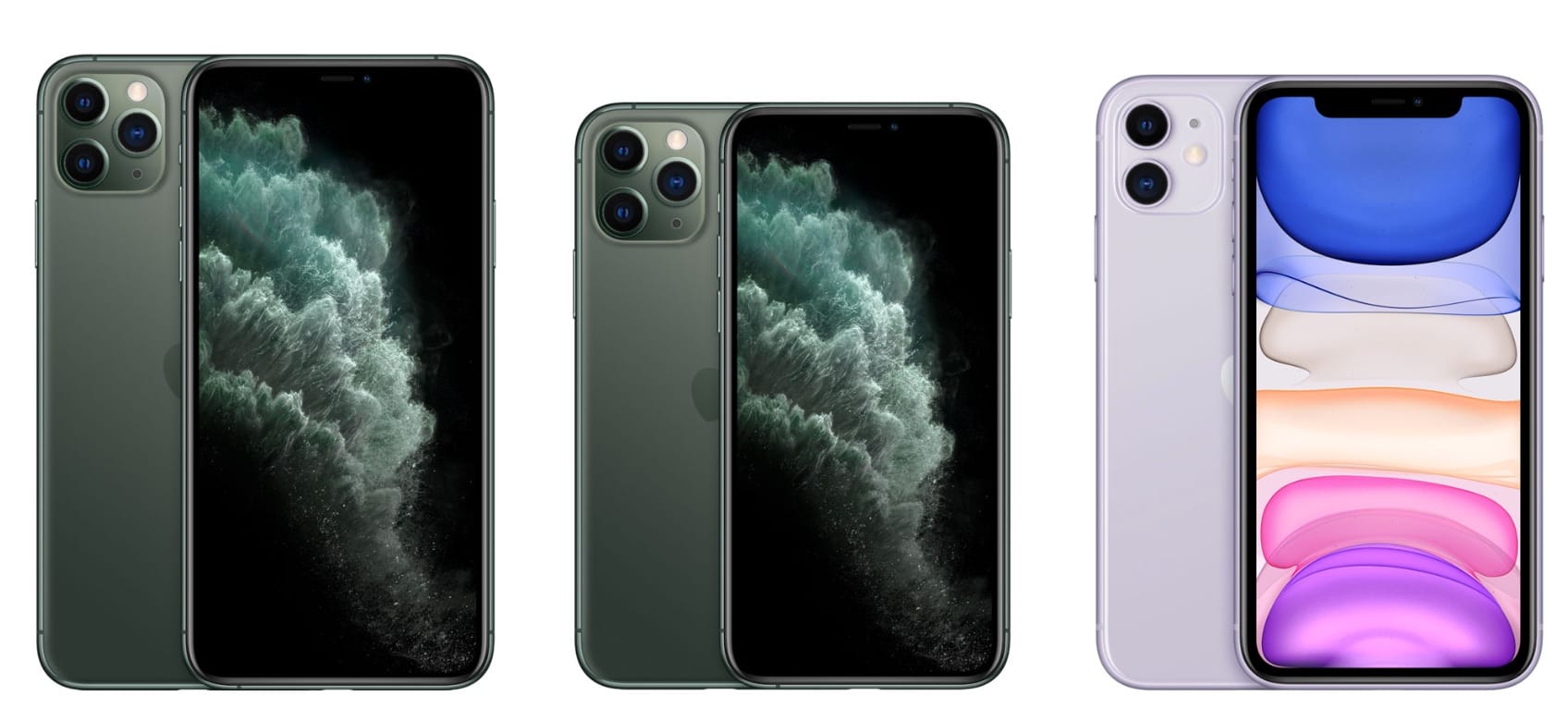
Apple’s reputation for ensuring its devices operate seamlessly has once again come to the forefront with the release of an exclusive software update for a specific set of devices. On February 3, 2025, Apple released a revised version of its iOS 18.3 update, but what made waves was the fact that this update was meant only for a specific trio of phones: the iPhone 11, iPhone 11 Pro, and iPhone 11 Pro Max.
This revised update, identified by the build number 22D64, aims to resolve an issue that was uniquely affecting this line of models. Despite Apple’s dedication to addressing performance and system bugs in their periodic updates, this decision to release a model-specific update is not something commonly seen, making this move significant and raising questions about the underlying problem behind it.
The iOS 18.3 update was initially rolled out broadly to all devices starting from iPhone XS and newer. However, within days, Apple released a secondary build specifically targeting the iPhone 11 lineup. This action highlights Apple’s commitment to delivering tailored fixes where necessary, ensuring that no segment of its user base experiences prolonged performance issues.
For users of these three iPhone 11 models, downloading the update is essential. An Apple statement confirms that this update offers critical system optimizations that directly relate to how the operating system interacts with the hardware. While Apple has remained tight-lipped about the exact nature of the issue, technology analysts speculate that it could involve firmware optimization for the camera system, haptic engines, or other hardware unique to the iPhone 11 series.
Apple’s software release pattern is usually consistent, allowing users to expect certain features and fixes across all compatible models. However, this targeted update illustrates an unusual but not unheard-of approach, demonstrating that Apple is willing to deviate from its routine when necessary. It also suggests that there might have been user-reported issues that warranted such a quick and exclusive response. Owners of other Apple devices running iOS 18.3 do not need to worry, as their versions of the software remain untouched and unaffected.
As Apple devices account for a significant portion of the global smartphone market, the company has been known to act rapidly in addressing software inconsistencies. The iOS ecosystem, characterized by its optimized synergy between hardware and software, offers Apple the unique advantage of releasing updates that are precise and highly functional. This capability came into the spotlight with this exclusive release for the iPhone 11 series. While this scenario could have sparked concern among some users, Apple’s proactive approach has largely been met with acknowledgment of their ability to swiftly address potentially complex issues.
For those wondering how to install this update, Apple suggests going through the usual settings pathway—Settings > General > Software Update. Users might notice that the update is identified uniquely compared to the standard releases, emphasizing its tailored purpose. If users already have the standard iOS 18.3 installed, downloading and applying this special build would provide the additional fixes and improvements.
Looking ahead, industry experts suggest that Apple may utilize user feedback from these targeted updates to improve its testing and deployment process. This focused release demonstrates that even with advanced testing protocols, device-specific quirks can require tailored interventions post-release. The move also underscores Apple’s ongoing determination to provide long-term support even for older devices such as the iPhone 11 series, released in 2019.
The exclusivity of this new build for only the iPhone 11 models also tells a broader story of why device-dedicated adjustments might become more prevalent as hardware and software evolve. Factors such as chip performance idiosyncrasies, display optimizations, and camera-specific features tied to particular devices can create scenarios requiring detailed fixes beyond what is feasible in broad-stroke updates.
Apple users should also remember the importance of updating their devices regularly. Missing critical updates can expose systems to not only performance degradation but also potential security vulnerabilities. Based on this latest scenario, it is clear that Apple’s methodical approach to rectifying device-specific issues ensures that their devices remain benchmarks for reliability and performance in an ever-competitive industry.
The iPhone 11, iPhone 11 Pro, and iPhone 11 Pro Max currently remain the only beneficiaries of this revised iOS 18.3 update, at least for now. This action serves as a reminder of Apple’s capability to implement exclusive assistance where it’s required while maintaining broad appeal across their product lineup.
Users of the selected models are strongly encouraged to download the new build at the earliest opportunity to benefit from the enhanced system stability and reliability it aims to bring. Following this update, Apple could offer more detailed insights or even further revisions depending on user feedback. This tailored intervention marks a noteworthy instance in the tech giant’s journey of providing seamless performance, emphasizing just how meticulously it strives to deliver an unparalleled user experience.