
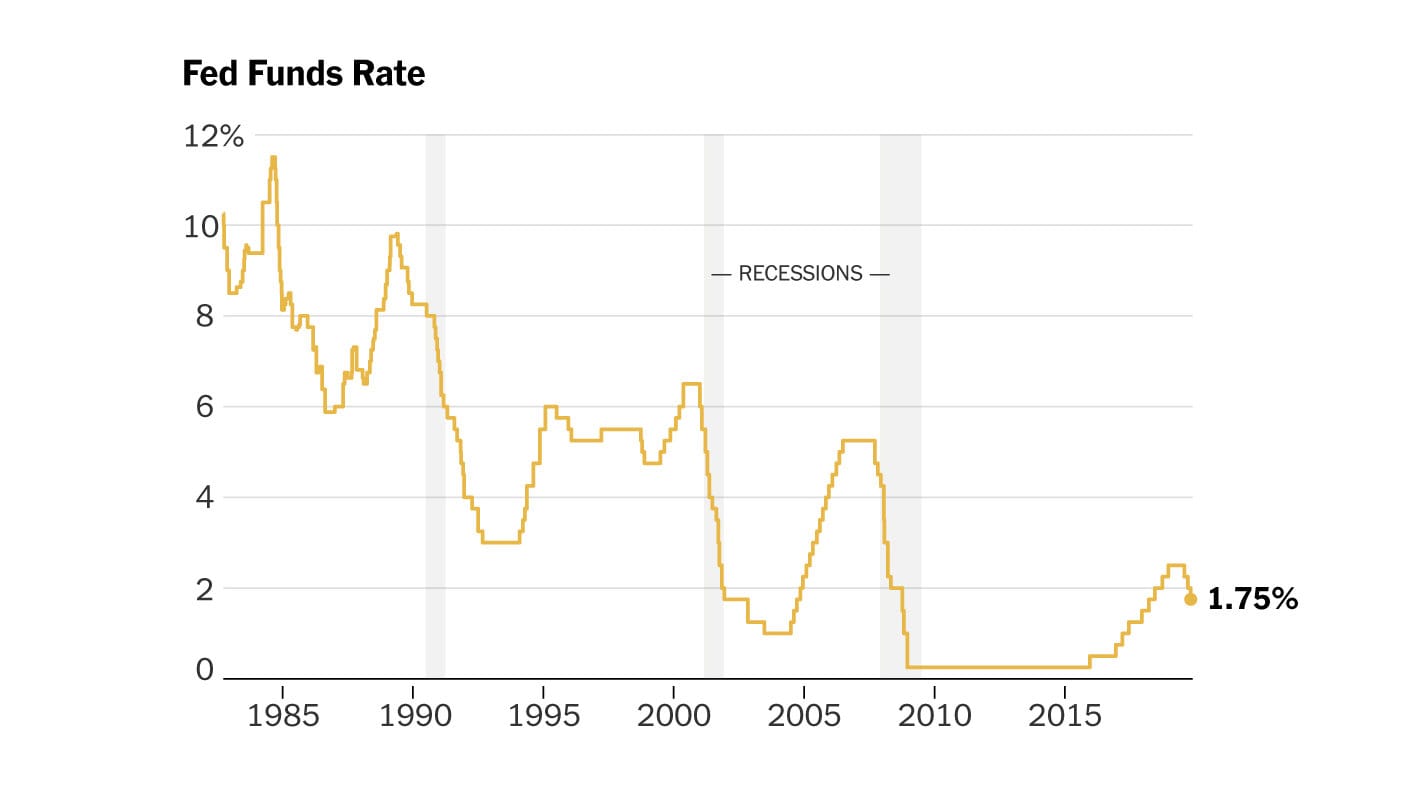
Economists forecast that the Federal Reserve will execute one more interest rate cut by the end of 2024, before transitioning to a more gradual approach in monetary policy adjustments in 2025. This approach reflects ongoing economic evaluations and aims to balance inflation control with economic growth. As the Fed responds to persistent inflationary pressures and evolving labor market conditions, the expectations of investors and market participants are being closely monitored.
Tag: inflation
Federal Reserve Expected to Implement One Final Rate Cut Before Adjusting Strategy in 2025
Economists anticipate that the Federal Reserve will execute one last interest rate cut before the end of 2024, setting the stage for a shift in monetary policy approach by 2025. This expected adjustment comes in the context of current economic conditions, including inflation rates, employment figures, and overall economic activity. These factors will influence the Fed’s decisions as they aim to balance growth with controlling inflation.

Asian Markets Decline as Long-Dated Treasuries Face Significant Weekly Losses
Asian stock markets experienced a notable decline amid concerns over rising interest rates and inflation, which have led to long-dated U.S. Treasuries heading toward their worst weekly performance in a year. Investors are reassessing their strategies in light of the persistent economic uncertainties, prompting a sell-off in equities across the region.

Wholesale Inflation Rises in November, Indicating Persistent Price Pressures
The US wholesale inflation rate accelerated in November, as indicated by the Producer Price Index (PPI), which measures the average change in prices of goods and services sold by domestic producers. The increase suggests that some price pressures remain elevated, potentially influencing future interest rate decisions by the Federal Reserve.

November Inflation Figures Unlikely to Hinder Anticipated Fed Rate Reductions
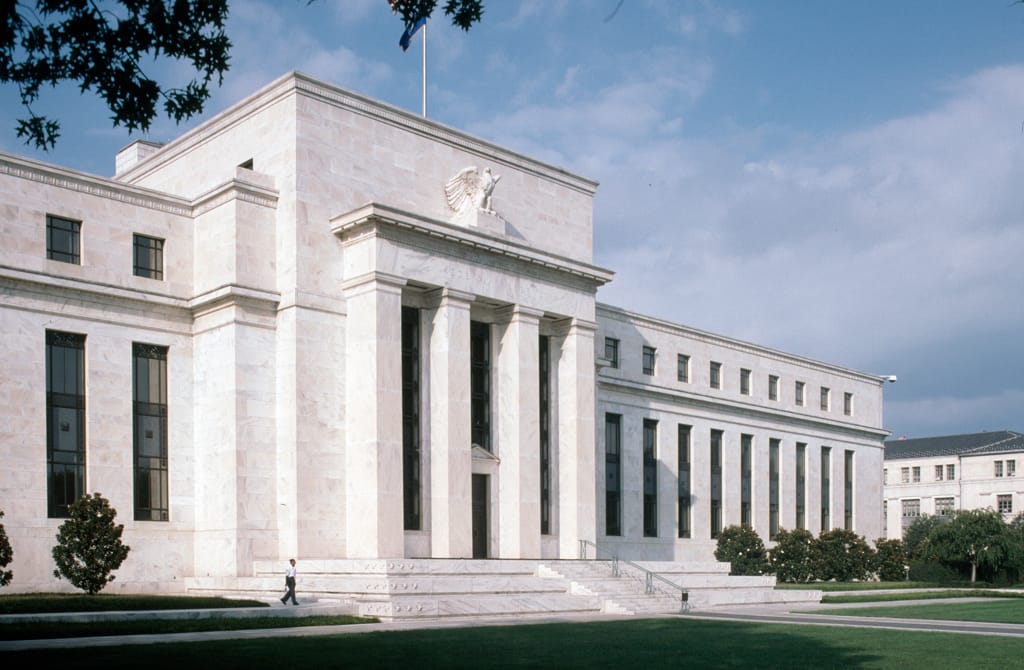
The latest inflation data for November is expected to have a minimal impact on the Federal Reserve’s plans to cut interest rates in the coming months. Despite the slight increase in inflation, economists believe that the overall trend of slowing price growth will continue, supporting the Fed’s decision to ease monetary policy.
Fed Rate Cuts Unfazed by November Inflation Uptick
Despite a surprise increase in November inflation, economists believe the Federal Reserve will still implement interest rate cuts in the coming months to stimulate economic growth.

Global Markets Rebound as Inflation Fears Ease and Aussie Jobless Rate Drops
Asian markets rallied on Wednesday, following a strong performance on Wall Street overnight, as investors breathed a sigh of relief after tame inflation data from the US. Meanwhile, Australia’s jobless rate surprisingly dropped to an 8-month low, adding to the positive sentiment.

Consumer Price Index Shows Notable Increase in November
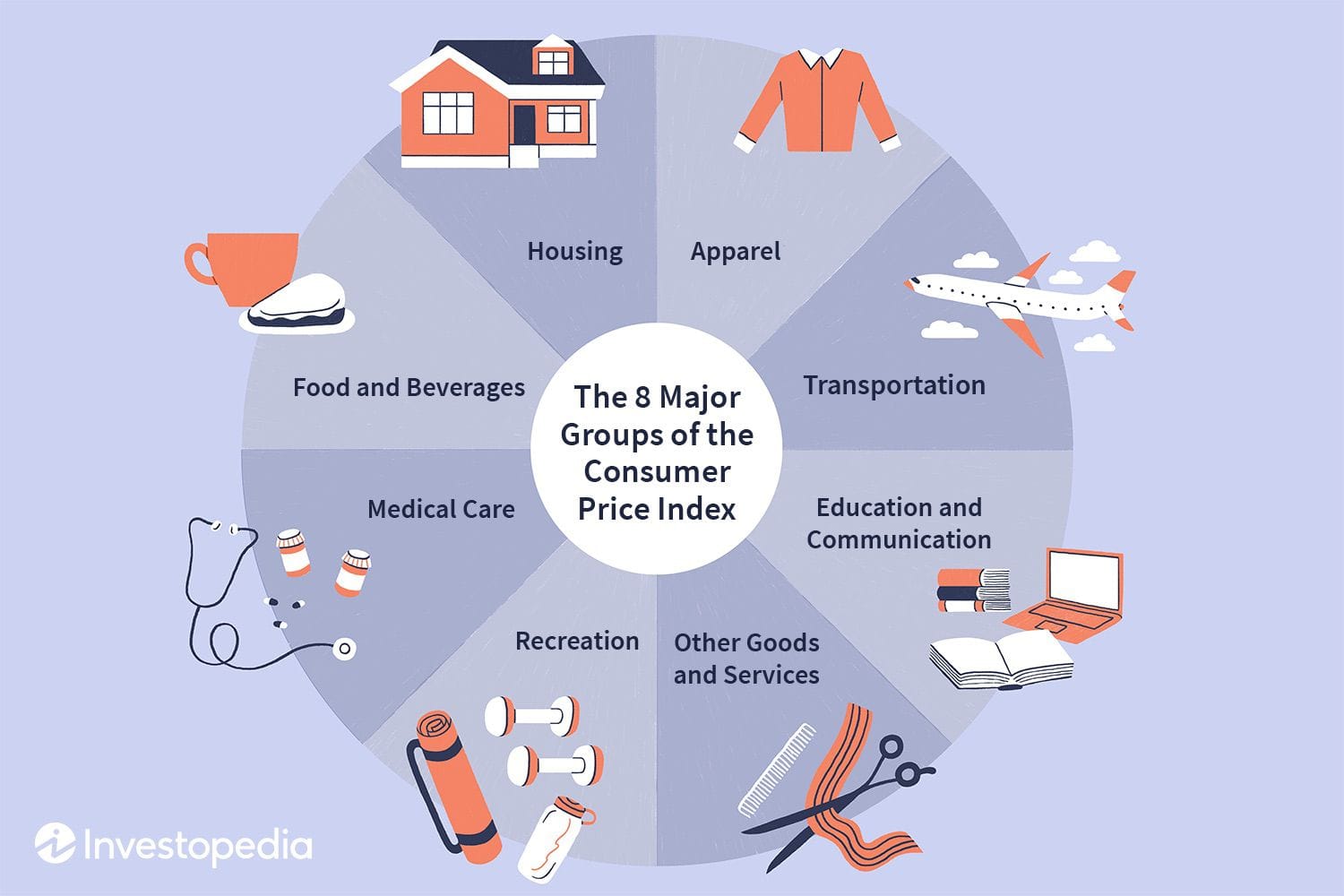
The United States Bureau of Labor Statistics released its latest Consumer Price Index (CPI) data, revealing a significant rise in inflation during November. The overall CPI, a key measure of inflation, reached 27%, indicating a substantial increase in the prices of goods and services compared to the previous year. This development has sparked discussions among economists and policymakers about the potential implications for the economy.
Consumer Price Index Rises Amidst Moderation in Rental Costs
The U.S. Bureau of Labor Statistics released data indicating a notable increase in the Consumer Price Index (CPI), marking the largest monthly gain in seven months. This rise is primarily attributed to increased costs in various sectors, while simultaneously showing a deceleration in the growth rate of rental expenses. This complex economic picture presents challenges for policymakers and consumers alike as they navigate fluctuating price levels.
Traders Consider Fed Rate Cut Speculation Amidst Rising Inflation Fears
As traders ponder the possibility of a Federal Reserve rate cut, concerns of inflation data pointing to overheating economy emerge, leading experts to weigh in on potential outcomes and implications of such scenarios.