
An updated analysis from a consortium of scientists has adjusted their assessment of global risks, impacting previously established timelines concerning potential catastrophic events. This revised prediction incorporates new data and modeling techniques, resulting in a shift in the projected proximity of significant global challenges. The report details the specific factors contributing to the reassessment, including environmental, technological, and geopolitical considerations.
Tag: Geopolitics

Denmark Enhances Arctic Security Budget Amid Growing Regional Concerns
Denmark announces a 2 billion increase in Arctic defense spending, following President Trump’s expression of interest in purchasing Greenland. The move aims to bolster Denmark’s strategic presence in the Arctic region.
The Future of Greenland: Four Scenarios Following Trump’s Interest
In recent years, former President Donald Trump’s interest in acquiring Greenland has sparked significant discussion and speculation. This article explores four potential scenarios that could unfold as a result of this geopolitical interest, examining the implications for international relations, economic development, and environmental concerns.

The Future of Greenland: Four Scenarios Following Trump’s Interest
In recent years, former President Donald Trump’s interest in acquiring Greenland has sparked significant discussion and speculation. This article explores four potential scenarios that could unfold as a result of this geopolitical interest, examining the implications for international relations, economic development, and environmental concerns.

The Shifting Landscape of Syrian Power: A Closer Look at Foreign Interest
Following the recent fall of the Assad regime, Syria remains a focal point of international interest, with various foreign powers continuing to engage in the region. This article explores the complex motivations behind the sustained involvement of these nations and the implications for Syria’s future and its geopolitical significance.
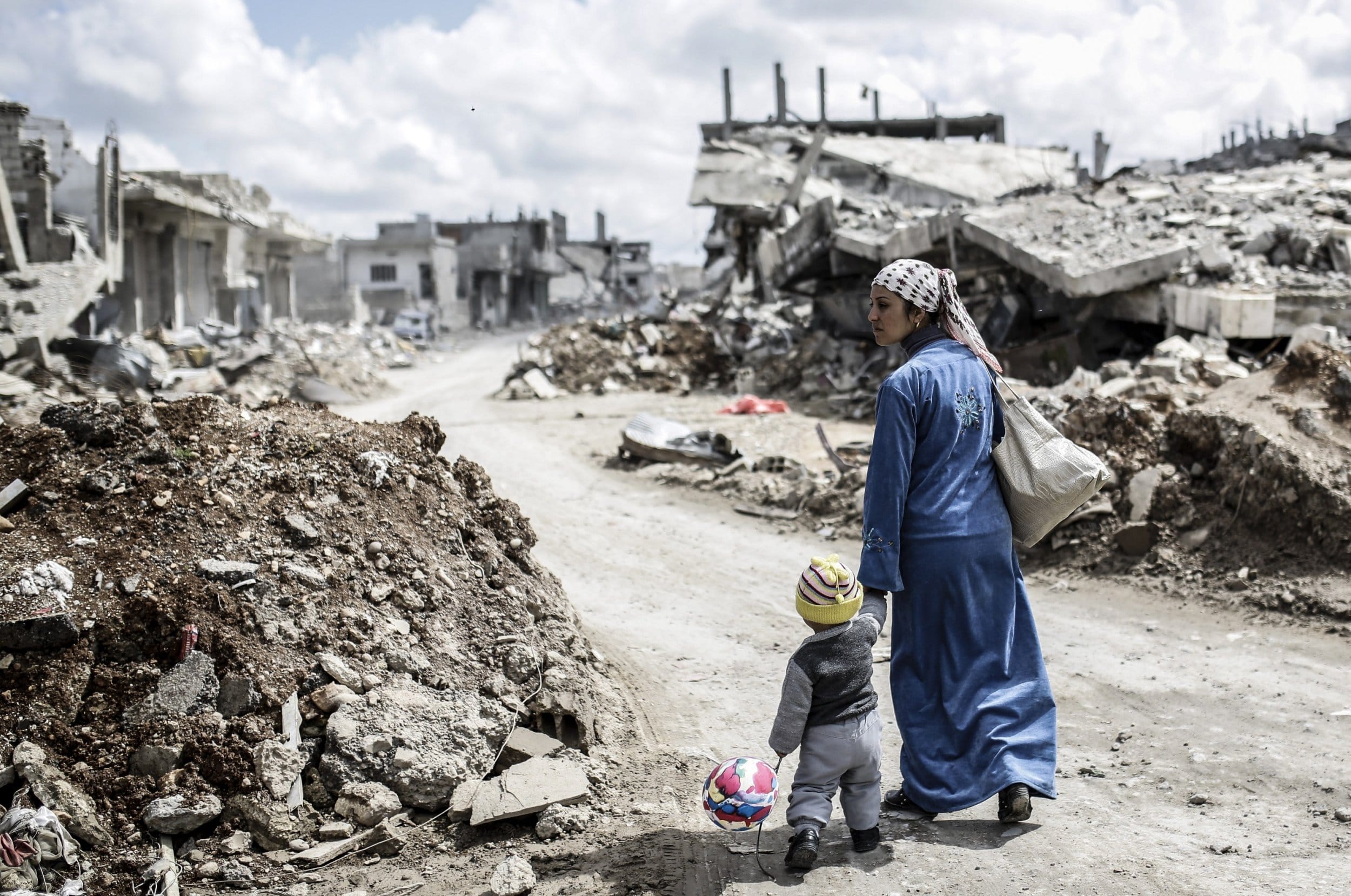
International Influences Complicate Syria’s Stability
As various foreign powers intensify their involvement in Syria, the potential for renewed conflict looms large. The competing interests of nations such as the United States, Russia, and regional players are reshaping the dynamics in a country already ravaged by years of civil war. This article explores the geopolitical landscape in Syria, the motivations of these foreign entities, and the implications for both the Syrian people and the broader Middle East.
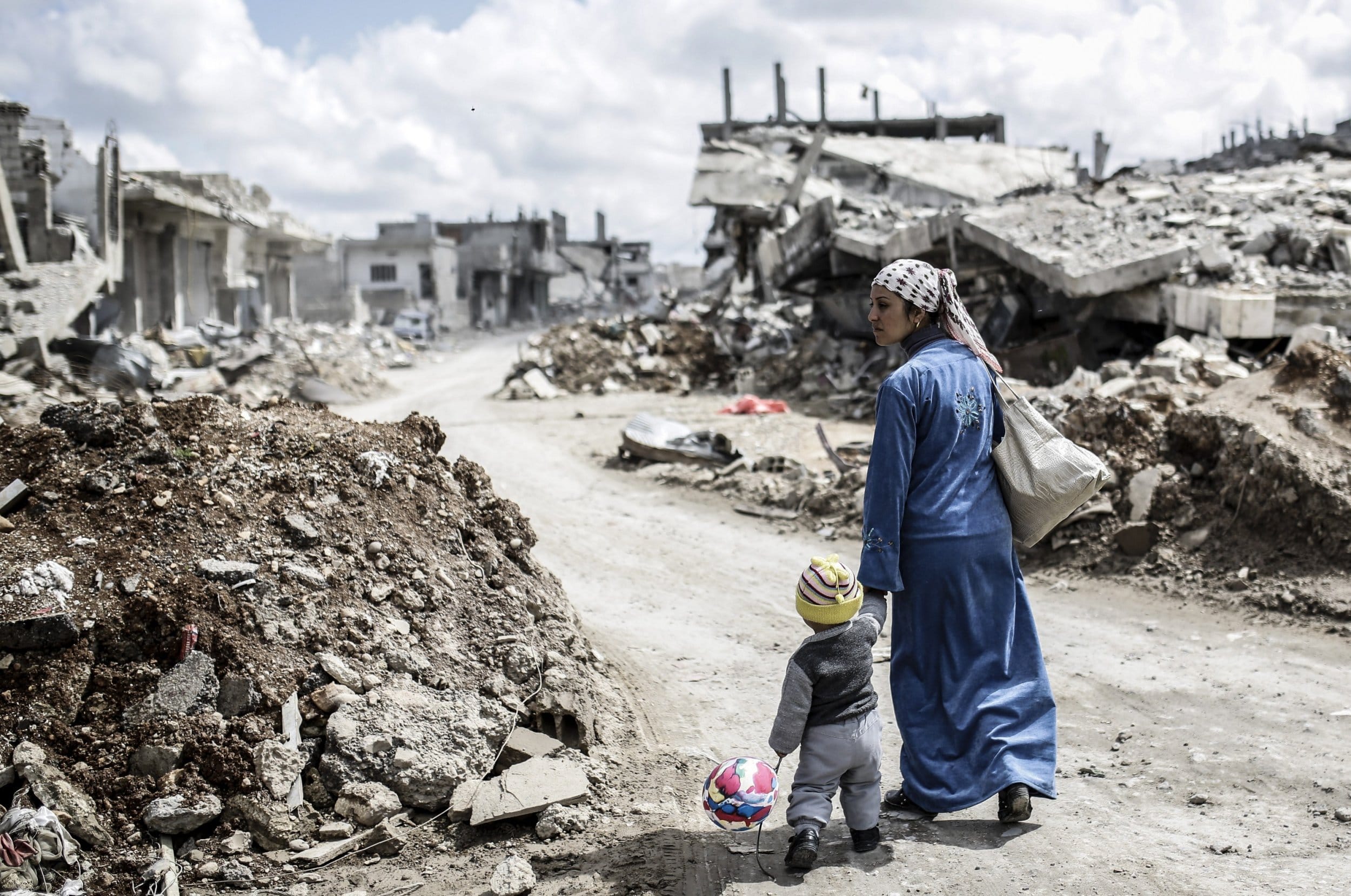
Collapse of Syrian Governance Reveals Challenges in Russia’s Strategic Influence
The ongoing developments in Syria, marked by the decline of the Assad regime, have raised questions about Russia’s ability to project power and influence on a global scale. As the Syrian conflict reaches a turning point, the implications for Russia’s foreign policy and its relationships with other nations are becoming increasingly evident. This article examines the factors contributing to the weakening of the Syrian regime, the role of Russian support, and the broader ramifications for Russia’s strategic ambitions in the Middle East and beyond.

Iran Faces Major Shift in Regional Power Dynamics Following Fall of Assad
The ousting of Syrian President Bashar al-Assad has led to significant geopolitical shifts, affecting the regional balance of power. Iran’s influence in the Middle East becomes uncertain amid the changing landscape.

Taiwan’s President Lai Engages US Congress Leaders in Strategic Talks from Guam
In a significant diplomatic move, Taiwanese President Lai Ching-te conducted phone talks with key US Congress leaders while on a visit to Guam, reinforcing Taiwan’s commitment to strengthening ties with the United States amidst rising tensions in the region.
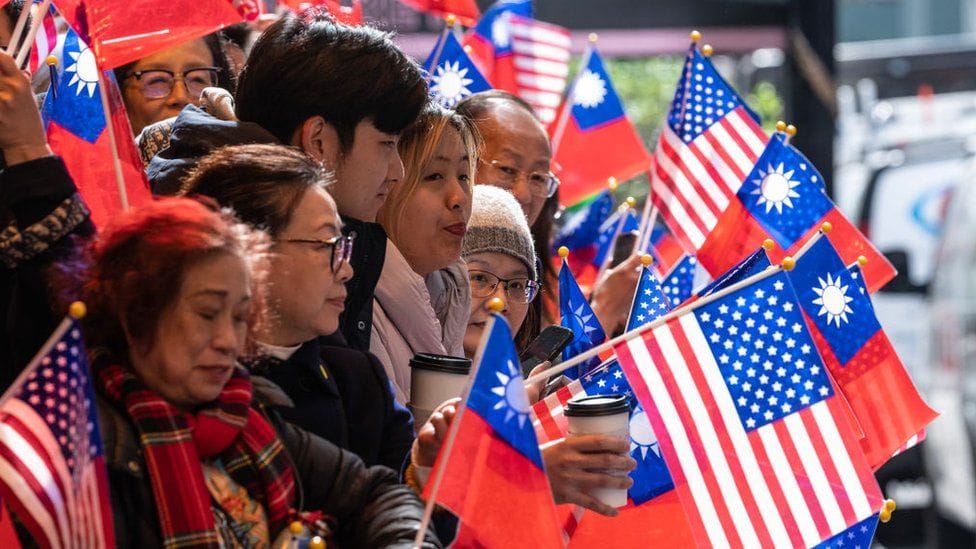
Taiwan’s President Lai Engages in Key Discussions with US Congress Leaders from Guam
Taiwanese President Lai Ching-te held significant phone talks with US congressional leaders while visiting Guam, addressing crucial issues related to Taiwan’s security and US-Taiwan relations.