General Motors, a prominent American automaker, has recently announced ambitious projections for increased earnings and a positively rising stock valuation in the upcoming years.
Tag: Electric Vehicles

General Motors Surpasses Expectations, Confirms Continued Growth into 2025
General Motors (GM) has exceeded Wall Street’s expectations, leading to a forecast suggesting another year of strong earnings in 2025. This success is derived from the company’s evolving technology investments and expansion into electric vehicles.
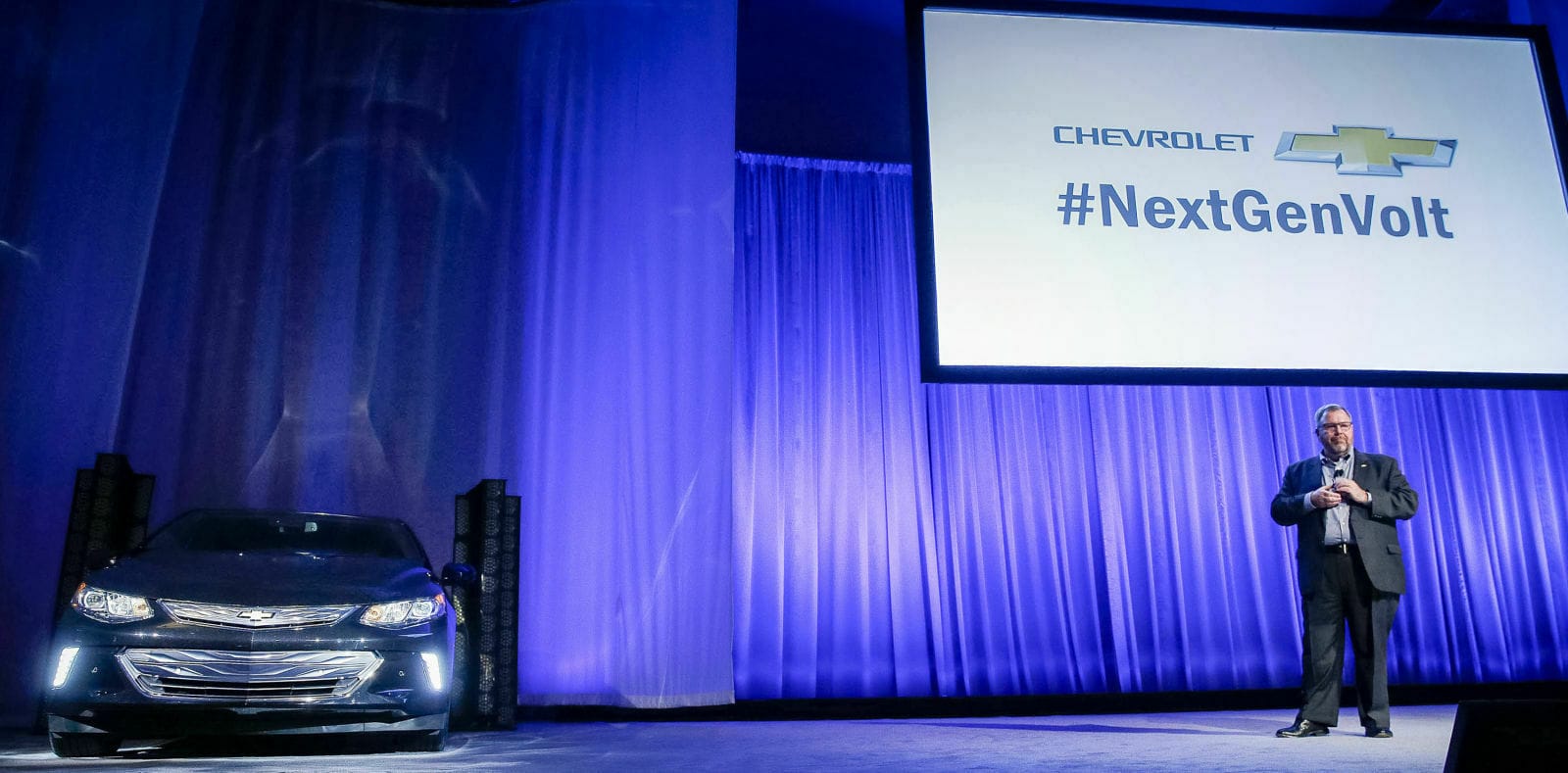
General Motors Exceeds Wall Street Expectations, Predicts Continued Success in 2025
General Motors (GM) has outperformed Wall Street estimates, foreseeing a consecutive year of strong financial performance in 2025. The automaker’s financial prowess has been propelled by its innovative electric vehicle lineup and transformative business strategies.
The Rise of Affordable Electric Vehicle Leases in the Automotive Market
As the demand for electric vehicles (EVs) continues to grow, a new trend is emerging in the automotive market: affordable EV leases. This development is making electric cars more accessible to a broader audience, allowing consumers to enjoy the benefits of EV ownership without the high upfront costs. This article explores the factors driving this trend, the benefits of leasing over buying, and the implications for the future of the automotive industry.

Pentagon Moves to Restrict Major Chinese EV Battery and Technology Companies
The Pentagon has announced plans to blacklist several of China’s largest electric vehicle (EV) battery and technology firms, citing national security concerns. This decision is part of a broader strategy to limit the influence of Chinese technology in critical sectors, particularly as the global demand for electric vehicles continues to rise. The implications of this move could significantly impact the U.S.-China trade relationship and the global EV market.
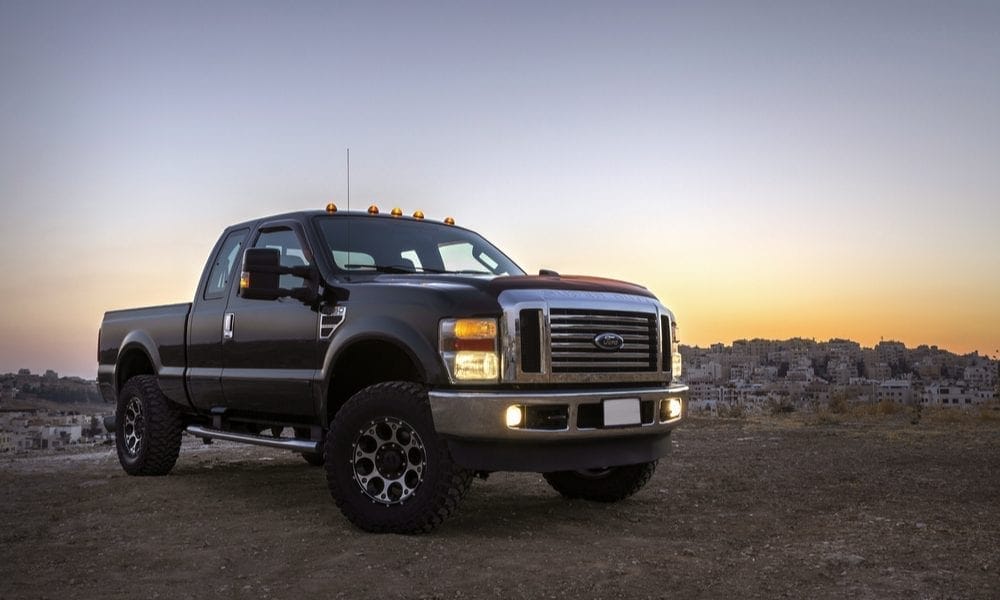
Ford and GM Surpass Tesla in Electric Vehicle Sales, Stock Prices Surge
Ford and General Motors (GM) have recently outpaced Tesla in electric vehicle (EV) sales, marking a significant shift in the automotive landscape. This development has led to a notable increase in the stock prices of both companies, reflecting investor confidence in their growing market presence. The article explores the factors contributing to this change and its implications for the future of the electric vehicle market.

Ford and GM Surpass Tesla in Electric Vehicle Sales, Boosting Stock Prices
In a significant shift within the electric vehicle market, Ford and General Motors (GM) have outpaced Tesla in electric vehicle sales, leading to an increase in their respective stock prices. This development highlights the growing competitiveness of traditional automakers in the EV sector, which has been dominated by Tesla in recent years. Analysts are closely monitoring this trend as it could signal a new era in the automotive industry.
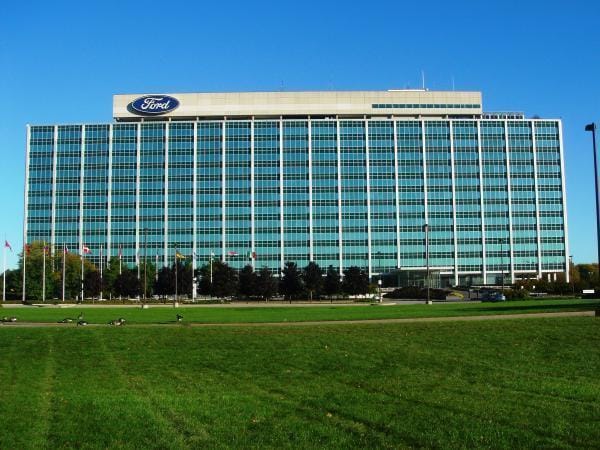
Ford Achieves Highest Annual Sales in the U.S. Since 2019
Ford Motor Company has announced that it has recorded its best annual sales figures in the United States since 2019, marking a significant recovery in the automotive market. The company attributes this success to a combination of strong demand for its vehicles, particularly electric and hybrid models, as well as effective supply chain management that has allowed it to meet consumer needs more efficiently.

Ford Achieves Highest Annual Sales in the U.S. Since 2019
Ford Motor Company has announced its strongest annual sales performance in the United States since 2019, marking a significant recovery in the automotive market. The company’s sales figures reflect a growing demand for its vehicles, particularly in the truck and SUV segments, as well as a successful transition to electric vehicles. This resurgence comes amid ongoing challenges in the supply chain and a competitive automotive landscape.

Tesla Experiences Decline in Vehicle Deliveries for 2024
In a significant shift for the electric vehicle manufacturer, Tesla has reported a decrease in vehicle deliveries for the year 2024, marking the first decline in several years. This downturn has raised questions about the company’s production strategies, market demand, and overall performance in an increasingly competitive automotive landscape.