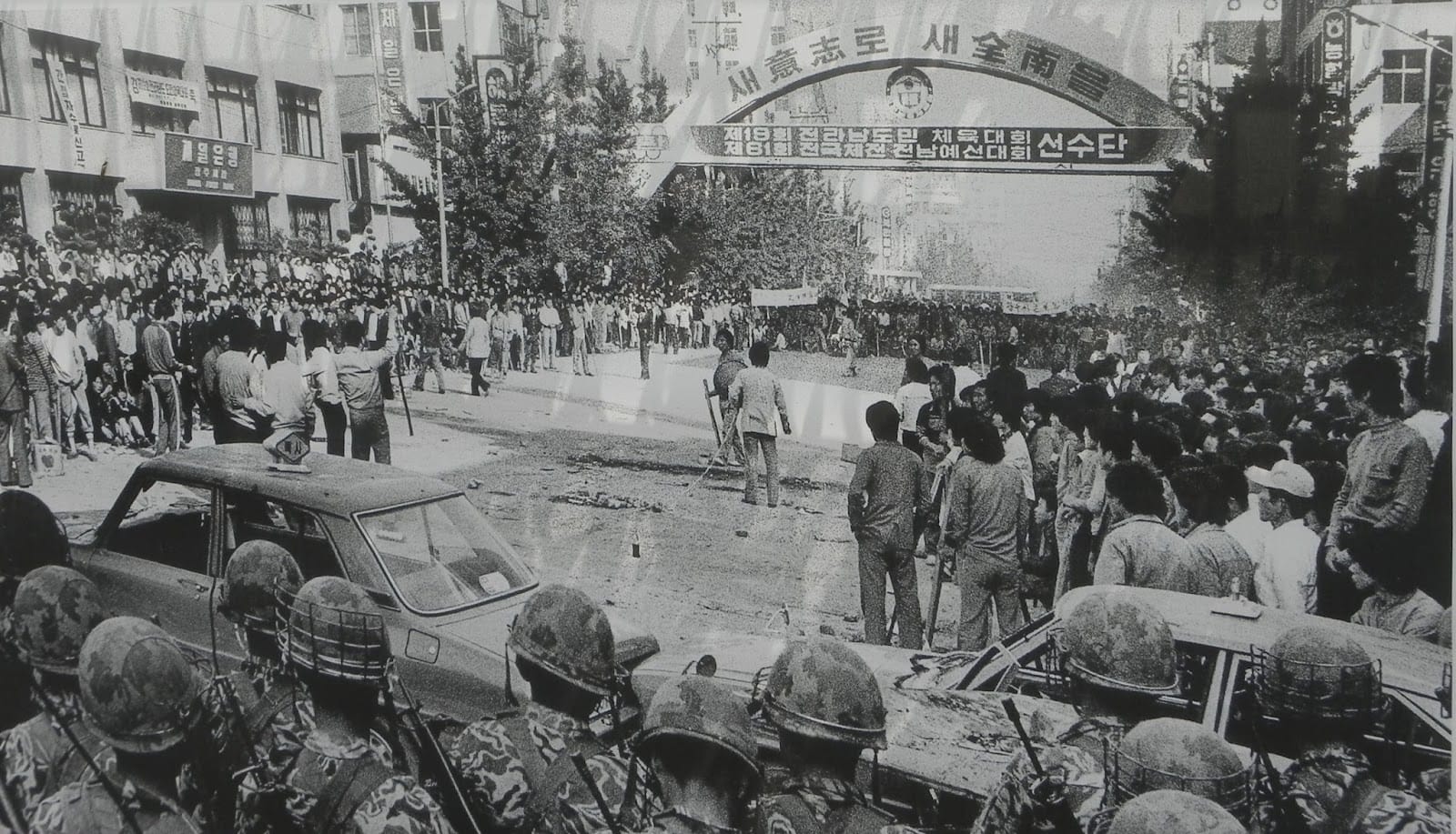
Recent developments in South Korea have stirred significant debate following the president’s declaration of martial law, citing national security concerns. This decree has elicited a range of reactions from political leaders, civil society organizations, and the general public, highlighting the fragility of democratic norms and the balance between security and civil liberties. The article explores the context of this decision, its immediate effects on the political landscape, historical precedents, and the potential long-term implications for governance in South Korea.