
Sepsis, a life-threatening condition arising from the body’s overwhelming response to an infection, is responsible for a staggering number of deaths worldwide, surpassing the combined mortality rates of all cancers and accidents. This complex syndrome, characterized by organ dysfunction and a systemic inflammatory response, poses a significant global health challenge requiring heightened awareness, early diagnosis, and prompt intervention. The multifaceted nature of sepsis and its wide-ranging susceptibility across age groups and demographics demands a comprehensive approach involving healthcare systems, research institutions, and public health organizations.
Tag: Infection

Global Burden of Sepsis: A Leading Cause of Mortality
Sepsis, a life-threatening condition arising from the body’s overwhelming response to an infection, claims more lives globally than all cancers and accidents combined. This complex syndrome is often underrecognized and can progress rapidly, leading to organ damage, failure, and death. Its impact is particularly pronounced in vulnerable populations, including the very young, the elderly, and individuals with compromised immune systems. Understanding the underlying mechanisms and improving early detection and treatment strategies for sepsis are critical to addressing this significant public health challenge.

Global Impact of Sepsis Mortality
Sepsis, a life-threatening condition arising from the body’s overwhelming response to an infection, claims more lives annually than all cancers and accidents combined, posing a significant global health challenge. The condition can develop from various infections and requires prompt recognition and treatment to improve patient outcomes. Sepsis affects individuals across all age groups and demographics, highlighting the urgent need for increased awareness, prevention strategies, and effective medical interventions.
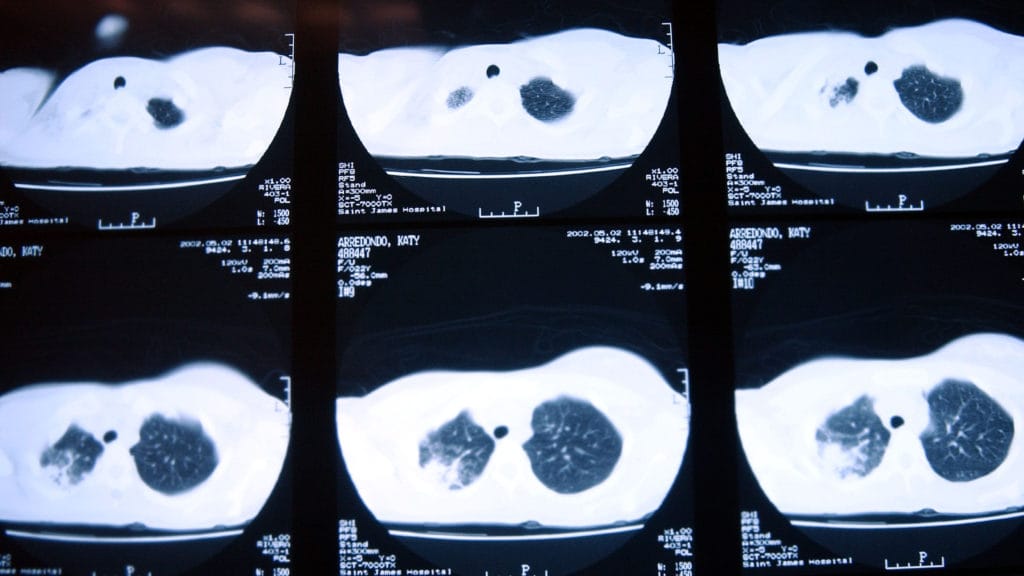
Kansas Health Officials Tackle Record-Breaking Tuberculosis Outbreak
Kansas health officials are combatting their most significant tuberculosis (TB) outbreak in recent history, with cases reaching record levels in the state. Efforts to identify and isolate infected individuals, while conducting public outreach and improving testing procedures, are in full swing to curb the spread of this highly contagious bacterial infection.

Rising Norovirus Cases This Winter: Essential Information for Protection
This winter has seen a significant increase in norovirus cases, prompting health officials to raise awareness about the virus and its transmission. Norovirus, often referred to as the “winter vomiting bug,” is highly contagious and can lead to severe gastrointestinal illness. Understanding its symptoms, transmission methods, and preventive measures is crucial for protecting yourself and others during this season.

Exploring the Human Metapneumovirus in China: Symptoms and Infection Insights
The human metapneumovirus (HMPV) has been a prominent topic in recent Chinese health news. This article will discuss the HMPV, its unique characteristics, how it spreads, and the symptoms experienced by infected individuals.

Heads Up: The Rise in Norovirus Infections This Winter and Prevention Measures
The winter season sees a spike in norovirus cases. This article explores the reasons behind the increase and offers practical advice on how to protect yourself and your loved ones from this contagious disease.

Spike in Winter Norovirus Cases: Understanding the Reasons and Protection Measures
An increase in winter norovirus cases has been noticed, with many asking why this occurs and how to protect against the viral infection. This article delves into the factors contributing to the spike, the prevalence of norovirus during colder months, and essential preventative measures to ensure safety.
Surge in Norovirus Outbreaks: What You Need to Know About This Contagious Virus
Recently, there has been a significant increase in the number of Norovirus outbreaks across various regions in the United States. This highly contagious gastroenteritis virus affects millions of people annually, and its rapid spreading has raised concerns among health professionals. This article discusses the causes of the spike, the common symptoms associated with the virus, and preventive measures to reduce the risk of contracting or spreading the virus.