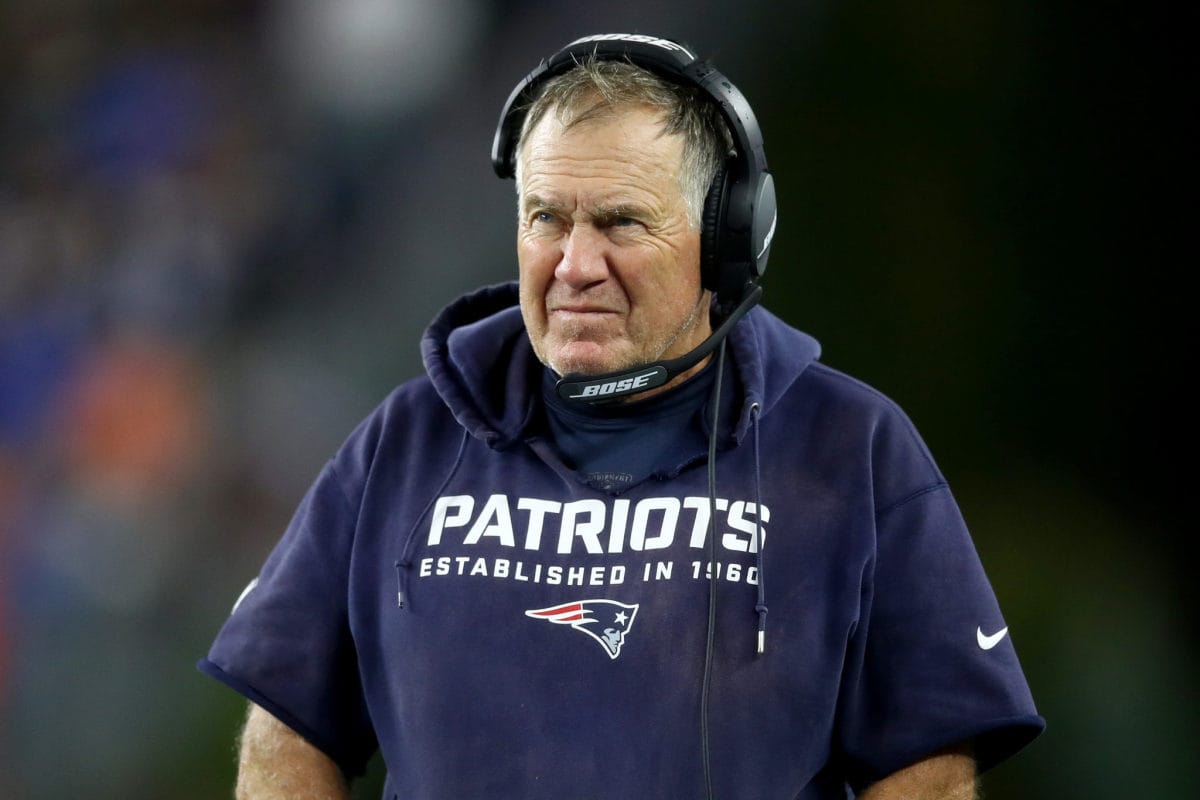
In a surprising turn of events, Bill Belichick, the iconic head coach known for his unparalleled success with the New England Patriots, is transitioning from the NFL to a college coaching position. This move has sparked widespread curiosity and speculation about the motivations behind this significant career shift. To gain deeper insights into this development, we spoke with a longtime associate of Belichick, who has worked closely with him over the years and provided a unique perspective on what this transition entails.
The associate, who requested to remain anonymous, described Belichick as a coach who thrives on challenges and has always been open to new experiences. “Bill has a passion for the game that extends beyond just winning. He loves teaching and developing young talent,” the associate explained. This passion for mentorship is a significant factor in his decision to step into a college coaching role. In the NFL, Belichick has often focused on managing seasoned professionals, but college football offers an opportunity to work with players who are still in their formative years.
Belichick’s decision could also be influenced by the changing landscape of the NFL. With increased scrutiny on coaches and the pressure to secure immediate results, some speculate that Belichick may be looking for a fresh start in an environment where he can invest in long-term player development. “The college game allows for a different kind of growth, not just for the players but for the coach as well,” the associate noted. “It’s about building a program from the ground up, which is something Bill has always enjoyed.”
Adapting to a college coaching environment poses its own set of challenges. The associate pointed out that the recruiting process is a significant departure from the NFL’s approach. In college football, coaches must actively scout and attract high school talent, which requires a different set of skills. “Bill will need to adjust his strategy to not only evaluate talent but also to sell his program to potential recruits and their families,” the associate explained. This shift may require Belichick to enhance his communication skills and develop relationships with high school coaches and athletic directors, something he has not had to do as extensively in the NFL.
Moreover, the dynamics of interacting with college players differ from those in the professional league. “In college, players are often at a critical point in their lives, both academically and personally. Bill will need to be more than just a coach; he will have to be a mentor and a guide,” the associate said. This change in role could necessitate a shift in Belichick’s coaching style, as he may need to focus more on player development and personal growth than he did in the NFL.
The associate also highlighted the potential for Belichick to draw on his extensive network of contacts within the football community to enhance his new program. “Bill has relationships with countless coaches, scouts, and former players. He can leverage these connections to build a strong staff and create a competitive program,” they noted. This ability to connect with others in the football world could be a significant asset as Belichick navigates his new role.
Looking ahead, the transition presents both opportunities and obstacles for Belichick. The associate emphasized that success in college football is often determined by more than just a coach’s tactical acumen; it also hinges on the ability to connect with players and foster a positive team culture. “Bill has an incredible football mind, but he will need to adapt his leadership style to resonate with younger athletes who may have different expectations than seasoned NFL players,” they explained.
As the football season approaches, attention will turn to Belichick’s new program and how he will implement his philosophy in this setting. The associate expressed confidence in Belichick’s ability to adapt, stating, “If anyone can make this transition successfully, it’s Bill. He has always been a student of the game and is constantly evolving. I have no doubt he will find a way to make this work.”
In conclusion, Bill Belichick’s decision to move from the NFL to a college coaching position reflects his passion for mentoring young athletes and building a program from the ground up. While the transition comes with its unique challenges, the insights shared by his longtime associate suggest that Belichick is well-equipped to navigate this new chapter in his coaching career. As the college football landscape continues to evolve, all eyes will be on Belichick to see how he applies his extensive experience and knowledge in this fresh environment.