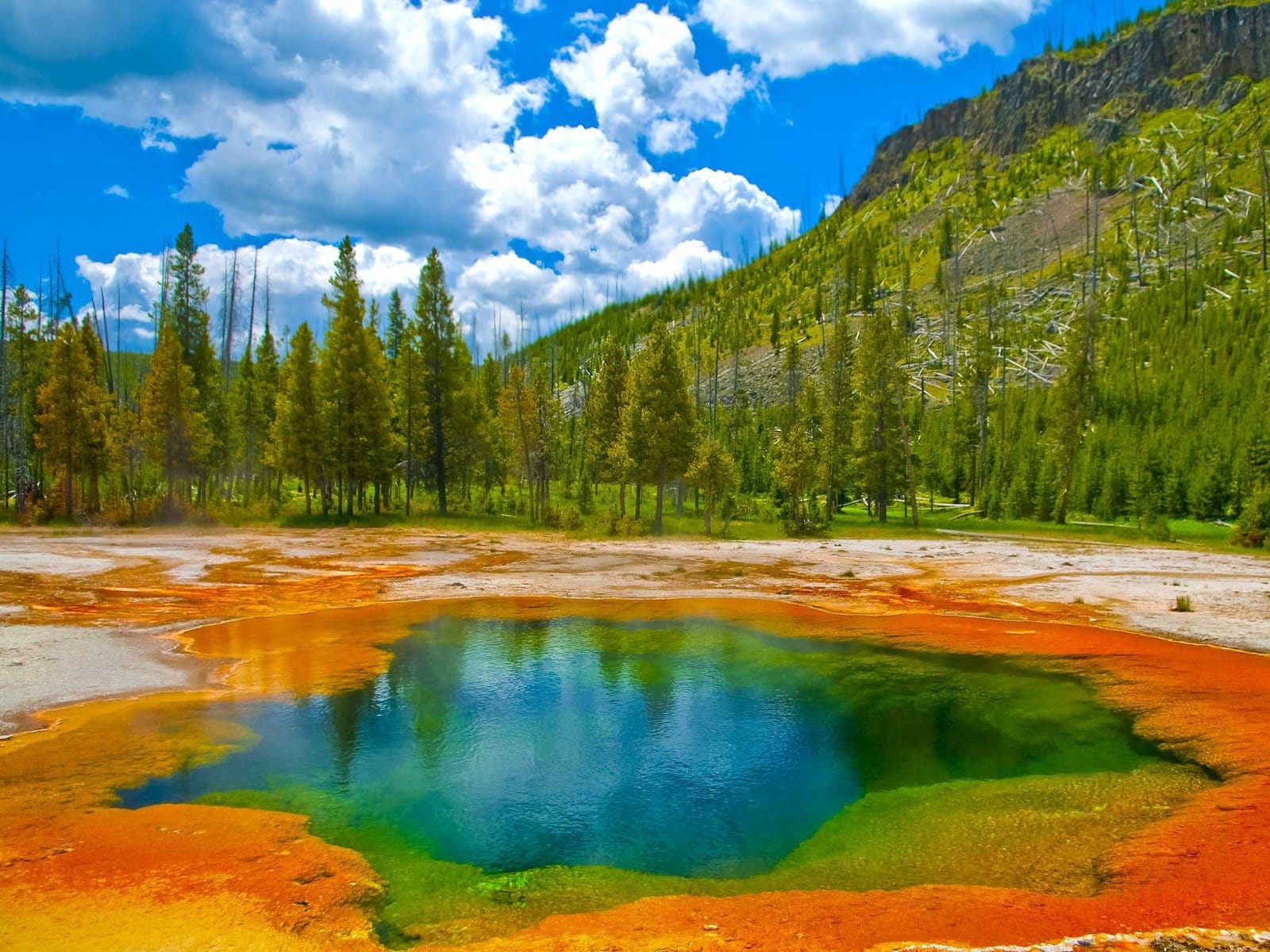
Yellowstone National Park, famous for its geothermal features and wildlife, has long captivated scientists and visitors alike with its dormant supervolcano. Recently, researchers have made significant strides in understanding the potential for an eruption, offering new insights into the volcanic activity beneath the park.
The Supervolcano Underneath Yellowstone
Yellowstone is home to one of the world’s largest supervolcanoes, which last erupted around 640,000 years ago. This massive caldera, formed by the collapse of the land following a major eruption, spans an area of approximately 45 by 30 miles. The supervolcano is part of the Yellowstone Volcanic System, which includes several smaller calderas and a network of magma chambers.
Recent Scientific Findings
Scientists from the U.S. Geological Survey (USGS) and other institutions have been closely monitoring the volcanic activity at Yellowstone. Recent studies have focused on the behavior of the magma chamber, the frequency and nature of earthquakes, and the hydrothermal systems within the park. One of the most significant findings is the discovery of a previously unknown magma body beneath the park, which has implications for understanding the volcano’s plumbing system and potential eruption scenarios.
Seismic Activity and Hydrothermal Systems
Seismic activity in and around Yellowstone is a key indicator of the supervolcano’s behavior. Scientists have observed that the number of earthquakes in the park varies, with periods of increased activity followed by quieter intervals. These fluctuations are normal and do not necessarily indicate an imminent eruption. However, the data gathered from these seismic events provides valuable insights into the underlying processes.
Hydrothermal systems, such as geysers and hot springs, are also closely monitored. Changes in their activity can be linked to the movement of heat and fluid within the volcanic system. Scientists use these observations to map out the subsurface structures and monitor any shifts that could signal a change in the volcano’s state.
Preparedness and Public Safety
While the new findings offer a deeper understanding of the Yellowstone supervolcano, they also highlight the importance of continued monitoring and preparedness. The USGS and other agencies work together to maintain a comprehensive monitoring network that includes seismometers, GPS stations, and gas sensors. This network allows scientists to detect even subtle changes in the volcanic system, which is crucial for early warning and public safety.
Communicating Risk
Effective communication of the risks associated with the Yellowstone supervolcano is another key aspect of managing this potential hazard. Scientists emphasize that while the volcano is capable of large eruptions, the likelihood of such an event in the near future is low. However, it is important for the public to be aware of the risks and understand the measures being taken to ensure their safety.
Conclusion
The recent scientific discoveries at Yellowstone National Park provide a more detailed picture of the supervolcano’s behavior and potential eruption scenarios. While the likelihood of an eruption in the near future remains low, the ongoing research and monitoring efforts are vital for understanding and preparing for any future activity. The collaboration between scientists, government agencies, and the public is essential for ensuring the safety and well-being of those who live and work near the park.