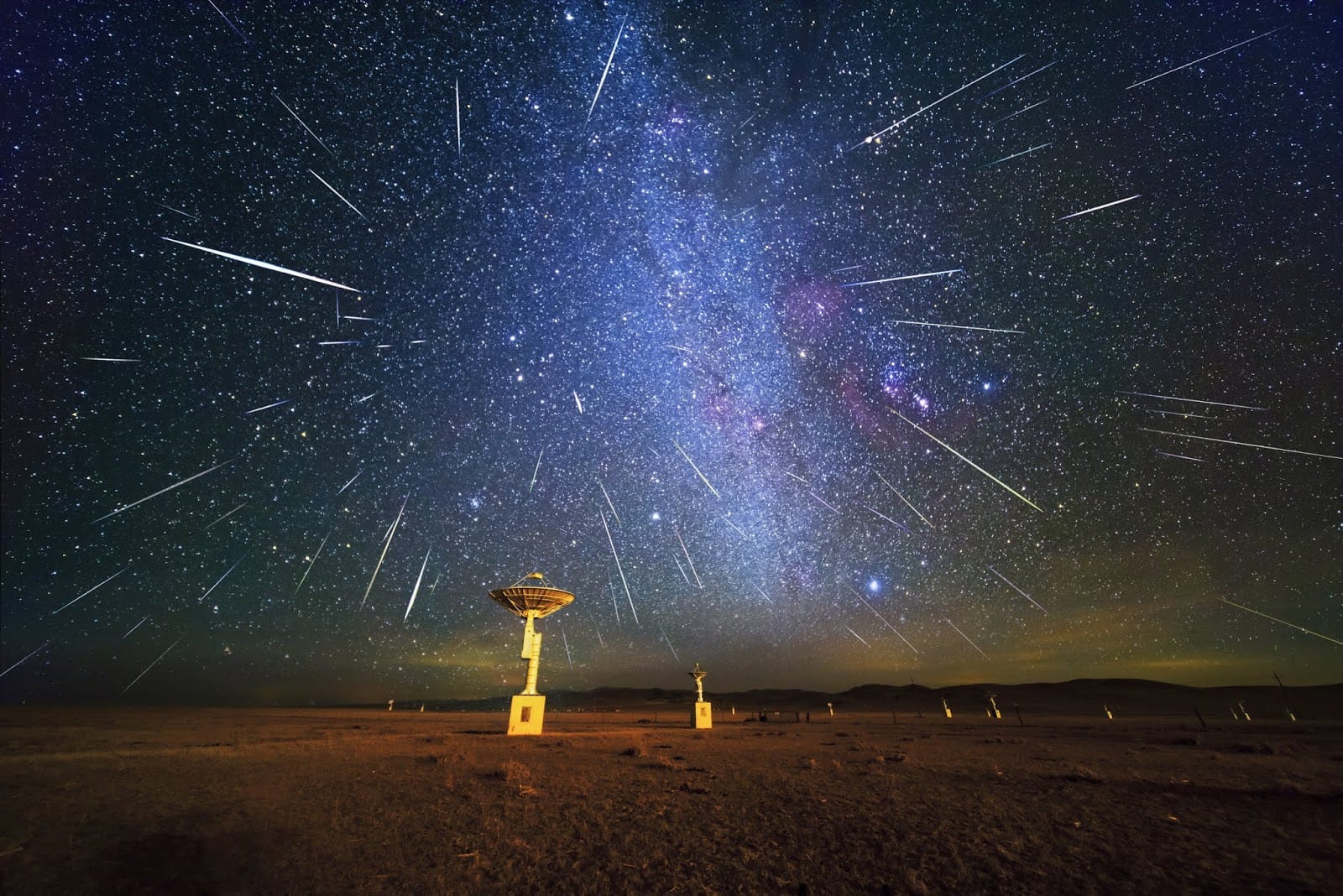
The year 2025 is poised to be a significant milestone in the realm of space exploration, with numerous high-profile missions on the horizon. As nations and private enterprises continue to invest in space technology and research, the anticipated missions of 2025 promise to expand our understanding of the universe and pave the way for future exploration. Among the most notable missions scheduled for this year are NASA’s Artemis II, the European Space Agency’s Jupiter Icy Moons Explorer (JUICE), and SpaceX’s ambitious plans for Mars.
NASA’s Artemis II mission marks a critical step in the Artemis program, which aims to return humans to the Moon for the first time since the Apollo missions. Scheduled for launch in late 2025, Artemis II will carry astronauts on a lunar flyby, testing the capabilities of the Orion spacecraft and the Space Launch System (SLS). This mission is essential not only for its immediate objectives but also for laying the groundwork for future lunar landings and establishing a sustainable human presence on the Moon. The Artemis program is a cornerstone of NASA’s broader goals, which include preparing for eventual crewed missions to Mars.
In addition to NASA’s efforts, the European Space Agency (ESA) is preparing to launch the Jupiter Icy Moons Explorer (JUICE) in April 2025. JUICE is designed to study three of Jupiter’s largest moons: Ganymede, Callisto, and Europa. These moons are of particular interest to scientists because they are believed to harbor subsurface oceans that could potentially support life. The mission will involve a detailed exploration of the moons’ ice-covered surfaces and their geological and atmospheric conditions. JUICE is expected to provide valuable insights into the potential habitability of these celestial bodies and advance our understanding of the formation of the solar system.
Another significant mission to watch in 2025 is SpaceX’s Starship program, which aims to establish a human presence on Mars. The company plans to conduct several test flights of its Starship spacecraft, focusing on refining its capabilities for interplanetary travel. While the exact timeline for crewed missions to Mars remains uncertain, SpaceX’s ongoing development and testing of Starship are critical components of its long-term vision to make life multi-planetary. The success of these missions could revolutionize space travel and open new frontiers for human exploration.
In addition to these prominent missions, several other initiatives are also slated for 2025. The Indian Space Research Organisation (ISRO) plans to launch its Gaganyaan mission, which aims to send Indian astronauts into space for the first time. This mission represents a significant achievement for India’s space program and reflects the country’s growing capabilities in human spaceflight. Furthermore, China is expected to continue its ambitious lunar exploration program, with plans for further robotic missions to the Moon as part of its long-term goals for lunar research and potential human landings.
The anticipated missions of 2025 reflect a broader trend in global space exploration, characterized by increased collaboration between nations and the private sector. As more countries develop their space programs, the potential for international partnerships grows. Collaborative missions can enhance scientific research, reduce costs, and foster a spirit of cooperation in the pursuit of knowledge about the universe.
Moreover, advancements in technology are playing a crucial role in shaping the future of space exploration. Innovations in propulsion systems, spacecraft design, and communication technologies are enabling more ambitious missions than ever before. These advancements not only enhance the safety and efficiency of space travel but also expand the range of scientific inquiries that can be pursued.
As we look ahead to 2025, the excitement surrounding these missions underscores the importance of continued investment in space exploration. The knowledge gained from these endeavors has the potential to benefit humanity in various ways, from advancing our understanding of fundamental scientific principles to inspiring future generations of scientists and engineers. The missions planned for 2025 are a testament to human ingenuity and our relentless quest to explore the unknown.
In conclusion, the year 2025 is shaping up to be a pivotal moment in the history of space exploration. With missions from NASA, ESA, SpaceX, and other space agencies on the docket, the global community is poised to make significant strides in our understanding of the cosmos. These missions not only represent technological and scientific advancements but also reflect a collective commitment to exploring the final frontier. As we prepare for these exciting developments, the world watches with anticipation for what lies ahead in the vast expanse of space.