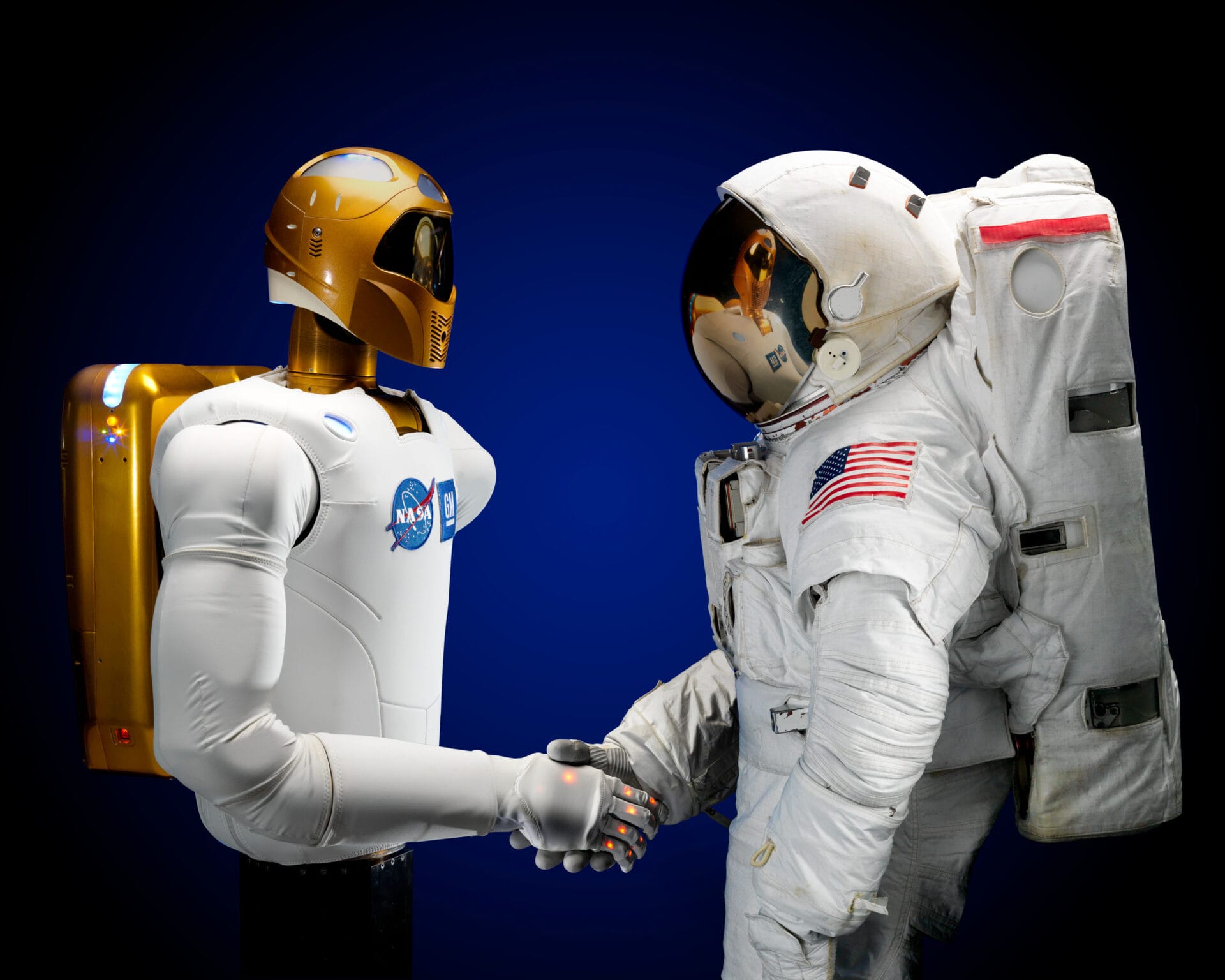
The exploration of space has always been a testament to human ingenuity and determination. As we venture further into the cosmos, the question arises: could robots truly replace human astronauts in future missions? This inquiry is not merely speculative; it reflects the current trajectory of technological advancements and the realities of space exploration.
Robotic technology has made significant strides in recent years, with robots performing tasks that were once thought to require human intuition and adaptability. From the Mars rovers, which have provided invaluable data about the Martian surface, to autonomous drones exploring the atmospheres of distant planets, robots are proving to be indispensable tools in the quest for knowledge beyond our planet. These machines can endure harsh environments, operate for extended periods without the need for rest, and execute precise tasks with a level of accuracy that often surpasses human capabilities.
One of the most compelling arguments for the use of robots in space exploration is their ability to function in environments that are hazardous to humans. Space is fraught with dangers, including extreme temperatures, radiation, and microgravity, which can have detrimental effects on the human body. Robots, on the other hand, can be designed to withstand these conditions, allowing them to carry out missions that would be too risky for astronauts. For example, the European Space Agency’s Rosetta mission successfully sent a robotic lander, Philae, to the surface of a comet, demonstrating the feasibility of robotic exploration in extreme environments.
Moreover, robots can be deployed in scenarios where human presence is not feasible. The concept of telepresence robots, which can be controlled remotely by humans, is gaining traction. These robots can perform tasks on distant celestial bodies while allowing human operators to remain safely on Earth or in orbit. This capability could significantly reduce the risks associated with human space travel while still enabling scientific exploration.
However, despite the advancements in robotics, there are inherent limitations that must be acknowledged. While robots excel in performing repetitive and predefined tasks, they currently lack the ability to make complex decisions in unpredictable situations. Human astronauts bring a level of creativity, problem-solving skills, and emotional intelligence that robots cannot replicate. In the event of an unforeseen circumstance, such as a malfunction or an unexpected environmental change, human intuition and adaptability may be crucial for mission success.
Additionally, the psychological aspect of space exploration cannot be overlooked. Human beings possess the ability to experience emotions, forge relationships, and inspire one another. The presence of astronauts can foster teamwork and collaboration, which are essential components of any successful mission. This social dynamic may be difficult to replicate with robotic crews, as they cannot provide the same level of support and camaraderie that human astronauts offer.
The future of space exploration may very well involve a hybrid approach, where robots and humans work in tandem. This collaboration could maximize the strengths of both entities, allowing for more efficient and effective missions. For instance, robots could be utilized for initial reconnaissance and data collection, while human astronauts could be deployed for more complex tasks that require critical thinking and adaptability. This model could also help mitigate the risks associated with long-duration space missions, as robots could handle routine tasks, allowing astronauts to focus on scientific research and exploration.
The implications of relying on robots for space exploration extend beyond the immediate benefits of safety and efficiency. As we consider missions to Mars and beyond, the cost of human space travel becomes a significant factor. Sending humans into space requires extensive resources, including life support systems, food, and medical care. Robots, by contrast, can be designed for specific missions with minimal ongoing support, potentially reducing the overall cost of exploration.
Furthermore, the development of robotic technology for space exploration may have broader applications on Earth. The innovations and advancements made in robotics can lead to improvements in various fields, including healthcare, manufacturing, and disaster response. As we push the boundaries of what robots can achieve in space, we may inadvertently drive progress in other sectors, benefiting society as a whole.
In conclusion, the question of whether robots can replace human astronauts in future space exploration is complex and multifaceted. While robots offer numerous advantages, including the ability to withstand harsh environments and perform repetitive tasks, they currently lack the adaptability, creativity, and emotional intelligence that human astronauts provide. The future may lie in a collaborative approach, where robots and humans complement each other’s strengths, paving the way for a new era of exploration beyond Earth. As technology continues to evolve, the role of robotics in space exploration will undoubtedly expand, shaping the future of how we understand and explore the universe.
