The Quadrantid meteor shower is one of the most anticipated astronomical events of the year, particularly for amateur astronomers and stargazers alike. Occurring annually in early January, the Quadrantids are known for their brief yet intense display, often producing a high number of meteors per hour during their peak. As we approach 2025, many enthusiasts are eager to learn more about this event, including its origins, peak viewing times, and best practices for observation.
The Quadrantids originate from the debris left behind by the asteroid 2003 EH1, which is believed to be a fragment of a comet. This particular meteor shower is unique because it is associated with an asteroid rather than a comet, which is the case for most other meteor showers. The Quadrantids are named after the now-obsolete constellation Quadrans Muralis, which was located between the constellations of Bootes and Draco. Although the constellation is no longer recognized, the name has persisted in popular use.
In 2025, the Quadrantid meteor shower is expected to peak on the night of January 3 into the early hours of January 4. During this time, observers can expect to see anywhere from 60 to 120 meteors per hour under optimal conditions. However, the Quadrantids are known for their short peak duration, typically lasting only a few hours. This means that timing is crucial for anyone hoping to catch a glimpse of the meteors.
To maximize the chances of witnessing the Quadrantids, it is advisable to find a location away from city lights, where light pollution is minimal. Dark skies will allow for better visibility of the meteors, which can be quite bright and may leave lingering trails in the sky. The best viewing conditions are usually found in rural areas or designated dark sky parks. Additionally, it is important to give one’s eyes time to adjust to the darkness, which can take about 20 to 30 minutes. This adjustment period will enhance the ability to see faint meteors as well.
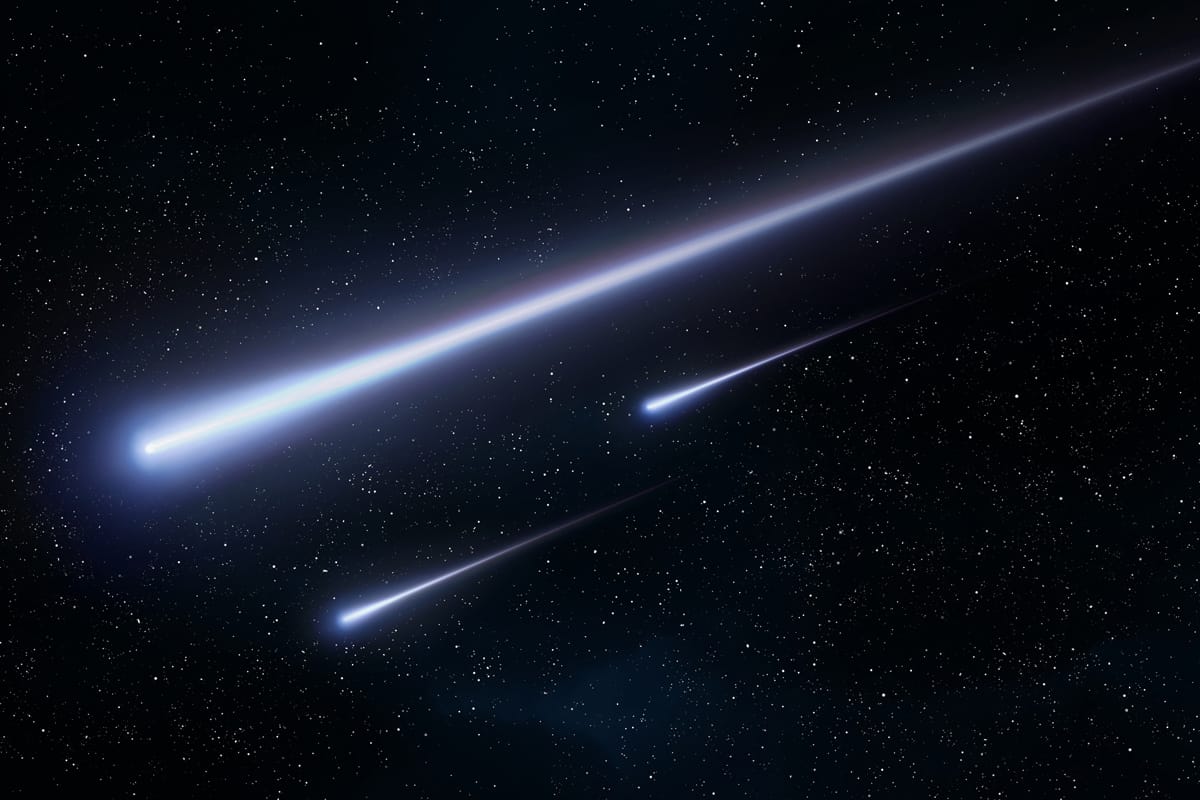
The Quadrantids are particularly notable for their bright fireballs, which are larger and more luminous than typical meteors. These fireballs can be seen even in areas with some light pollution, making them a highlight of the shower. Observers should position themselves in a comfortable spot with a clear view of the sky. Lying back on a blanket or reclining chair can provide a more enjoyable experience, allowing for the observation of meteors as they streak across the sky.
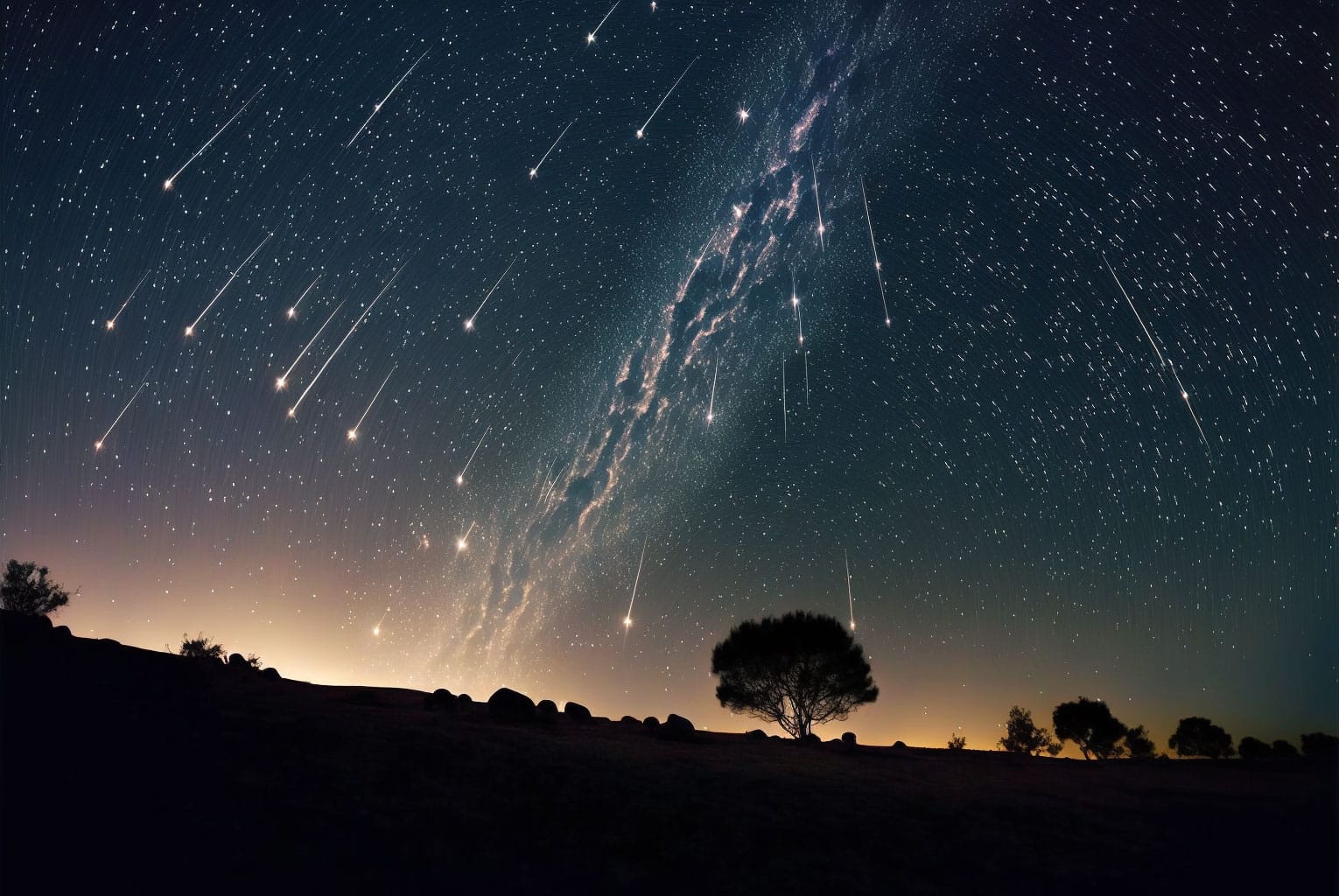
The meteor shower is also an excellent opportunity for astrophotographers looking to capture the beauty of the night sky. Long-exposure photography techniques can be employed to record the meteors, resulting in stunning images that showcase the trails left behind. It is recommended to use a wide-angle lens and to set the camera on a sturdy tripod to minimize vibrations and ensure sharp images.
In addition to the Quadrantids, January is an exciting month for astronomy enthusiasts. The month is characterized by several other celestial events, including the potential for viewing the planets in alignment and the possibility of witnessing the first full moon of the year. This combination of events makes January a particularly rewarding time for those who enjoy observing the night sky.
For those who may not have the opportunity to observe the Quadrantids in person, many astronomy organizations and observatories often provide live streams of the event. This allows individuals from around the world to experience the meteor shower from the comfort of their homes. These broadcasts can include expert commentary and live updates on the meteor activity, making it an engaging experience for viewers.
As we look forward to the Quadrantid meteor shower in 2025, it serves as a reminder of the beauty and wonder of the universe. The anticipation of witnessing these celestial events brings together communities of stargazers, fostering a shared appreciation for the night sky. Whether one is an experienced astronomer or a casual observer, the Quadrantids offer a unique opportunity to connect with the cosmos and witness the fleeting beauty of meteors.
In conclusion, the Quadrantid meteor shower is set to be a spectacular event in early January 2025. With its origins tied to an asteroid and the promise of bright meteors, it is an occasion that should not be missed. By preparing in advance and choosing the right location, observers can enhance their experience and enjoy the magic of this astronomical phenomenon.