The relationship between Neanderthals and early modern humans has long fascinated researchers and the general public alike. These two distinct species shared the Earth for thousands of years, and new findings suggest that Neanderthals may have played a crucial role in the survival of early Homo sapiens. This article delves into the various aspects of this relationship, including archaeological discoveries, genetic evidence, and the broader implications for our understanding of human evolution.
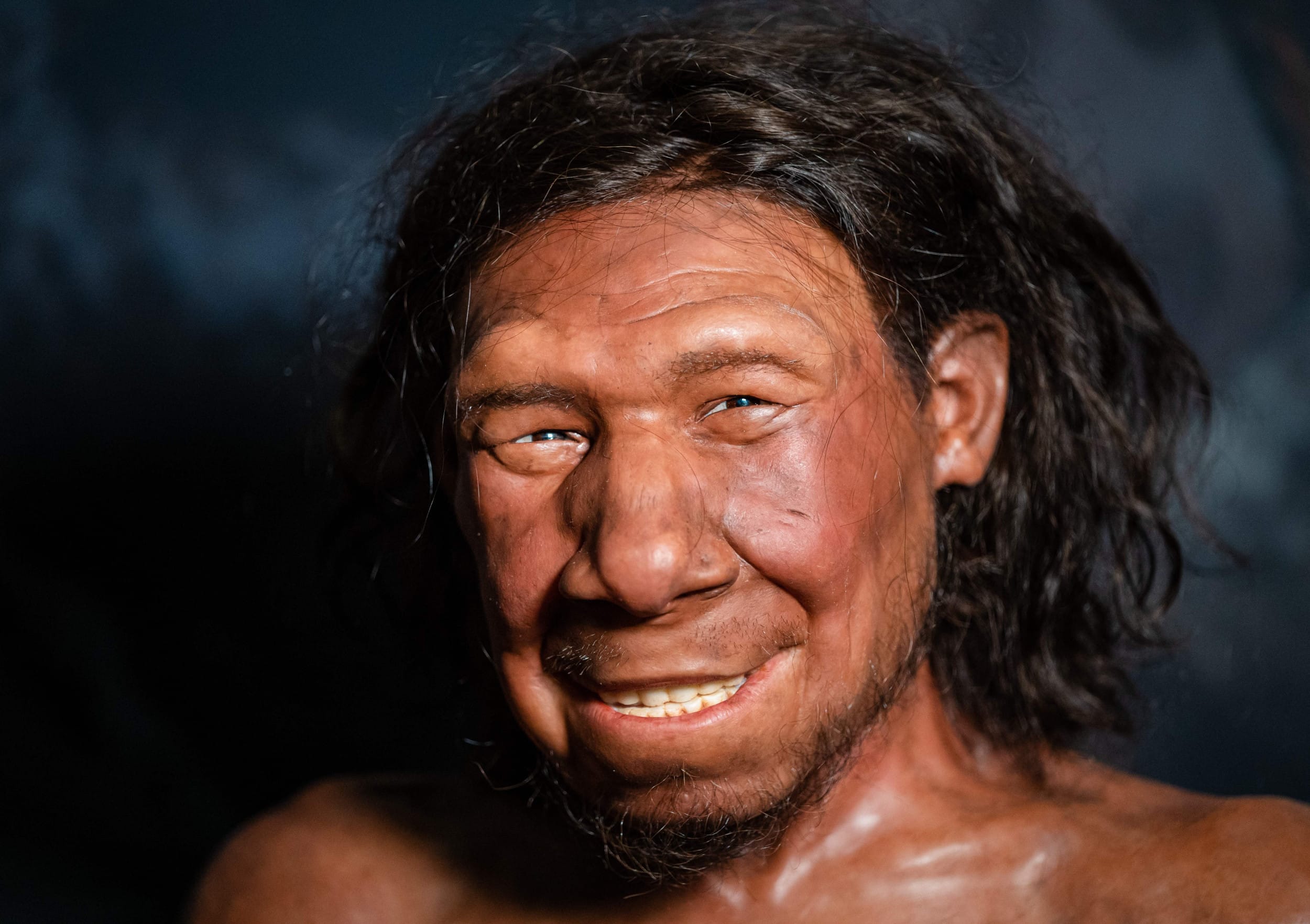
Neanderthals, or Homo neanderthalensis, were a species of archaic humans that lived in Europe and parts of Asia from around 400,000 to 40,000 years ago. They are known for their robust physical build and distinctive skull features, which included a pronounced brow ridge and a larger brain size compared to modern humans. Despite their similarities to Homo sapiens, Neanderthals are often depicted as primitive and less sophisticated. However, this perception has been challenged by numerous studies revealing their advanced tool-making skills, social structures, and even cultural practices.
The timeline of Neanderthal existence overlaps significantly with that of anatomically modern humans, or Homo sapiens, who appeared in Africa approximately 300,000 years ago. As early humans began migrating out of Africa, they encountered Neanderthal populations in Europe and Asia. This overlap raises questions about how these two species interacted and what impact Neanderthals may have had on the survival and adaptation of early humans in challenging environments.
One of the most compelling pieces of evidence supporting the idea that Neanderthals contributed to the survival of early humans comes from genetic studies. Research has shown that non-African modern human populations carry between 1% to 2% of Neanderthal DNA in their genomes. This genetic legacy suggests interbreeding between the two species, which could have conferred advantages to early humans. For instance, certain Neanderthal genes are associated with adaptations to cold climates, immune responses, and even skin pigmentation. These genetic contributions may have provided early humans with the necessary tools to thrive in diverse and harsh environments.
Archaeological evidence further supports the notion of interaction between Neanderthals and early humans. Sites across Europe and Asia have revealed tools and artifacts that exhibit a blend of cultural traits from both species. For example, the use of specific stone tools, such as the Levallois technique, has been observed in both Neanderthal and early modern human contexts. This indicates a possible transfer of knowledge and technology, suggesting that early humans may have learned from Neanderthals or vice versa.
Additionally, recent discoveries of cave art and symbolic objects attributed to Neanderthals challenge the stereotype of them as culturally inferior. Artifacts such as carved bones and pigments indicate that Neanderthals engaged in creative expression, which may have influenced early humans. The ability to create and appreciate art is often considered a hallmark of advanced cognition and social organization. This shared cultural milieu could have fostered collaboration and interaction between the two groups, ultimately benefiting their survival.
Moreover, the social structures of Neanderthal communities may have offered insights into cooperative living and resource sharing. Evidence suggests that Neanderthals lived in small groups and engaged in communal activities, such as hunting and gathering. This social cohesion would have been advantageous in navigating the challenges of their environment. Early humans, who may have been more isolated, could have learned the value of cooperation from their Neanderthal counterparts, leading to improved strategies for survival.
The role of climate change during the period of interaction between Neanderthals and early humans cannot be overlooked. As the last Ice Age progressed, the environments in which both species lived became increasingly harsh. The ability to adapt to changing conditions was crucial for survival. Neanderthals, with their established strategies for coping with cold climates, may have provided early humans with essential knowledge about sourcing food, building shelters, and navigating the landscape.
The extinction of Neanderthals approximately 40,000 years ago remains a topic of significant debate. Several theories have been proposed to explain their disappearance, including competition with modern humans, changes in climate, and the spread of diseases. Some researchers argue that the absorption of Neanderthal traits into the gene pool of early modern humans may have contributed to their eventual dominance. The advantages conferred by Neanderthal genes, combined with the cognitive and social skills of Homo sapiens, could have created a more resilient population capable of withstanding environmental pressures.
In understanding the survival of early humans, it is essential to recognize the complexity of the relationships between species. The interactions between Neanderthals and early modern humans were not merely competitive; they involved collaboration, cultural exchange, and shared knowledge. This nuanced understanding highlights the importance of cooperation in the evolutionary narrative and challenges the notion of a straightforward “us versus them” dynamic.
The implications of these findings extend beyond the past; they prompt us to reconsider how we define what it means to be human. The blending of genes and cultures suggests that human evolution is not a linear progression but rather a web of interactions among various hominin groups. This perspective encourages a more inclusive view of our evolutionary history, one that acknowledges the contributions of multiple lineages.
In conclusion, the evidence points to the crucial role that Neanderthals may have played in the survival of early modern humans. Through genetic interbreeding, cultural exchange, and shared survival strategies, Neanderthals likely contributed to the resilience of Homo sapiens in a challenging world. The legacy of this complex relationship serves as a reminder of the interconnectedness of our species and the importance of cooperation in the face of adversity. Future research will undoubtedly continue to shed light on this fascinating chapter of human history, further illuminating the intricate tapestry of our evolution.