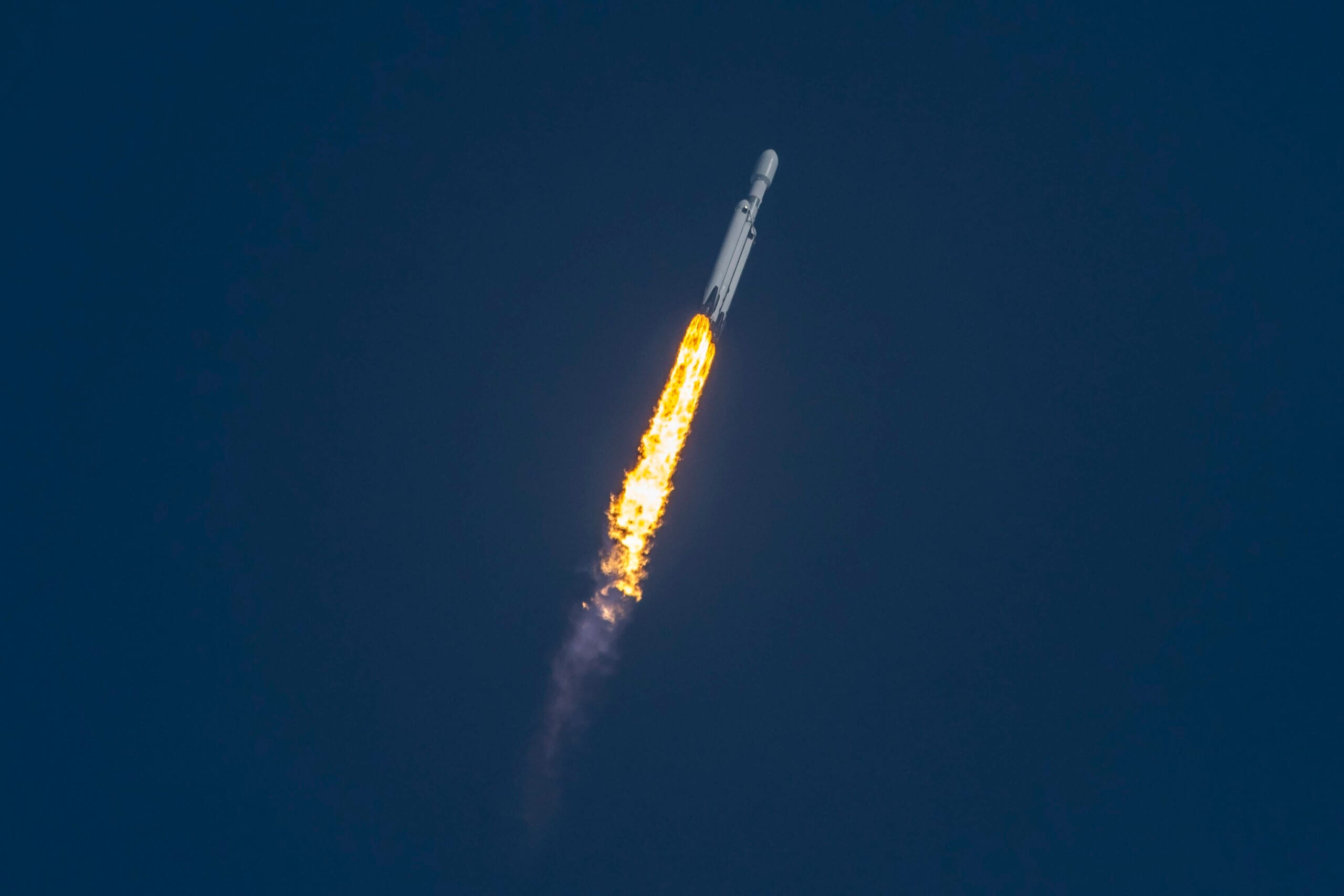
Vega C, the latest iteration of Europe’s Vega rocket, has made a successful return to flight, reaffirming its position as a key player in the global space industry. The launch, which occurred at the Guiana Space Centre in French Guiana, saw the Vega C rocket delivering a cluster of small satellites into orbit with precision and efficiency.
The return to flight mission of Vega C comes after a period of hiatus following an anomaly during a previous launch. Engineers and technicians worked diligently to address the issues and implement necessary improvements to ensure the rocket’s safe return to service. The successful completion of this mission is a testament to their expertise and dedication.
The upgraded Vega C rocket boasts enhanced performance capabilities, increased payload capacity, and improved reliability compared to its predecessors. These improvements have been designed to meet the evolving demands of the space industry and support a wide range of missions, including the deployment of small satellites for various applications.
The launch of Vega C not only demonstrates Europe’s technological prowess in the field of space exploration but also highlights the collaborative efforts of international partners involved in the project. The European Space Agency (ESA) and Arianespace, the launch service provider, have worked closely together to ensure the success of this mission and pave the way for future endeavors.
As the space industry continues to evolve and expand, the successful return to flight of Vega C signals a promising future for European space exploration. With its advanced capabilities and proven track record, Vega C is poised to play a vital role in supporting a wide range of missions, from scientific research to commercial activities in space.