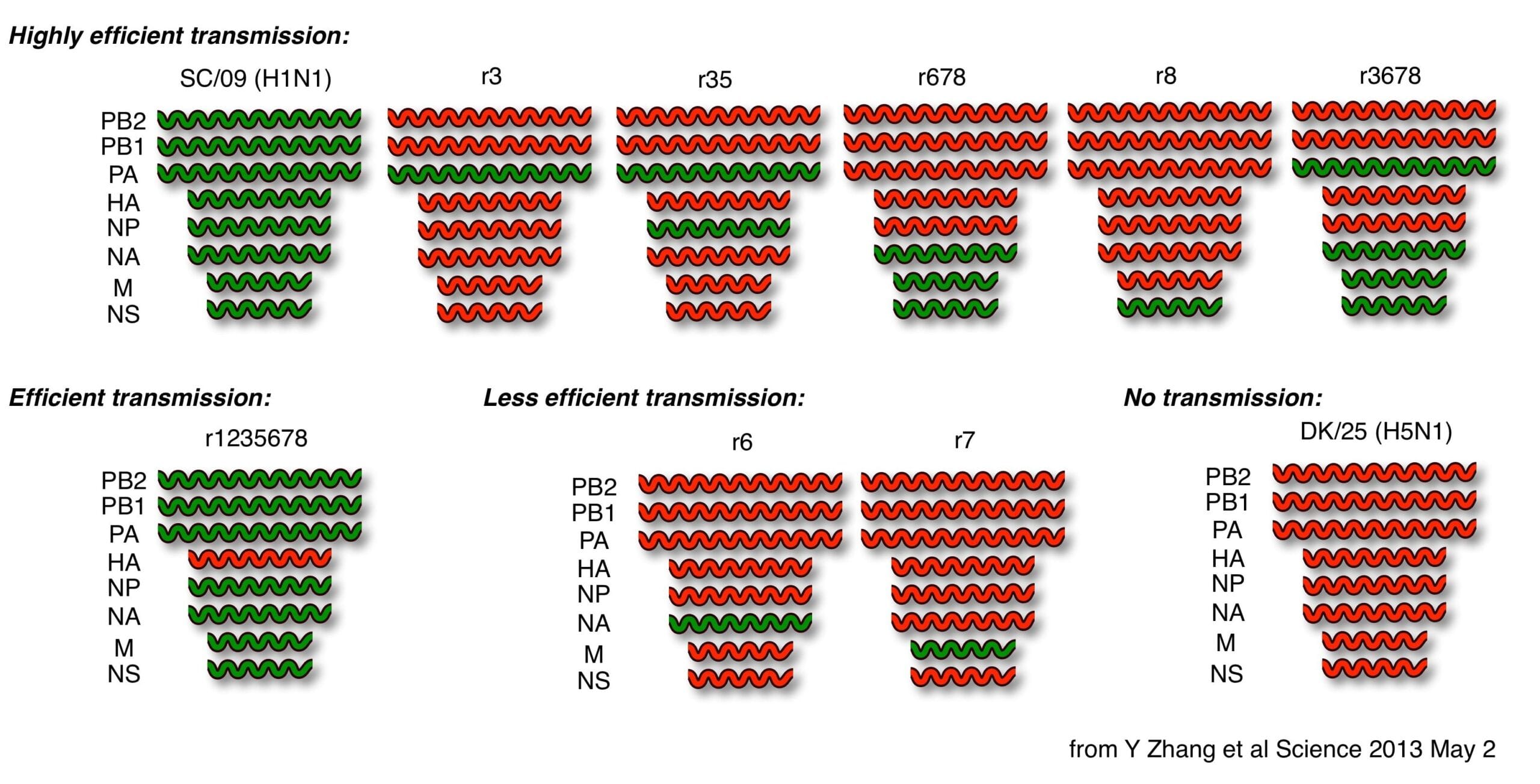
The H5N1 influenza virus, commonly known as bird flu, has been a concern for public health officials for many years due to its potential to cause widespread illness and death in humans. While the virus is typically transmitted between birds, there have been instances of human infection, often resulting in severe illness and high mortality rates.
A recent study published in the journal Nature has shed new light on the potential for H5N1 to infect humans. Researchers from the University of Wisconsin-Madison and the University of Tokyo have identified a single mutation in the surface protein of the virus that could enable easier human infection.
The study focused on the hemagglutinin (HA) protein, which is responsible for binding to host cells and facilitating viral entry. The researchers used a combination of structural biology and functional assays to examine the effects of specific mutations on the HA protein’s ability to bind to human cells.
The results showed that a single mutation, known as N224K, significantly increased the HA protein’s affinity for human cells. This mutation, which involves a change from asparagine to lysine at position 224 of the HA protein, was found to enhance the virus’s ability to bind to human tracheal epithelial cells.
The researchers also found that the N224K mutation increased the virus’s ability to replicate in human cells and to transmit between cells. This suggests that the mutation could potentially enable the virus to spread more easily among humans.
The study’s lead author, Dr. Yoshihiro Kawaoka, emphasized the importance of continued monitoring of the H5N1 virus. “Our findings highlight the need for ongoing surveillance of the H5N1 virus, particularly in areas where the virus is prevalent in birds,” he said.
The World Health Organization (WHO) has reported over 860 cases of human H5N1 infection worldwide since 2003, resulting in more than 450 deaths. The majority of these cases have occurred in Asia and Africa, where the virus is commonly found in birds.
While the N224K mutation has not been detected in any human H5N1 cases to date, the study’s findings suggest that it could potentially emerge in the future. This highlights the need for continued research into the H5N1 virus and the development of effective countermeasures, such as vaccines and antiviral medications.
In addition to the N224K mutation, the study also identified several other mutations that could potentially enhance the virus’s ability to infect humans. These findings suggest that the H5N1 virus is capable of evolving to become more transmissible among humans, emphasizing the need for ongoing vigilance.
The study’s results have significant implications for public health policy, particularly in regions where the H5N1 virus is prevalent. The WHO and other global health organizations will need to carefully consider the findings of this study when developing strategies to prevent and respond to potential H5N1 outbreaks.
In conclusion, the discovery of the N224K mutation in the H5N1 influenza surface protein highlights the need for continued monitoring of the virus and the development of effective countermeasures. The study’s findings emphasize the importance of ongoing research into the H5N1 virus and the need for public health officials to remain vigilant in the face of emerging infectious diseases.