The Quadrantid meteor shower, one of the most anticipated astronomical events of the year, is set to illuminate the night sky with its dazzling fireball shooting stars. This meteor shower is notable for its vibrant and bright meteors, which can often be seen streaking across the sky at impressive speeds. The Quadrantids typically peak in early January, and this year promises to be no exception, with optimal conditions for viewing expected in various regions, including New York City.
The Quadrantid meteor shower originates from the asteroid 2003 EH1, which is believed to be a fragment of a comet. As the Earth passes through the debris left behind by this asteroid, meteors enter the atmosphere at speeds of approximately 25 miles per second. This rapid entry results in the bright trails that observers see as shooting stars. The Quadrantids are unique among meteor showers due to their potential for producing fireballs, which are exceptionally bright meteors that can outshine the planets and even the moon.
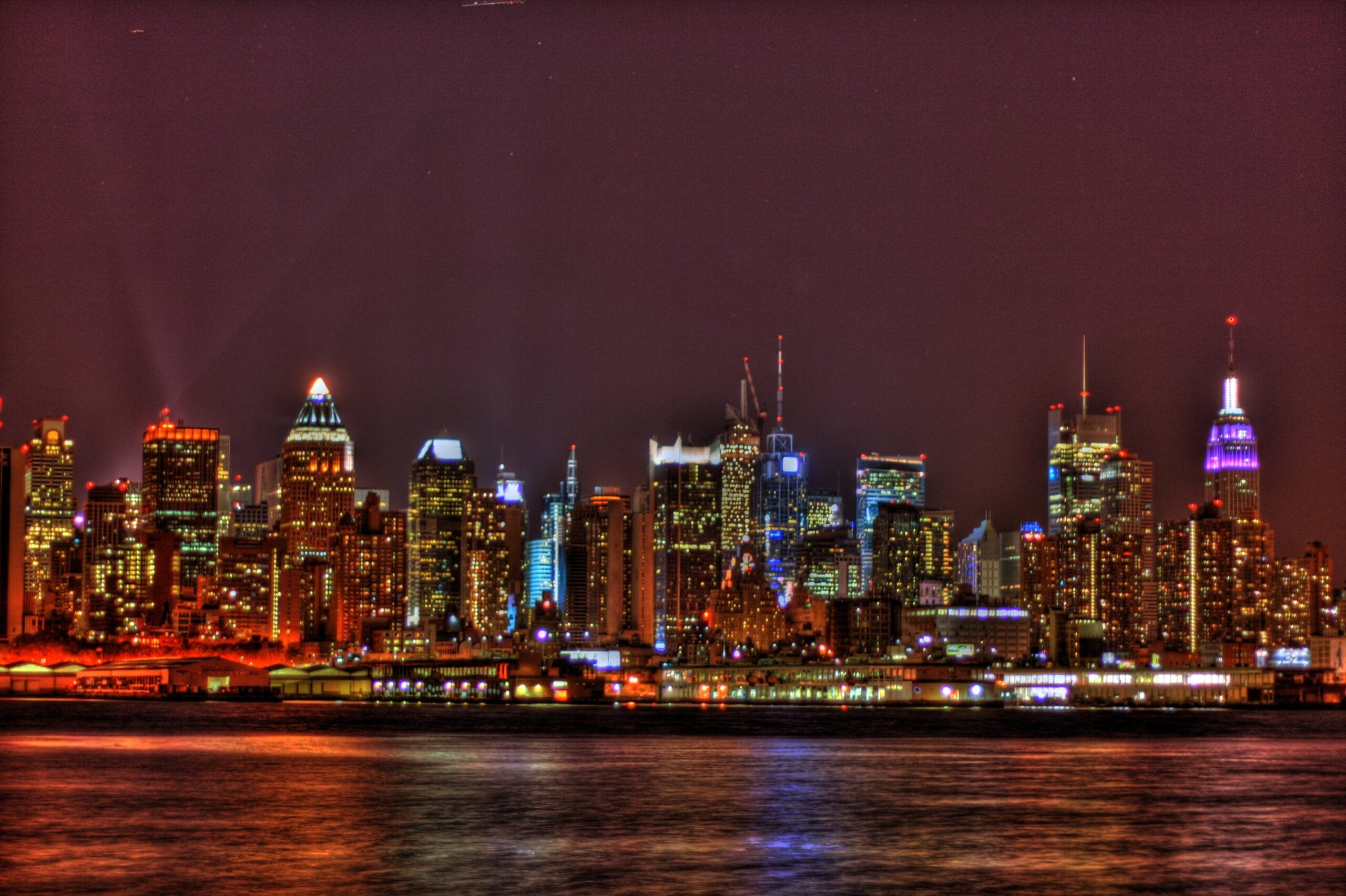
For New Yorkers, this meteor shower presents an exciting opportunity to witness a spectacular celestial event. Typically, the best time to view the Quadrantids is during the pre-dawn hours, when the sky is darkest and the number of visible meteors can reach up to 120 per hour under ideal conditions. This year, forecasts suggest that the weather in New York may cooperate, providing clear skies and minimal light pollution, which are essential for optimal viewing.
Astronomers recommend finding a location away from city lights to enhance the viewing experience. Parks and open spaces in and around New York City, such as Central Park or the Brooklyn Bridge Park, can serve as excellent vantage points. Observers should lie back on a blanket and allow their eyes to adjust to the darkness, which typically takes about 20 minutes. This adjustment period is crucial for spotting the faintest meteors.
In addition to the Quadrantids, this meteor shower is also a reminder of the broader patterns of meteor activity throughout the year. While the Quadrantids are often overshadowed by more popular meteor showers like the Perseids in August and the Geminids in December, they are unique in their own right. The Quadrantids are known for their brief peak, which lasts only a few hours, making timing essential for those wishing to catch a glimpse of this celestial phenomenon.
As the meteor shower approaches its peak, astronomers and enthusiasts alike are gearing up for the event. Many local astronomy clubs and observatories are planning viewing parties and events to celebrate the occasion, offering guided stargazing experiences for the public. These gatherings not only provide an opportunity to witness the meteor shower but also to learn more about the science behind meteors and the universe.
For those unable to view the Quadrantids in person, various online platforms will offer live streams of the event, allowing people from all over the world to experience the magic of the meteor shower virtually. These streams often feature expert commentary, providing insights into the nature of meteors and the significance of such celestial events.
As the Quadrantid meteor shower approaches, it serves as a reminder of the beauty and wonder of the universe. Events like these inspire curiosity and a sense of connection to the cosmos, encouraging individuals to look up and appreciate the night sky. Whether one is an experienced astronomer or a casual observer, the Quadrantids offer a chance to witness the awe-inspiring spectacle of shooting stars, creating memories that will last a lifetime.
In conclusion, the Quadrantid meteor shower is poised to deliver a breathtaking display for stargazers, particularly for those in New York City. With favorable viewing conditions and a peak that promises to showcase bright fireballs, this astronomical event is not to be missed. As the night sky fills with shooting stars, it invites everyone to pause, look up, and marvel at the wonders of the universe.