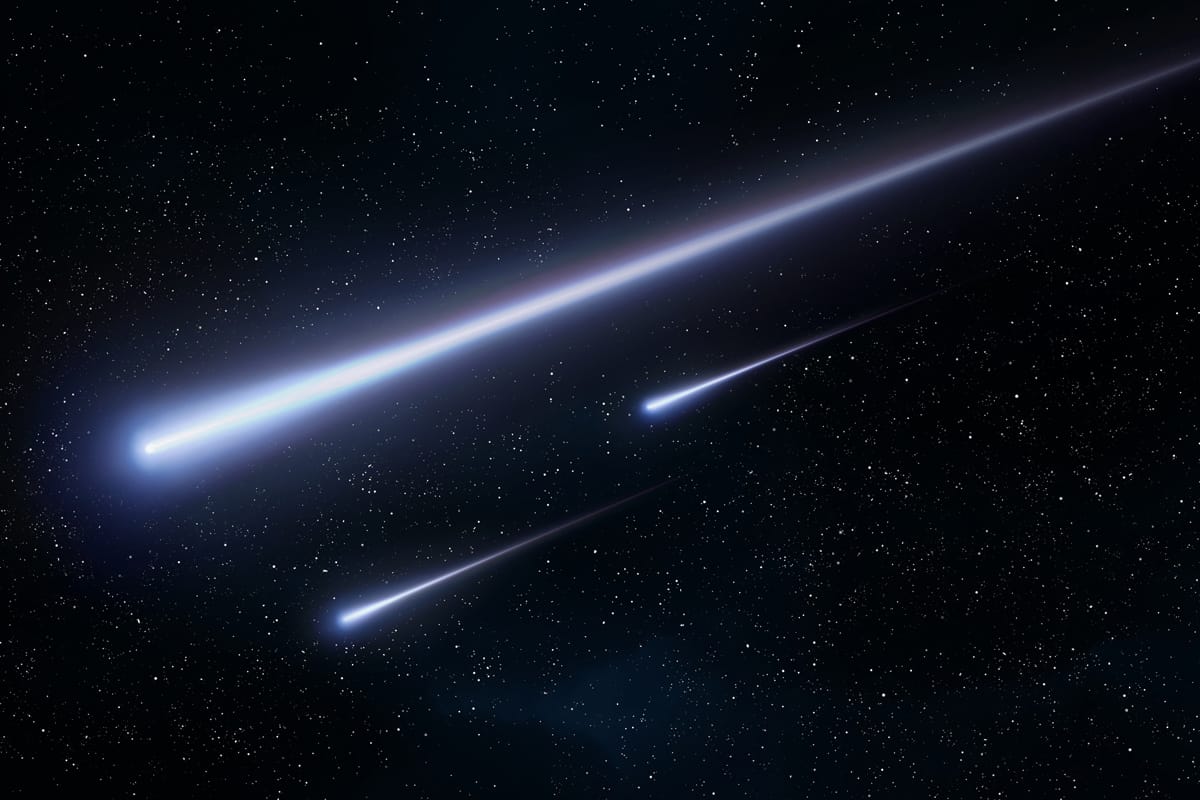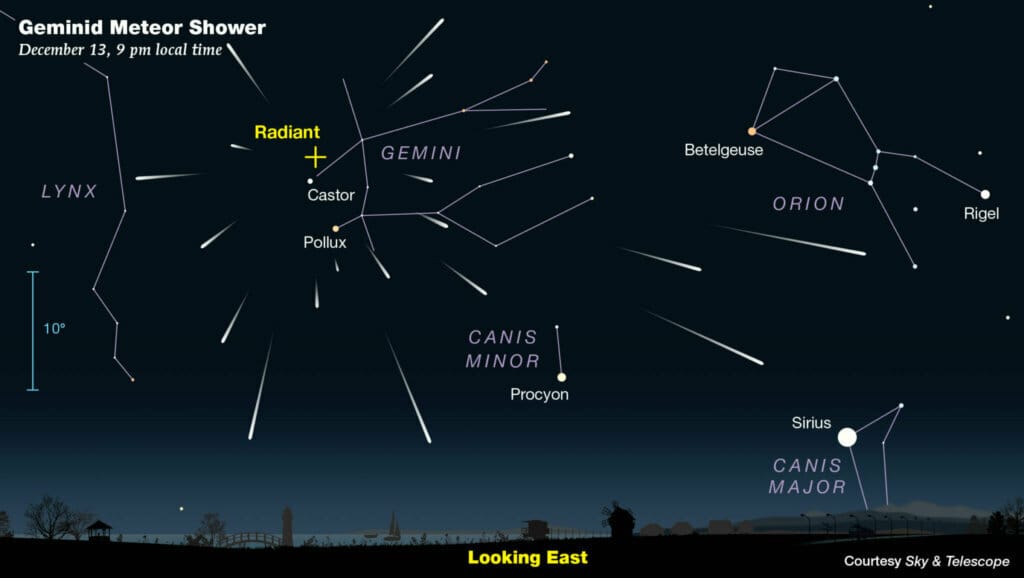
The Geminid meteor shower is one of the most anticipated astronomical events of the year, renowned for its prolific and vibrant meteors. Occurring annually in December, this meteor shower is associated with the asteroid 3200 Phaethon, which is considered a unique parent body for a meteor shower. Unlike most meteor showers, which originate from comets, the Geminids are produced by debris left behind by this asteroid as it travels through the solar system. The shower typically peaks around December 13th and 14th, with the best viewing conditions usually occurring after midnight.
This year, the Geminid meteor shower is expected to peak tonight, promising a spectacular show for those who venture out to observe it. Under ideal conditions, observers can expect to see up to 120 meteors per hour, making it one of the most active meteor showers of the year. The meteors are known for their bright colors and can appear in a variety of hues, including green, yellow, and red. This colorful display is a result of the different elements that make up the meteoroids as they burn up upon entering the Earth’s atmosphere.
For optimal viewing of the Geminid meteor shower, it is crucial to find a location that is as dark as possible. Light pollution from urban areas can significantly diminish the visibility of meteors. Therefore, individuals are encouraged to travel to rural areas or parks that offer a clear, unobstructed view of the sky. It is also advisable to lie back on a blanket or reclining chair and allow the eyes to adjust to the darkness for about 20 minutes, which can enhance the experience and increase the likelihood of spotting meteors.
In addition to choosing a suitable location, timing is also important. The best time to view the meteor shower is typically after midnight, when the radiant point of the shower, located in the constellation Gemini, is higher in the sky. However, meteors can be seen in all parts of the sky, so observers should keep their gaze wide and not fixate solely on the radiant point.
Weather conditions play a significant role in the visibility of the meteor shower. Clear skies are essential for optimal viewing, as clouds can obstruct the view of the meteors. As the date approaches, it is advisable to check local weather forecasts to ensure that conditions will be favorable for observation. If weather conditions are unfavorable in one area, it may be worth considering traveling to a nearby location with clearer skies.
The Geminid meteor shower is not only a visual spectacle but also an opportunity for educational experiences. Many astronomy enthusiasts take this time to learn more about the science behind meteor showers, the history of astronomical observations, and the significance of celestial events in various cultures. For families and groups, watching a meteor shower can be a bonding experience, fostering a sense of wonder and curiosity about the universe.
For those who may not be able to view the meteor shower in person, there are often live streams available online, hosted by various astronomical organizations and observatories. These streams can provide a valuable alternative for individuals who wish to witness the event from the comfort of their homes. Additionally, many social media platforms may feature posts and videos from observers, allowing for a shared experience despite geographical limitations.
In conclusion, the Geminid meteor shower is a remarkable event that captivates skywatchers each December. With its peak occurring tonight, individuals are encouraged to prepare for an evening of celestial observation. By selecting a dark location, timing their viewing appropriately, and checking weather conditions, observers can maximize their chances of experiencing the breathtaking display of meteors. Whether viewing in person or through live streams, the Geminid meteor shower offers a unique opportunity to connect with the cosmos and appreciate the beauty of our universe.