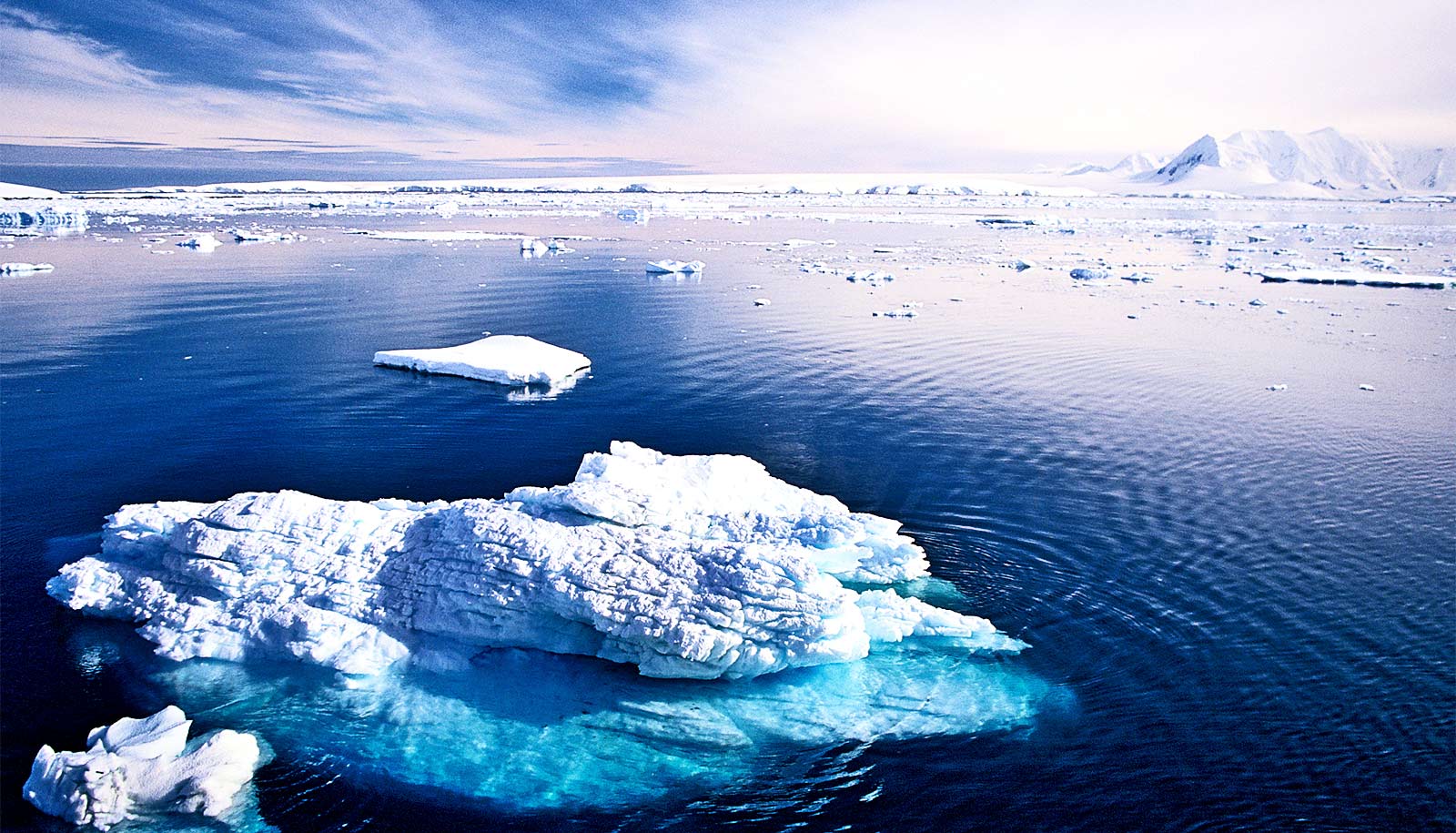
The existential threat posed by climate change has long been underlined by scientists, particularly in relation to the polar regions that serve as critical indicators of global environmental health. A recent analysis suggests that the targets outlined in the 2015 Paris Agreement may not be ambitious enough to safeguard polar ice sheets. This conclusion has raised alarms within the scientific community, as the preservation of these ice formations is crucial for maintaining global sea levels and averting widespread ecological disruptions.
The Paris Agreement, a pivotal international treaty aimed at combating climate change, seeks to limit global warming to well below 2 degrees Celsius above pre-industrial levels, with efforts to cap it at 1.5 degrees Celsius. While this framework was hailed as a significant step forward in international climate policy, researchers now caution that these goals are inadequate, particularly given the current trajectory of greenhouse gas emissions.
Studies conducted over the past few years have increasingly highlighted the vulnerability of polar ice sheets, particularly in Greenland and Antarctica. These regions are experiencing accelerated melting, a phenomenon driven by rising global temperatures. According to ice core samples and satellite data, Greenland’s ice sheet is losing mass at an alarming rate—approximately 280 billion tons per year, a figure that has doubled since the early 2000s. The West Antarctic Ice Sheet is similarly at risk, with calculations suggesting that it could contribute up to three meters of sea-level rise if the entire ice mass were to collapse.
One of the critical factors leading scientists to question the efficacy of the Paris Agreement is the Paris targets’ reliance on optimistic climate models. Many models assume that technologies, such as carbon capture and storage, will mature and be widely implemented in time to achieve the desired levels of greenhouse gas reductions. However, the pace at which these innovations are developed and deployed remains uncertain, raising concerns about their potential to mitigate the adverse effects impacting polar regions.
Recent reports from leading climate assessment panels emphasize that even if the 1.5-degree target could be met, this may still not be sufficient to halt ice sheet destabilization. The feedback loops associated with climate change—such as the albedo effect, where melting ice exposes darker ocean water that absorbs more heat—pose significant risks. This process can create a cycle of accelerated warming and further ice melt, exacerbating the situation beyond the control of current climate policies.
Experts argue that more aggressive actions are imperative to meet the challenges posed by ongoing environmental changes. This could encompass setting more stringent national targets for emissions reductions and fostering international cooperation beyond what was achieved in Paris. A holistic approach, integrating climate science, policy-making, and sustainability practices across all nations, is advocated as a necessity to effectively respond to the unfolding crisis affecting polar ecosystems.
In addition to the direct consequences on ice sheets, the implications of inadequate climate targets extend to global communities. The melting of the polar ice sheets is projected to elevate sea levels, threatening coastal cities and low-lying regions worldwide. As scientists project, sea levels could rise between one and two meters by the end of the century if current trends continue unmitigated. This potential crisis underscores the urgent need for comprehensive strategies that go beyond the timeline and framework established under the Paris Agreement.
Several scientists advocate for the implementation of immediate measures to slow or reverse the rate of ice melt, including increased funding for scientific research focused on climate intervention techniques. Initiatives aimed at restoring ecosystems capable of sequestering carbon, such as mangroves and peatlands, may also play a role in mitigating climate effects. Such strategies can provide additional avenues for reducing greenhouse gases and thereby curtailing the factors contributing to polar ice sheet melt.
In conclusion, while the Paris Agreement represented a significant collective commitment to combat climate change, the scientific community warns that current targets may not be sufficient to protect polar ice sheets. The continuing stress on these critical areas highlights the inadequacy of existing measures against an increasingly warming planet. As researchers continue to investigate the multifaceted dynamics of climate change, it is clear that transforming agreements into impactful actions will be essential not only to mitigate the immediate threat to polar ice but to secure a stable and sustainable future for global populations dependent on these ecosystems. It is imperative for nations worldwide to reassess their contributions to climate solutions to ensure that the targets set forth in international agreements can effectively address the considerable risks facing the polar regions.