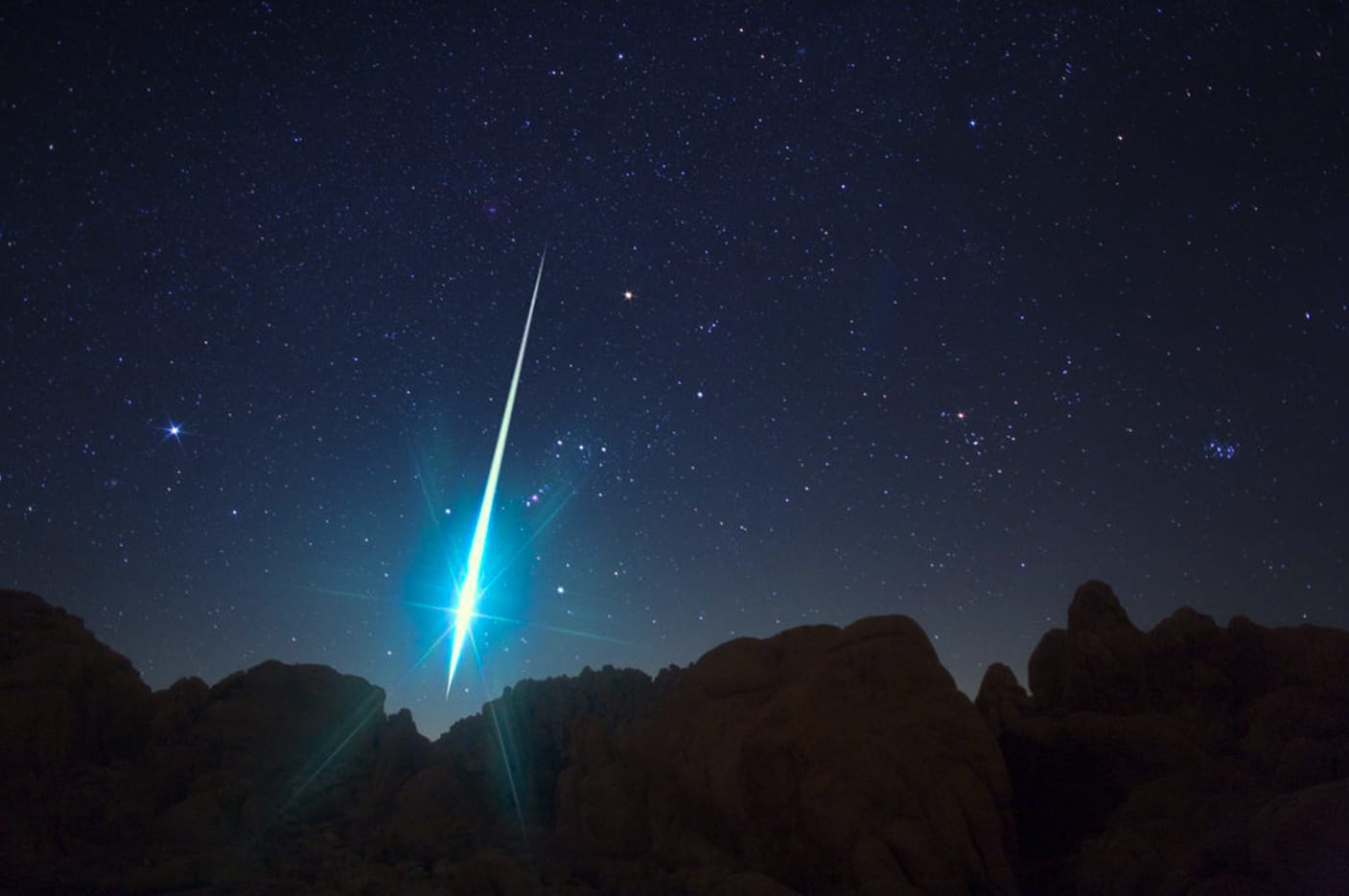
The Geminid meteor shower is one of the most anticipated astronomical events of the year, captivating both amateur and professional astronomers alike. Each December, this meteor shower peaks, providing a stunning display of shooting stars that are visible across the globe. The Geminids are particularly notable for their bright and colorful fireballs, which set them apart from other meteor showers. As the peak of the Geminids approaches, it is essential for enthusiasts to understand the best times and conditions for viewing this celestial spectacle.
The origins of the Geminid meteor shower can be traced back to the asteroid 3200 Phaethon, which is believed to be the source of the meteoroids that create the shower. Unlike most meteor showers that originate from comets, the Geminids are unique in that they stem from an asteroid. As Earth passes through the debris left behind by 3200 Phaethon, the meteoroids enter the Earth’s atmosphere at high speeds, resulting in the brilliant streaks of light that we observe as meteors. The Geminids are known for their high activity, with rates of up to 120 meteors per hour during the peak.
The best time to observe the Geminid meteor shower is typically between December 4 and December 17, with the peak usually occurring around December 13 to 14. During this time, the conditions for viewing can vary significantly depending on geographic location, weather conditions, and light pollution. For optimal viewing, it is recommended to find a dark area away from city lights, where the sky is clear and unobstructed. The meteors can be seen in all parts of the sky, but they appear to radiate from the constellation Gemini, which is where the shower gets its name.
To enhance the viewing experience, stargazers should consider several tips. First, it is advisable to allow the eyes to adjust to the darkness, which can take about 20 to 30 minutes. This adjustment period is crucial for spotting fainter meteors. Additionally, lying back on a blanket or reclining chair can provide a comfortable vantage point to observe the sky. It is also important to dress warmly, as December nights can be quite chilly in many regions.
Weather conditions play a significant role in the visibility of the meteor shower. Clear skies are ideal, while overcast conditions can hinder the ability to see the meteors. Therefore, checking local weather forecasts in the days leading up to the peak is essential for planning the best viewing experience. Furthermore, moonlight can also affect visibility; a bright moon can wash out fainter meteors, so choosing a night when the moon is less prominent can enhance the experience.
The Geminid meteor shower not only offers a visual treat but also serves as an opportunity for educational engagement. Schools, planetariums, and astronomy clubs often organize events around this time, inviting the public to learn more about meteors, asteroids, and the science of astronomy. These events can include guided viewing sessions, educational talks, and hands-on activities that encourage a deeper understanding of the cosmos.
As the Geminid meteor shower approaches its peak, it is a reminder of the wonders of the universe and the thrill of witnessing natural phenomena. Whether viewed from a backyard, a park, or a remote location, the experience of watching meteors streak across the night sky can be both exhilarating and humbling. It encourages a sense of connection to the universe and a greater appreciation for the natural world.
In conclusion, the Geminid meteor shower is a remarkable event that offers spectacular viewing opportunities for those interested in astronomy. With its origins tied to an asteroid and its unique characteristics, the Geminids stand out as one of the most impressive meteor showers of the year. By following the guidelines for optimal viewing and taking advantage of community events, individuals can fully immerse themselves in the experience of witnessing these celestial wonders. As December unfolds, stargazers everywhere prepare to look up and enjoy the beauty of the night sky.