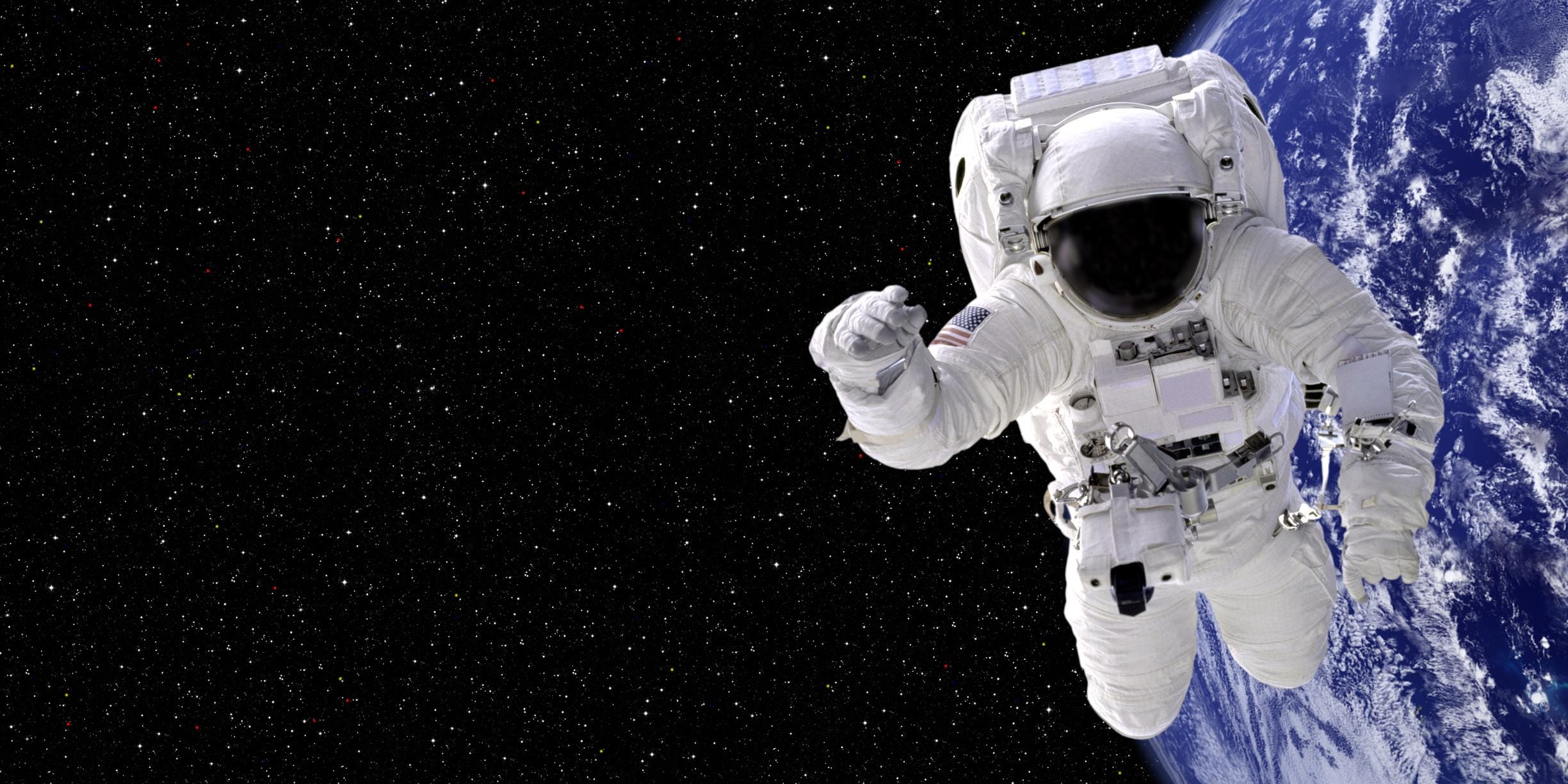
NASA has officially resumed spacewalks aboard the International Space Station (ISS) after a seven-month hiatus, a development that underscores the agency’s ongoing commitment to maintaining and enhancing the capabilities of the orbiting laboratory. The first spacewalk since February 2023 took place recently, with astronauts undertaking critical tasks that are essential for the continued operation of the ISS.
The pause in spacewalks was primarily due to safety concerns and the need for a comprehensive review of operational protocols. NASA’s decision to halt spacewalks was influenced by a series of incidents that raised questions about the safety of astronauts during extravehicular activities (EVAs). During this period, NASA focused on refining its safety measures and ensuring that all equipment used during spacewalks met the highest standards.
The recent spacewalk involved astronauts performing a variety of tasks, including the installation of new equipment and the maintenance of existing systems. These activities are vital for the ISS, which serves as a unique platform for scientific research and international collaboration in space. The ISS has been continuously inhabited since November 2000, and its maintenance is crucial for supporting ongoing experiments in fields such as biology, physics, and materials science.
NASA’s astronauts are trained extensively for spacewalks, which require a high level of physical fitness and technical skill. The recent spacewalk was conducted by a team of experienced astronauts who have previously participated in multiple EVAs. Their training and preparation were instrumental in ensuring the success of the mission and the safety of the crew.
The resumption of spacewalks is not only significant for NASA but also for the international community involved in the ISS program. The ISS is a collaborative effort involving space agencies from around the world, including Roscosmos (Russia), ESA (European Space Agency), JAXA (Japan), and CSA (Canadian Space Agency). The successful completion of spacewalks is essential for maintaining the collaborative spirit of the ISS program and for ensuring that all partners can continue to benefit from the research conducted aboard the station.
In addition to maintenance tasks, the resumption of spacewalks opens up new opportunities for scientific research. The ISS serves as a laboratory for experiments that cannot be conducted on Earth due to the effects of gravity. With the return of spacewalks, astronauts can now conduct experiments that require direct interaction with the station’s exterior, such as testing new materials and technologies that could be used in future space missions.
NASA has also emphasized the importance of public engagement and education in its spacewalk activities. The agency regularly shares live feeds and updates during spacewalks, allowing people around the world to witness the work being done in space. This transparency helps to inspire the next generation of scientists, engineers, and explorers, fostering interest in STEM (science, technology, engineering, and mathematics) fields.
Looking ahead, NASA plans to continue its schedule of spacewalks as part of its ongoing mission to maintain the ISS and support scientific research. The agency is also preparing for future missions beyond low Earth orbit, including the Artemis program, which aims to return humans to the Moon and eventually send astronauts to Mars. The experience gained from conducting spacewalks on the ISS will be invaluable for these future endeavors.
In conclusion, the resumption of spacewalks aboard the ISS marks a significant step forward for NASA and its international partners. After a thorough review of safety protocols and operational procedures, astronauts are once again able to conduct essential maintenance and research activities outside the station. This development not only enhances the functionality of the ISS but also paves the way for future scientific discoveries and exploration missions. As NASA continues to push the boundaries of human spaceflight, the successful execution of spacewalks will remain a critical component of its efforts.